
 Pin This
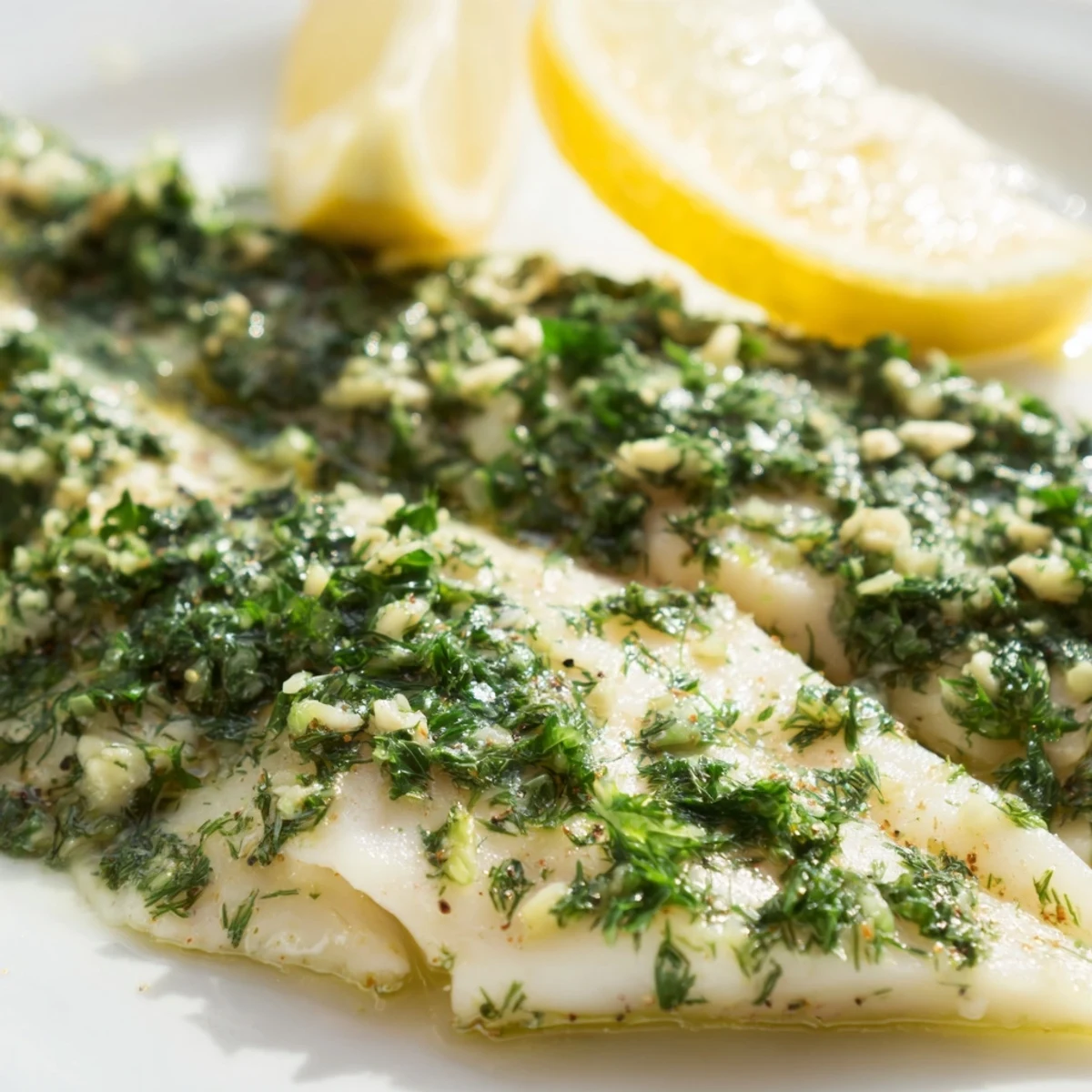
 This light and flavorful tilapia dish combines fresh parsley, dill, basil, garlic, and lemon zest, baked to tender perfection. Olive oil and lemon slices enhance the natural flavors while keeping it healthy and easy to prepare. Ready in just 30 minutes, it offers a tender, flaky texture perfect for a wholesome meal any night of the week. Pair with steamed vegetables or a crisp salad for a balanced plate.
There's something almost meditative about watching tilapia fillets transform in a hot oven, their delicate flesh turning opaque as the kitchen fills with the unmistakable perfume of fresh herbs and lemon. I discovered this recipe on a Tuesday night when I was tired of complicated dinners but didn't want to sacrifice flavor, and it became the answer to that eternal question: what's for dinner? The beauty of it is its simplicity, the way just a handful of ingredients—fresh herbs, a squeeze of citrus, good olive oil—can create something that tastes far more impressive than the ten minutes of actual hands-on work it demands.
I made this for my partner one evening when we were both exhausted but didn't want takeout again, and I remember him coming into the kitchen mid-cook, drawn by the smell alone, asking what smelled so good. When we sat down to eat, he was genuinely surprised that something so elegant came together in our little apartment kitchen in less time than it took to order delivery. That's when I realized this wasn't just a recipe—it was a small kind of magic, the type that makes regular nights feel special.
Ingredients
- Tilapia fillets (4 fillets, about 150g each): Choose fillets that are roughly the same thickness so they cook evenly; thinner fillets cook faster and stay more delicate.
- Fresh parsley (2 tablespoons, finely chopped): This is the workhorse herb that doesn't overpower but brightens everything it touches.
- Fresh dill (1 tablespoon, finely chopped): Dill and fish are a classic pairing for a reason—it brings an almost tangy freshness that wakes up your palate.
- Fresh basil (1 tablespoon, finely chopped): A whisper of basil adds complexity without making the dish taste herby or medicinal.
- Garlic (2 cloves, minced): Don't skimp on this; raw minced garlic mellows beautifully as the fish bakes.
- Lemon zest (1 teaspoon): This gives you the brightness of lemon without making the fish acidic or watery.
- Salt (1/2 teaspoon) and black pepper (1/4 teaspoon): Season generously but taste as you go; you can always add more, but you can't take it out.
- Olive oil (2 tablespoons): Use something decent here—not your most expensive bottle, but real olive oil that tastes like olives, not a vegetable oil blend.
- Lemon (1 lemon, thinly sliced): These slices do two things: they perfume the fish as it bakes and catch any acidic juices that would otherwise concentrate.
Instructions
- Heat your oven and prepare the stage:
- Preheat to 200°C (400°F) and lightly grease your baking dish with cooking spray or a brush of olive oil. A hot oven is your friend here—it means the fish will cook through quickly without drying out.
- Pat your fish completely dry:
- This is the step people skip, and it matters. Dry fish develops better texture and allows the herb mixture to stick rather than slide off. Use paper towels and don't be shy about it.
- Mix your herb paste:
- In a small bowl, combine the parsley, dill, basil, minced garlic, lemon zest, salt, and pepper. This mixture should smell incredible—if it doesn't, your herbs might be past their prime.
- Build the layers:
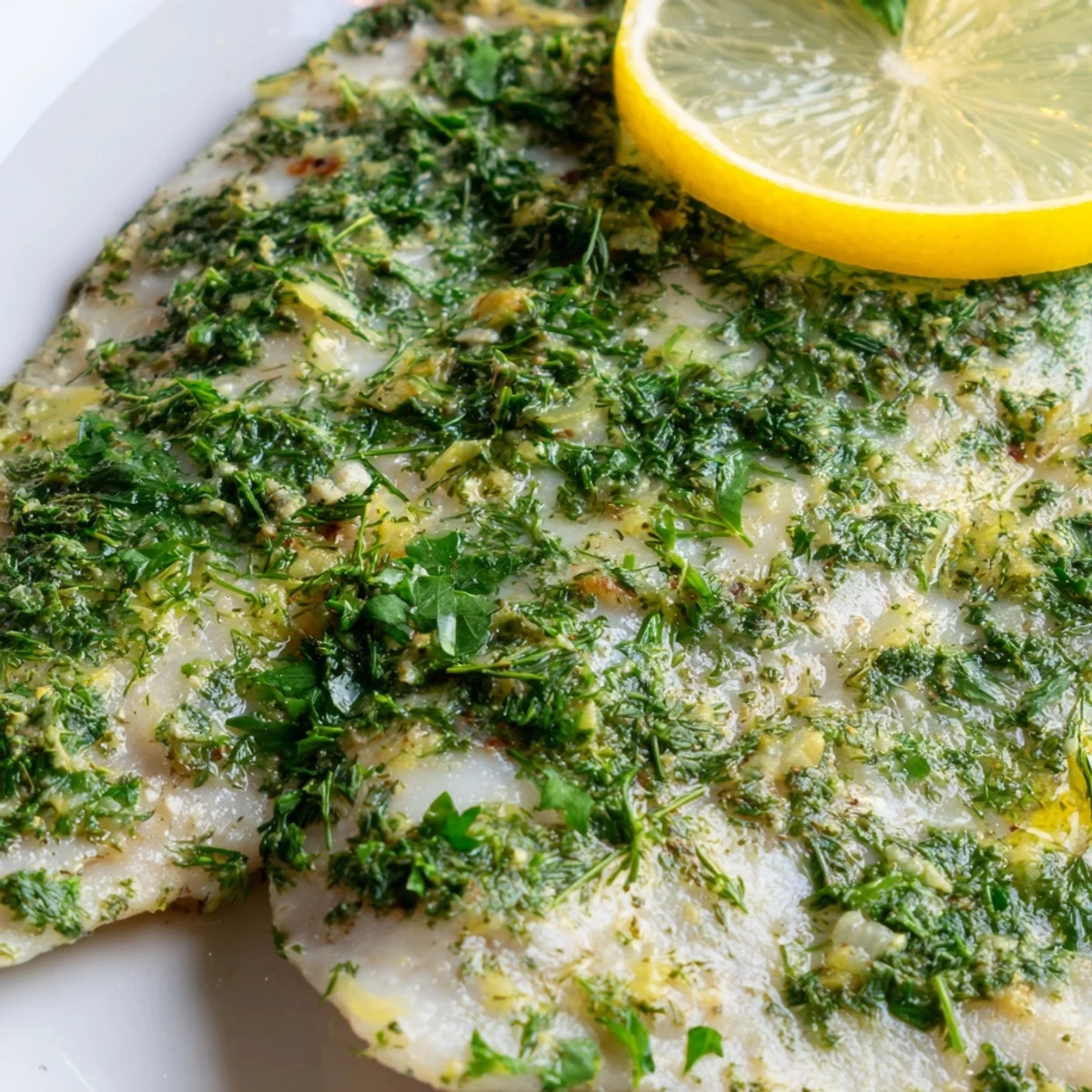
- Place fillets in the prepared dish, drizzle lightly with olive oil, then generously sprinkle the herb mixture over each one. The generous part is key; this is where all your flavor lives.
- Add lemon and bake:
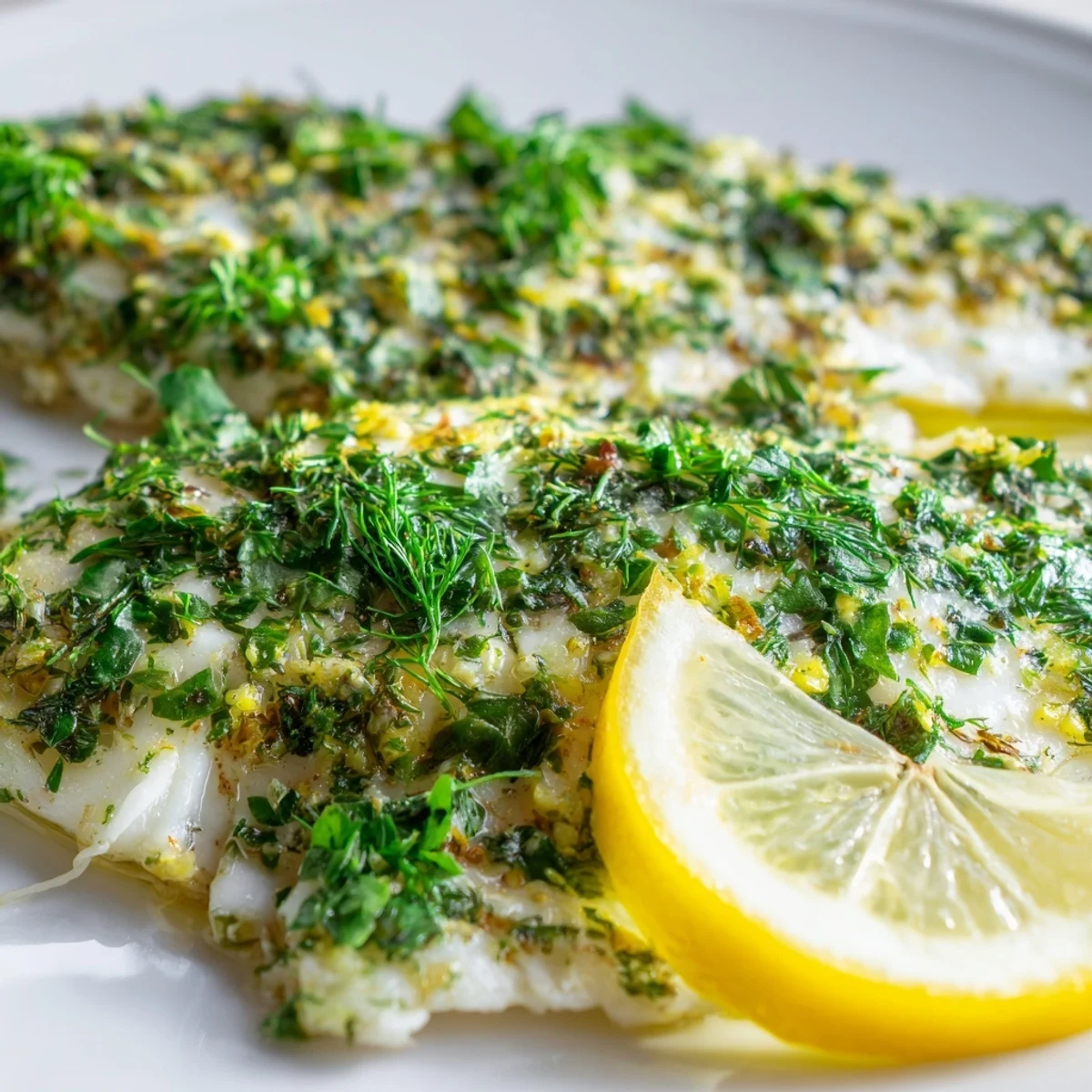
- Lay lemon slices over the fillets and slide into the oven. You're aiming for 18-20 minutes, but start checking at 15 if your fillets are particularly thin. The fish is done when it flakes easily with a fork and looks opaque all the way through, with no translucent center.
- Serve hot:
- Transfer to plates and garnish with any fresh herbs you have left, a pinch of that beautiful lemon zest, or even a tiny drizzle of good olive oil. Serve alongside steamed vegetables, rice, or a sharp green salad that can stand up to the brightness of the herbs.
 Pin This
 There was one evening when my sister came over unannounced with her kids, hungry and a bit chaotic, and I pulled these together without any fuss—they ate it without complaint, the kids included, which in my family is basically a standing ovation. That's when this dish stopped being a recipe and became something I reach for whenever I need to feel like I'm taking care of people, even on nights when I'm barely holding it together myself.
Making It Your Own
Once you understand the basic formula—mild fish, fresh herbs, acid, fat, heat—you can play with it endlessly. I've added thyme on autumn evenings, swapped basil for tarragon, mixed in finely minced fennel when I had it on hand, or added a small pinch of red pepper flakes when I wanted something with a little kick. The herb mixture is your canvas, so don't feel bound to exactly what's written here.
Pairing and Serving Ideas
This fish sings when paired with something that can absorb its delicate juices—a simple rice pilaf, roasted potatoes with olive oil and sea salt, or a warm grain like couscous or quinoa. On lighter nights, I plate it on a bed of tender greens dressed with nothing but the lemon juice from the fish and a whisper of good olive oil. The acidity of a crisp white wine or even a sparkling water with lemon is essential to cut through the richness of the olive oil.
Kitchen Lessons Learned
I've learned that baking fish is actually easier than pan-searing it, because there's no constant vigilance, no risk of burning, and no hot oil splattering on your hand when you're tired. The oven creates gentle, even heat that respects the fish's delicate nature. I've also learned that buying fresh herbs from the produce section, even if they're slightly more expensive than the alternative, is worth every penny—the flavor difference between fresh and dried herbs in a dish this simple is the difference between memorable and forgettable.
- Always buy whole herbs and chop them yourself just before cooking; pre-chopped herbs oxidize and lose their brightness.
- If your oven runs hot, start checking the fish at 15 minutes rather than trusting the recipe's timing.
- Leftover herb-coated tilapia is fantastic cold the next day, tossed into a salad or eaten straight from the fridge as a protein snack.
 Pin This
 This recipe taught me that the best food doesn't have to be complicated or take hours; sometimes it just needs to be fresh, simple, and made with a little care. I hope it becomes one of those dishes you make so often you stop thinking of it as a recipe and start thinking of it as just dinner—the good kind, the kind that brings people to the table.
Recipe FAQs
- → What herbs complement baked tilapia?
-
Fresh parsley, dill, and basil add bright, aromatic flavors that enhance the mild taste of tilapia.
- → How do I know when the fish is fully cooked?
-
The tilapia is done when it flakes easily with a fork and looks opaque throughout.
- → Can this dish be prepared gluten-free?
-
Yes, this dish naturally contains no gluten when using pure olive oil and fresh ingredients.
- → What sides pair well with baked tilapia?
-
Steamed vegetables, rice, or a fresh green salad complement the herb-baked fish nicely.
- → Can I add other herbs for variation?
-
Thyme and chives work well as additions or substitutions to the herb blend for extra flavor.