
 Pin This
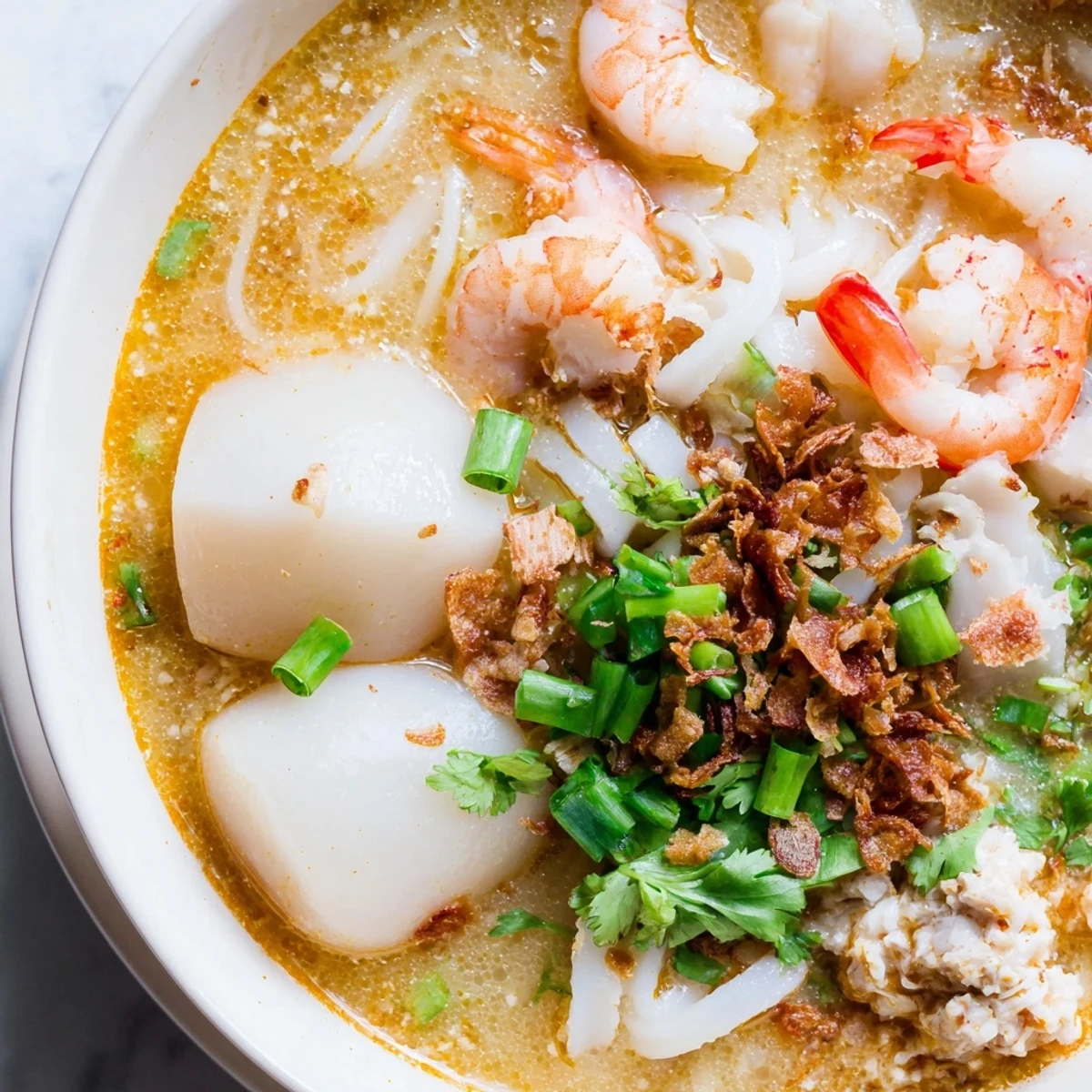
 Banh Canh Cua brings together thick, chewy tapioca noodles with succulent crab meat, plump shrimp, and sliced fish cakes in a deeply savory broth. This Vietnamese classic builds layers of flavor from simmered pork bones, aromatics, and fish sauce, creating a comforting bowl that's both rich and satisfying. Perfect for those craving authentic Vietnamese flavors at home.
The steam rising from my grandmother's kitchen always meant banh canh was on the stove. Those thick, chewy tapioca noodles swimming in a crab rich broth became my definition of comfort food during rainy Saigon afternoons. Now whenever I make it, the kitchen fills with that same aromatic promise of something deeply nourishing and familiar.
Last winter, my friend Sarah stumbled into my apartment looking defeated after a terrible week at work. I had banh canh bubbling on the stove, and after one spoonful, she actually started crying, not from sadness but from how something so simple could taste like home. Now she requests it whenever life gets overwhelming, and honestly, I never say no.
Ingredients
- Chicken stock: Use a good quality stock as your foundation, it makes up 70% of the final flavor
- Pork bones: Blanching first removes impurities that would cloud your broth
- Yellow onion: Char the halves over an open flame first for an extra layer of smoky sweetness
- Fresh crab meat: The sweet, delicate flavor cannot be replicated, though imitation works in a pinch
- Banh canh noodles: Fresh noodles have the best texture, but frozen thaw overnight work beautifully too
- Fried shallots: These add crucial crunch and an aromatic finish that completes the bowl
Instructions
- Build your broth base:
- Combine chicken stock, blanched pork bones, halved onion, smashed garlic, salt, and sugar in a large pot. Bring everything to a rolling boil, then lower the heat to maintain a gentle simmer for 30 minutes, skimming any foam that rises to the top.
- Season and strain:
- Stir in the fish sauce, then carefully remove the pork bones and onion pieces. Your broth should now be clear and fragrant, ready to receive the seafood.
- Cook the shrimp:
- Add the peeled shrimp to the simmering broth and cook for just 2 to 3 minutes until they turn pink and opaque. Immediately remove them with a slotted spoon to prevent overcooking.
- Infuse crab essence:
- Gently add the crab meat and sliced fish cakes to the broth, letting them simmer for 5 to 7 minutes. The crab will release its natural sweetness into the liquid, creating that signature flavor.
- Prepare the noodles:
- Cook the banh canh noodles according to package instructions, then drain and rinse them lightly with cool water. This stops the cooking process and keeps them from clumping together.
- Assemble with care:
- Divide the noodles among four bowls, then arrange the shrimp, crab meat, and fish cakes on top. Ladle the piping hot broth over everything, letting it warm all the components.
- Add the finishing touches:
- Scatter spring onions, fried shallots, and fresh cilantro over each bowl. Serve with lime wedges, sliced chilies, and a pepper mill so everyone can season their own bowl to taste.
 Pin This
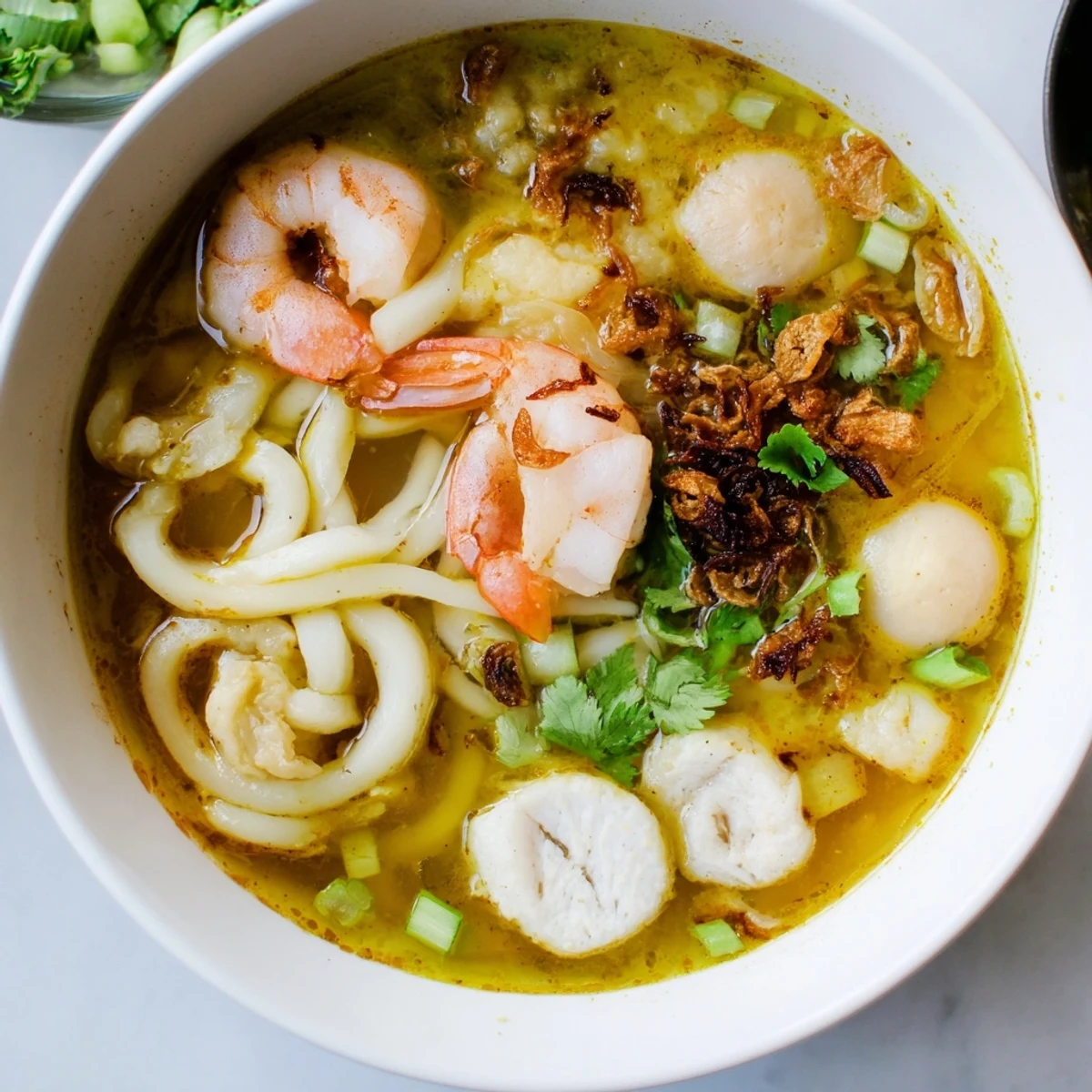
 My first attempt at banh canh ended in disaster because I cooked everything together at once. The shrimp turned into rubber erasers, the noodles dissolved into mush, and the crab flavor completely disappeared. That failure taught me patience and timing, two lessons that transformed this dish from hopeful to extraordinary.
Making Your Broth Sing
A splash of annatto oil does not just turn the broth a beautiful golden red, it adds this subtle earthy undertone that rounds out the sweetness. I keep a small jar in my pantry specifically for Vietnamese soups. A little goes a long way, so start with half a teaspoon and adjust from there.
Noodle Wisdom
Fresh banh canh noodles are pure magic, but they are not always available depending on where you live. Frozen versions thaw in cold water within fifteen minutes and perform almost identically. Avoid dried banh canh if possible, they never quite achieve that perfect bounce that makes this dish so special.
The Art of Assembly
There is something meditative about arranging the garnishes, each one adding its own texture and brightness to the final bowl. I like to set everything out in small bowls and let people customize their own.
- Fresh herbs should be added at the last second so they stay vibrant and perky
- A squeeze of lime right before eating cuts through the richness beautifully
- Extra fried shallots on the table never hurt anyone
 Pin This
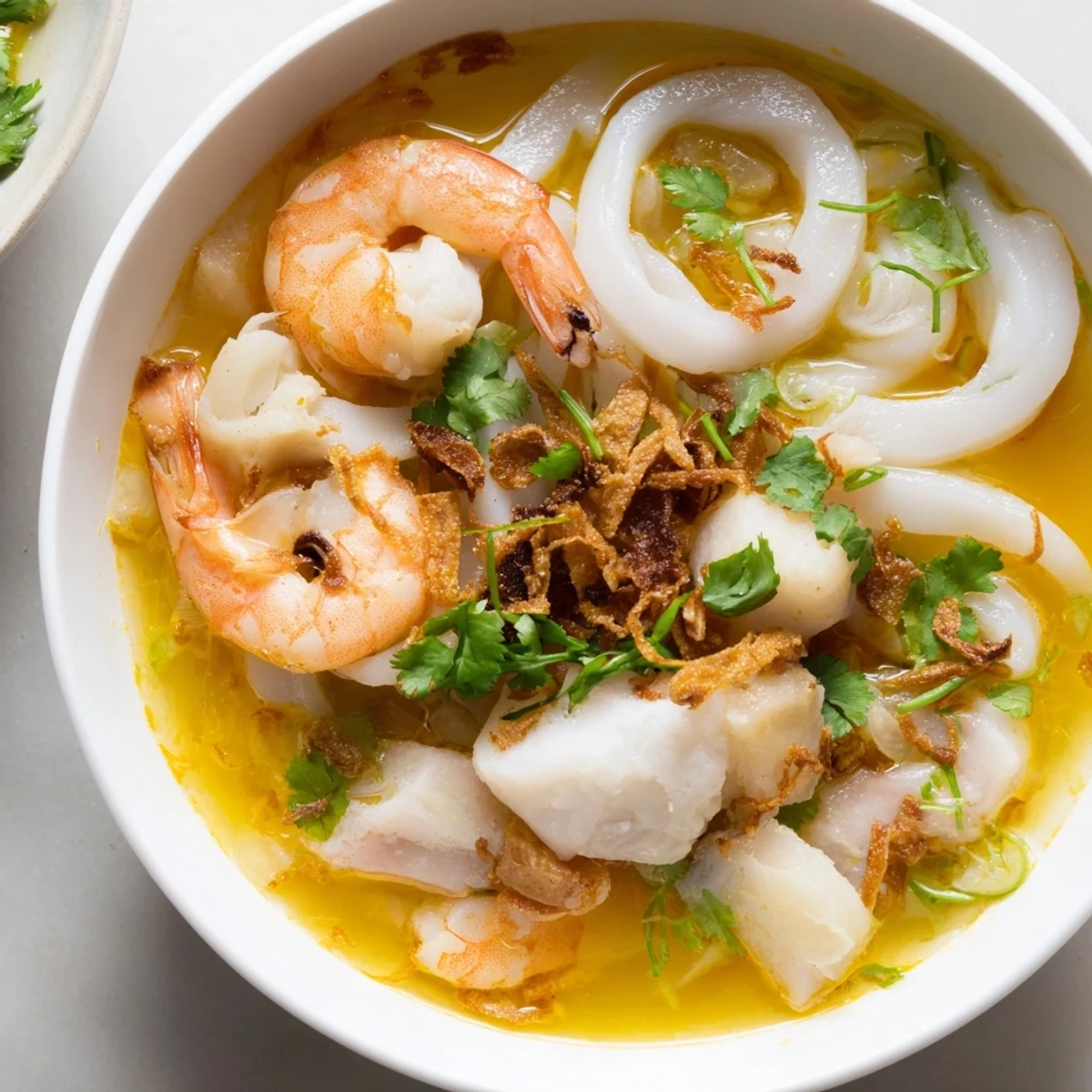
 This soup has become my go to for welcoming new neighbors and comforting old friends. There is something universal about a bowl of hot, homemade broth that says you belong here.
Recipe FAQs
- → What makes Banh Canh Cua different from other Vietnamese noodle soups?
-
The thick tapioca noodles give Banh Canh Cua its distinctive chewy texture, unlike the thin rice noodles in pho or vermicelli. The broth focuses on crab and seafood rather than beef or herbs, creating a sweeter, richer profile.
- → Can I use imitation crab for this dish?
-
Yes, imitation crab or surimi works well and is often used. For the best flavor, combine it with some fresh crab or enhance the broth with crab paste or shellfish stock.
- → How do I prevent the noodles from sticking together?
-
Rinse the cooked noodles under cool water after draining and toss them lightly with a bit of oil. Keep them separate until ready to assemble bowls, then ladle hot broth over immediately.
- → What can I substitute for fish cakes?
-
You can use sliced crab sticks, extra shrimp, or even pieces of firm white fish like tilapia or cod. For a vegetarian version, try fried tofu puffs or mushrooms.
- → Is this dish gluten-free?
-
The tapioca noodles are naturally gluten-free, but fish cakes often contain wheat as a binder. Check labels carefully or use gluten-free alternatives if needed.
- → How long does the broth keep in the refrigerator?
-
The broth keeps well for 3-4 days when stored properly in an airtight container. For best results, store noodles and seafood separately and reassemble when reheating.