
 Pin This
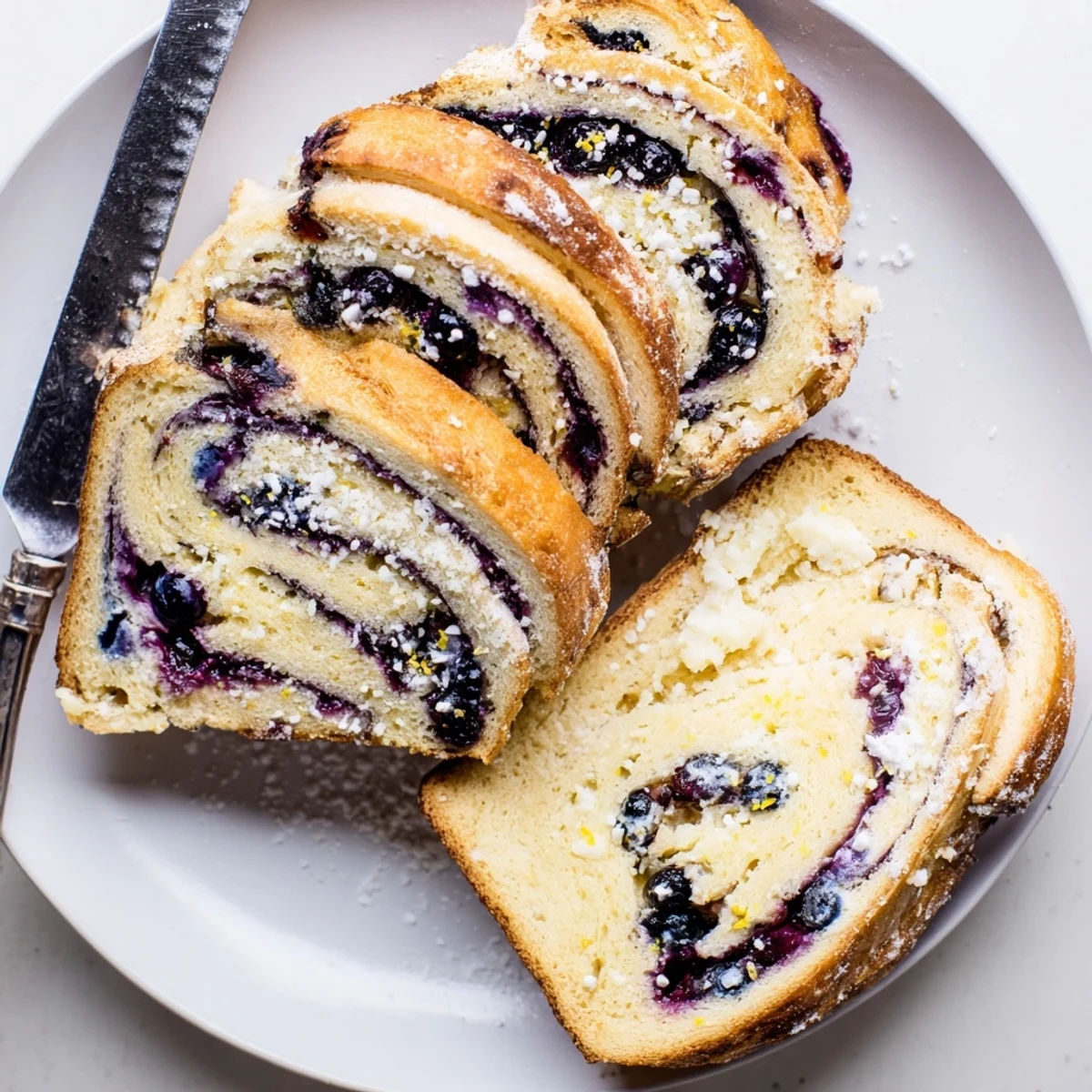
 This artisan sourdough combines the complex tang of naturally fermented dough with sweet-tart blueberries and bright lemon zest. The cream cheese filling creates rich, indulgent pockets throughout each slice, while the overnight cold proofing develops deep flavor and a beautifully crisp crust.
The process involves traditional stretch-and-fold techniques to build strength before gently incorporating berries and zest. Rolling the dough jelly-roll style ensures satisfying swirls of creamy filling in every bite. The result is a stunning loaf that bridges breakfast pastry and rustic bread, perfect toasted with extra lemon curd or enjoyed plain while still warm from the oven.
The morning sun hit my kitchen window just as I pulled this bread from the oven, that golden crust catching the light while blueberries peeked through little caramelized blisters. I had been experimenting with sweet sourdough for months, but something about the tang of lemon against creamy cheese pockets made this particular attempt feel like discovering a hidden language in flour and fermentation. My roommate wandered in, drawn by the smell, and we ended up eating warm slices standing up at the counter, abandoning all plans for a proper breakfast.
I first made this for a friend who claimed they didnt like sweet breads, watching their face change at first bite as the lemon zest hit their nose. The balance of sweet and tangy caught them off guard in the best way, and now they request it every time they visit. There is something deeply satisfying about taking a humble starter and turning it into bread that feels like it belongs in a fancy bakery case.
Ingredients
- Bread flour (400 g): Provides the protein structure needed for all those mix-ins while keeping the crumb tender
- Whole wheat flour (100 g): Adds nutty depth and helps balance the sweetness with earthiness
- Active sourdough starter (100 g): Use starter at peak activity, bubbly and doubled, for the best rise and flavor development
- Water (325 g): Room temperature works best so your dough develops smoothly during those essential stretch and folds
- Fine sea salt (9 g): Do not reduce this even though its a sweet bread salt makes the fruit and cheese flavors pop
- Fresh blueberries (120 g): Pick berries that are firm but give slightly to gentle pressure, avoiding any that are mushy or moldy
- Lemon zest (1 large): Use a microplane to get just the yellow part, avoiding the bitter pith beneath
- Cream cheese (150 g): Soften it completely so it spreads evenly without tearing your carefully developed dough
- Granulated sugar (30 g): Just enough to bridge the tangy cheese and tart berries without making this cloyingly sweet
- Pure vanilla extract (1 tsp): The real stuff matters here since its one of the few flavorings in the filling
- Coarse sugar (1 tbsp): This creates that professional bakery sparkle and adds a satisfying crunch to the crust
Instructions
- Mix your foundation:
- Combine both flours, starter, and water in your bowl, mixing until no dry streaks remain. The dough will feel shaggy and rough, which is exactly what you want before the autolyse works its magic.
- Let the dough rest:
- Cover the bowl and walk away for 45 minutes, letting the flour hydrate fully. This simple step makes the later shaping so much easier and develops flavor before fermentation even begins.
- Incorporate the salt:
- Sprinkle the sea salt over the dough and knead it in by squeezing the dough between your fingers. The dough will smooth out slightly and start to feel more cohesive.
- Build strength through folding:
- Every 30 minutes for the first two hours, grab one edge of the dough and stretch it up, then fold it over the center. Rotate the bowl and repeat four times, watching your dough transform from shaggy to smooth and strong.
- Prepare your filling:
- While the dough develops, beat the softened cream cheese with sugar and vanilla until completely smooth. Set it aside where it will stay spreadable but not warm.
- Introduce the berries:
- During your final stretch and fold, gently fold in the blueberries and lemon zest. Use a light hand so you do not crush the berries or knock out all the air you have built into the dough.
- Shape for the oven:
- Turn the dough onto a floured surface and pat it into a rough rectangle. Spread the cream cheese mixture across the surface, leaving a small border, then roll it up like a jelly roll, pinching the seam firmly closed.
- Final proof:
- Shape the dough into a tight round or oval and place it seam side up in your floured proofing basket. Cover and refrigerate overnight, letting the cold proof develop incredible flavor while you sleep.
- Preheat properly:
- Place your Dutch oven in the oven and heat to 450°F (230°C) for at least 30 minutes. That screaming hot pot is what creates the spectacular oven spring and crispy crust.
- Bake with steam:
- Turn the dough onto parchment, score the top in your preferred pattern, and sprinkle with coarse sugar. Bake covered for 25 minutes, then uncover and continue baking until the crust is deeply golden and sounds hollow when tapped.
- Cool completely:
- Resist the urge to slice while warm, letting the bread cool for at least two hours. The cream cheese needs to set and the crumb to finish cooking through for the best texture.
 Pin This
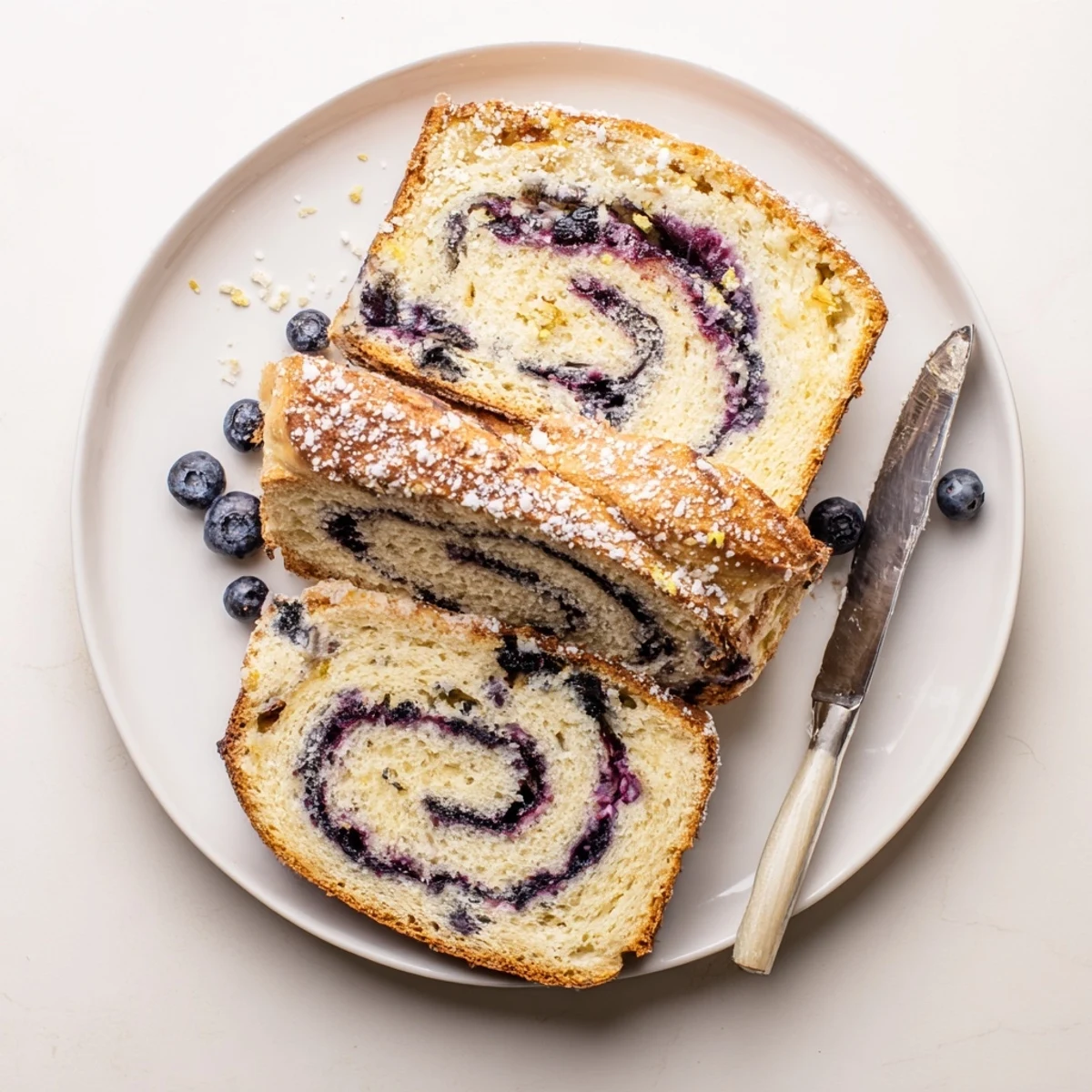
 This bread has become my go-to when I need to bring something to brunch but want to impress without seeming like I tried too hard. There is something magical about cutting into that rustic crust and revealing the spiral of berries and creamy cheese inside, like a secret hidden in plain sight.
Working With Sticky Dough
Blueberry dough will feel tackier than regular sourdough because the fruit releases moisture as you work. Keep your hands lightly floured and use a bench scraper to help lift and fold without tearing. The dough will become more manageable as the gluten develops, so trust the process even if the first few folds feel messy.
Timing Your Bake
I have learned to start this bread the night before I want to serve it, letting the cold proof happen while I sleep. That overnight rest in the refrigerator not only fits my schedule but also develops complex flavors that a shorter proof simply cannot achieve. The bread comes out of the oven just as morning coffee is brewing, which is its own kind of magic.
Storage And Serving Suggestions
This bread keeps remarkably well wrapped in foil at room temperature for up to three days, though the crust will soften over time. I actually love it toasted on day two, when the cream cheese has melted back into the bread and creates these incredible custardy pockets near the surface. For longer storage, slice and freeze individual portions, then reheat in a 350°F oven until warmed through and slightly crispy on the cut sides.
- Try swapping the blueberries for chopped strawberries or raspberries when they are in season
- A thin layer of lemon curd swirled with the cream cheese makes this even more bright and tangy
- This bread freezes beautifully before baking, so consider doubling the recipe and saving one loaf for later
 Pin This
 There is nothing quite like the first slice of this bread still warm from the oven, when the cream cheese is melted into little rivers and the blueberries have turned into concentrated bursts of sweetness. It is the kind of recipe that reminds me why I fell in love with baking in the first place.
Recipe FAQs
- → Can I use frozen blueberries instead of fresh?
-
Yes, frozen blueberries work perfectly in this dough. Toss them lightly in flour before folding into the dough to prevent excessive color bleeding. They'll release more moisture during baking, so the final crumb may be slightly more tender than with fresh berries.
- → How should I store this loaf?
-
Keep at room temperature wrapped in a cloth or paper bag for up to 2 days. For longer storage, slice and freeze individual pieces in an airtight bag. Toast frozen slices directly from the freezer—about 3-4 minutes should restore the crispy crust and warm the creamy filling.
- → Can I make this without a Dutch oven?
-
A Dutch oven creates the ideal steamy environment for a crisp crust, but you can bake on a baking sheet instead. Preheat a metal baking tray and create steam by tossing ice cubes into a preheated pan on the bottom rack when you load the dough. The crust may be slightly thinner but still delicious.
- → Is the cream cheese filling safe to bake at high temperatures?
-
The cream cheese is encased in dough, which protects it from direct heat. During the first 25 minutes of covered baking, the filling gently warms and sets. By the time you uncover the loaf, the cheese has melded into the crumb rather than melting out. Just ensure your seams are well-sealed before proofing.
- → Can I reduce the overnight proofing time?
-
The cold proof develops flavor and makes scoring easier, but you can skip it. After shaping, let the loaf proof at room temperature for 2-3 hours until it passes the poke test. The flavor will be slightly less complex, and you'll need to be extra gentle when scoring as room-temperature dough is more delicate.
- → What if my dough is too sticky after adding blueberries?
-
Berries add moisture, making the dough feel tackier. Resist adding more flour—use wet hands or a bench scraper to handle the dough. The extra hydration actually helps create steam during baking, contributing to a lighter crumb. If absolutely necessary, lightly flour only the surface you're working on.