 Pin This
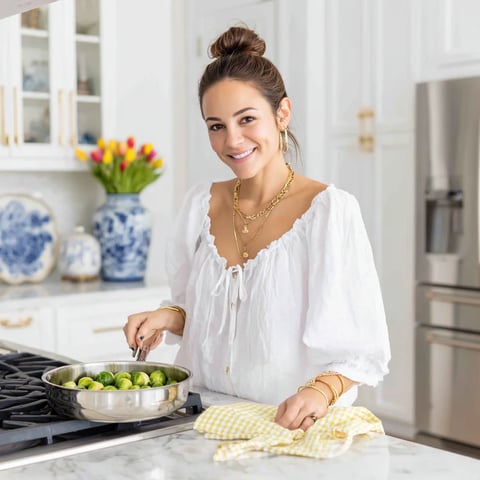
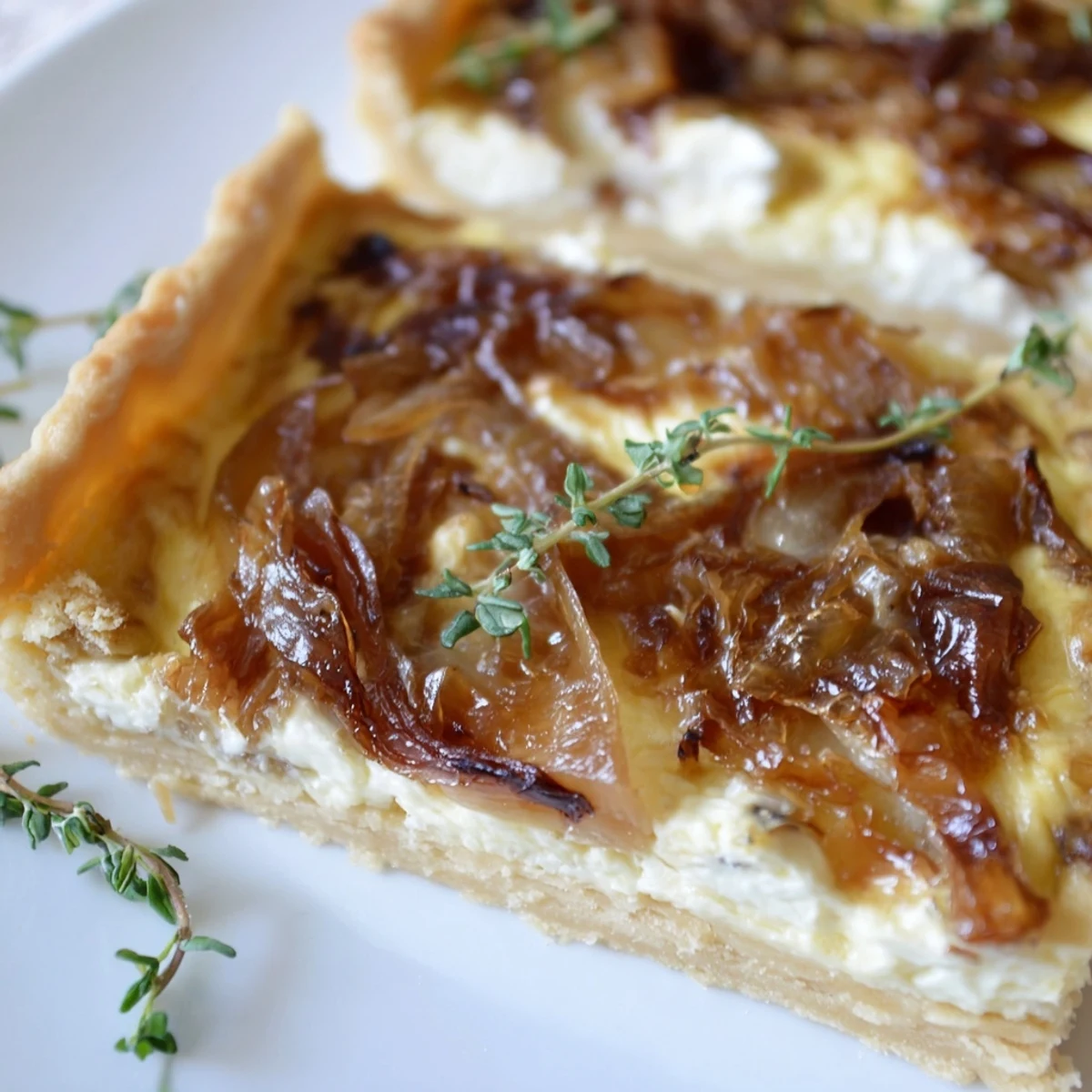
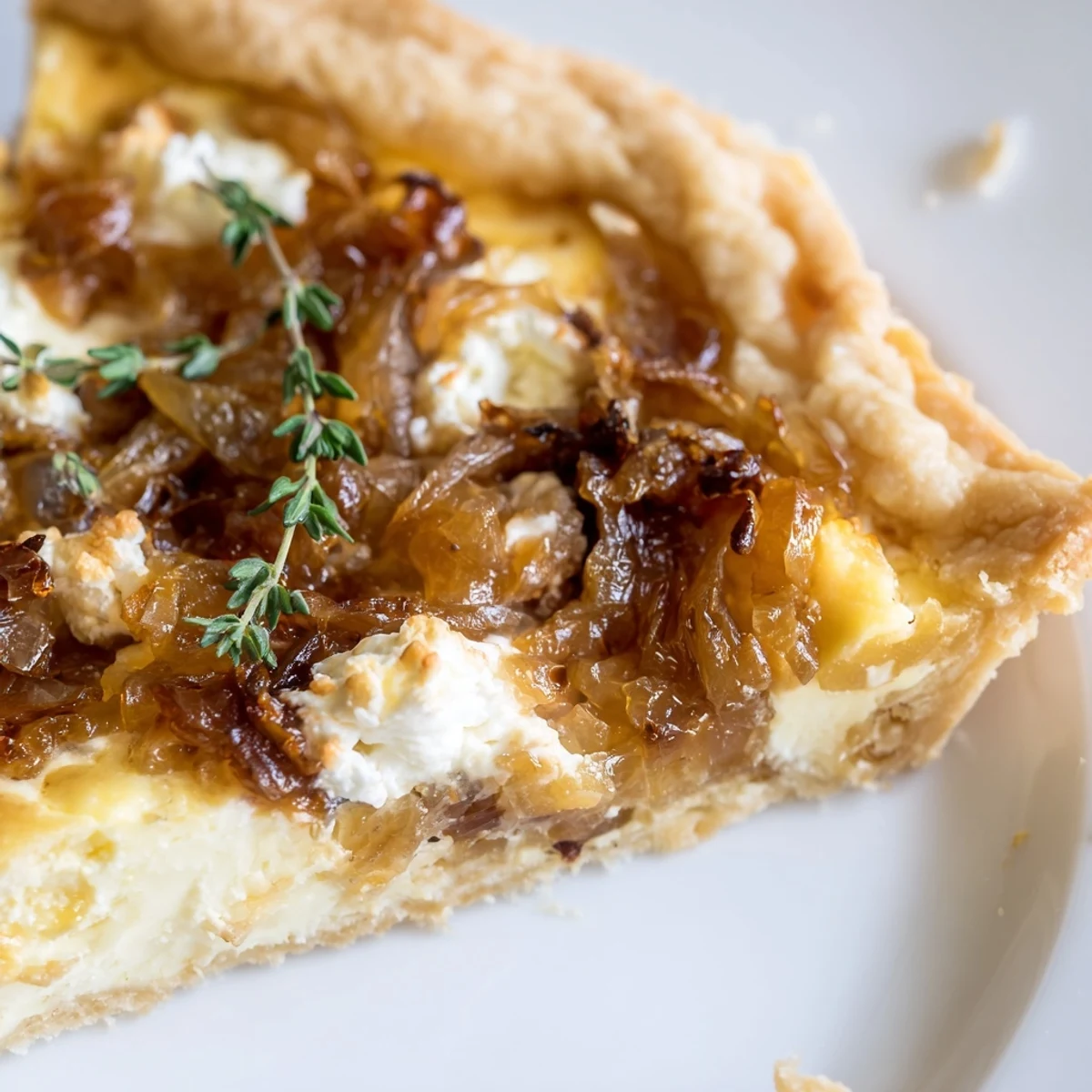
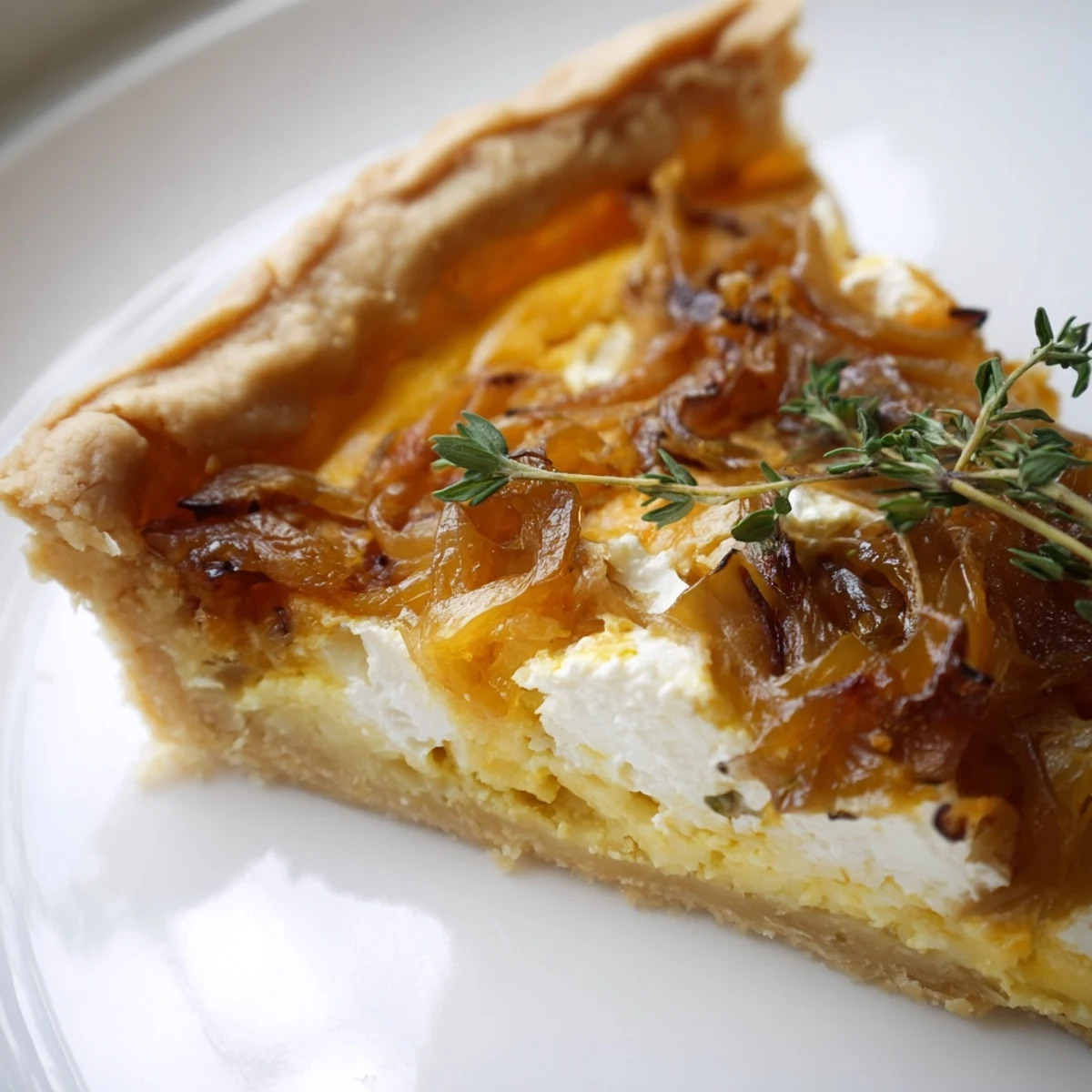
 This tart highlights the rich sweetness of caramelized onions balanced with the tangy softness of goats cheese, nestled in a buttery, crisp pastry. The onions are slowly cooked until golden and tender, then combined with eggs, cream, and nutmeg to create a smooth filling. Baked until golden and set, it’s perfect for brunch or a light meal, garnished with fresh thyme and arugula for herbal brightness.
The first time I really understood the magic of caramelized onions was at a friend's dinner party years ago—she pulled this tart from the oven, and the whole kitchen smelled like butter and sweetness in a way that made everyone pause. I spent the evening watching people's faces light up as they tasted that contrast of jammy onions and tangy goat cheese, and I knew I had to master it. Now whenever I make this tart, that same golden hour of cooking onions becomes my favorite part, time to think and sip something warm while the kitchen fills with that unmistakable aroma.
I made this for my sister one autumn afternoon when she dropped by unexpectedly, and by the time it came out of the oven, the smell had drawn our whole family to the kitchen. We ended up eating it straight from the tin while still warm, standing around the counter talking about everything and nothing. That's when I realized this tart does more than fill the plate—it fills the moment.
Ingredients
- Shortcrust pastry (250 g or 1 sheet): Use ready-rolled to save time, or make your own if you love the ritual of pastry work—either way, chill it before baking so it stays crisp and doesn't shrink.
- Olive oil: The good kind matters here since it mingles with the onions as they cook.
- Unsalted butter (2 tablespoons): Butter deepens the caramelization in a way oil alone cannot—don't skip it.
- Yellow onions (4 large, thinly sliced): The thinner you slice them, the faster they melt into that golden jam; use a sharp knife or the slicer on your box grater to make it easier.
- Sugar (1 teaspoon): Just a pinch to coax out the onions' natural sweetness and help them caramelize faster.
- Salt and black pepper: Season generously—onions absorb more seasoning than you'd expect.
- Fresh thyme (2 teaspoons or 1 teaspoon dried): The earthiness balances all that sweetness perfectly; if you have it fresh, add it at the end so it stays bright.
- Goat cheese (150 g, crumbled): The tanginess is essential—it's the conversation partner to the sweet onions, so don't replace it with something too mild.
- Eggs (3 large): They bind the custard and give it structure; room temperature eggs mix more smoothly.
- Double cream (200 ml): This creates that silky, rich custard that holds everything together.
- Whole milk (100 ml): Lightens the cream just enough so the custard isn't too heavy.
- Ground nutmeg (¼ teaspoon): A whisper of nutmeg adds warmth and subtlety—measure carefully as it's potent.
Instructions
- Get the pastry ready:
- Preheat your oven to 190°C (375°F) and let it heat fully—a truly hot oven gives the pastry that shatter-crisp texture. Roll out the pastry to fit your 23 cm tart tin, press it in gently without stretching, trim the edges, and prick the base all over with a fork so it doesn't puff up unevenly.
- Blind bake the shell:
- Chill the pastry for 10 minutes, then line it with parchment paper and fill with baking beans to hold it flat. Bake for 15 minutes, remove the beans and parchment, then bake another 5 minutes until it's pale golden—you want structure but not too much color since it'll bake again.
- Coax the onions into sweetness:
- While the pastry bakes, heat the olive oil and butter in a large skillet over medium-low heat and add your sliced onions with the sugar, salt, and pepper. This is the slow dance—stir often, maybe every couple of minutes, and let them cook for 20 to 25 minutes until they're soft, collapsed, and deep golden. Toward the end, stir in your thyme and cook 2 minutes more, then taste and adjust seasoning because these onions need to be bold.
- Make the custard:
- In a mixing bowl, whisk together the eggs, cream, milk, nutmeg, and a pinch of salt and pepper until smooth and combined—this is your binding magic.
- Build the tart:
- Spread the cooled caramelized onions evenly over the blind-baked pastry shell, then scatter the crumbled goat cheese over them, and pour the custard mixture over everything. The custard will find its way into all the gaps if you let it settle for a moment.
- Bake until set and golden:
- Bake for 25 to 30 minutes, checking around the 25-minute mark—you're looking for the filling to be set but still have a tiny jiggle in the very center, and the top should be golden. Let it cool for 10 minutes before you slice, so the filling firms up enough to hold clean pieces.
- Finish and serve:
- Top with fresh thyme sprigs and arugula if you'd like, then slice while warm or serve it at room temperature—both ways are wonderful.
 Pin This
 I once served this tart at a potluck where someone announced they didn't usually like goat cheese, and then quietly had two slices without saying a word. Watching skeptics become converts—that's when a recipe proves it's worth making again and again.
The Onion Secret Nobody Talks About
Most recipes rush you through caramelizing onions, but the real transformation happens in those last five minutes when they go from pale golden to mahogany-colored and smell like they've been cooking for hours. The sugar helps, but patience is the only ingredient that actually matters. I learned this by mistake once when I got distracted and let a batch go way longer than planned—and it was the best batch I've ever made.
Timing and Temperature Matter More Than You Think
Oven temperatures vary wildly, and every tart tin conducts heat differently, so trust your eyes and nose more than the timer—when the filling stops jiggling in the center and the top turns golden, it's done. I've found that opening the oven door a few times to check doesn't hurt as much as people warn, and it helps you catch the exact moment the tart reaches perfection.
Variations and Flavor Twists
The beauty of this tart is how easily it bends to whatever you have on hand or whatever you're in the mood for—I've made it with caramelized shallots instead of onions, swapped the goat cheese for crumbled feta or even sharp blue cheese, and added a handful of toasted walnuts for crunch. The custard base is forgiving enough that small changes feel like discoveries rather than substitutions.
- Toast some walnuts or pecans and scatter them over before baking for nutty depth and texture.
- Try a splash of balsamic vinegar stirred into the caramelized onions for complexity and a hint of acidity.
- Fresh herbs like dill or tarragon can replace thyme if that's what you love, but start with less and taste as you go.
 Pin This
 This tart has become one of those recipes I return to because it never fails to satisfy, and it brings people together in the easiest, most delicious way. Make it once and it becomes yours—a recipe that tastes like home.
Recipe FAQs
- → How do you caramelize onions for this tart?
-
Slice onions thinly and cook slowly over medium-low heat in olive oil and butter with sugar, salt, and pepper for 20–25 minutes until soft and golden.
- → Can I substitute goats cheese with other cheeses?
-
Yes, cheeses like feta or blue cheese can be used for a different flavor profile while maintaining the tart's creamy texture.
- → What is the best pastry for this dish?
-
Ready-rolled shortcrust pastry or a homemade equivalent provides a crisp, buttery base ideal for supporting the rich filling.
- → How can I add extra texture or flavor?
-
Sprinkling toasted walnuts before baking adds crunch and a nutty aroma that complements the onions and cheese.
- → At what temperature and for how long should the tart be baked?
-
Bake at 190°C (375°F) for 25–30 minutes until the filling is set and golden, allowing it to cool slightly before serving.