
 Pin This
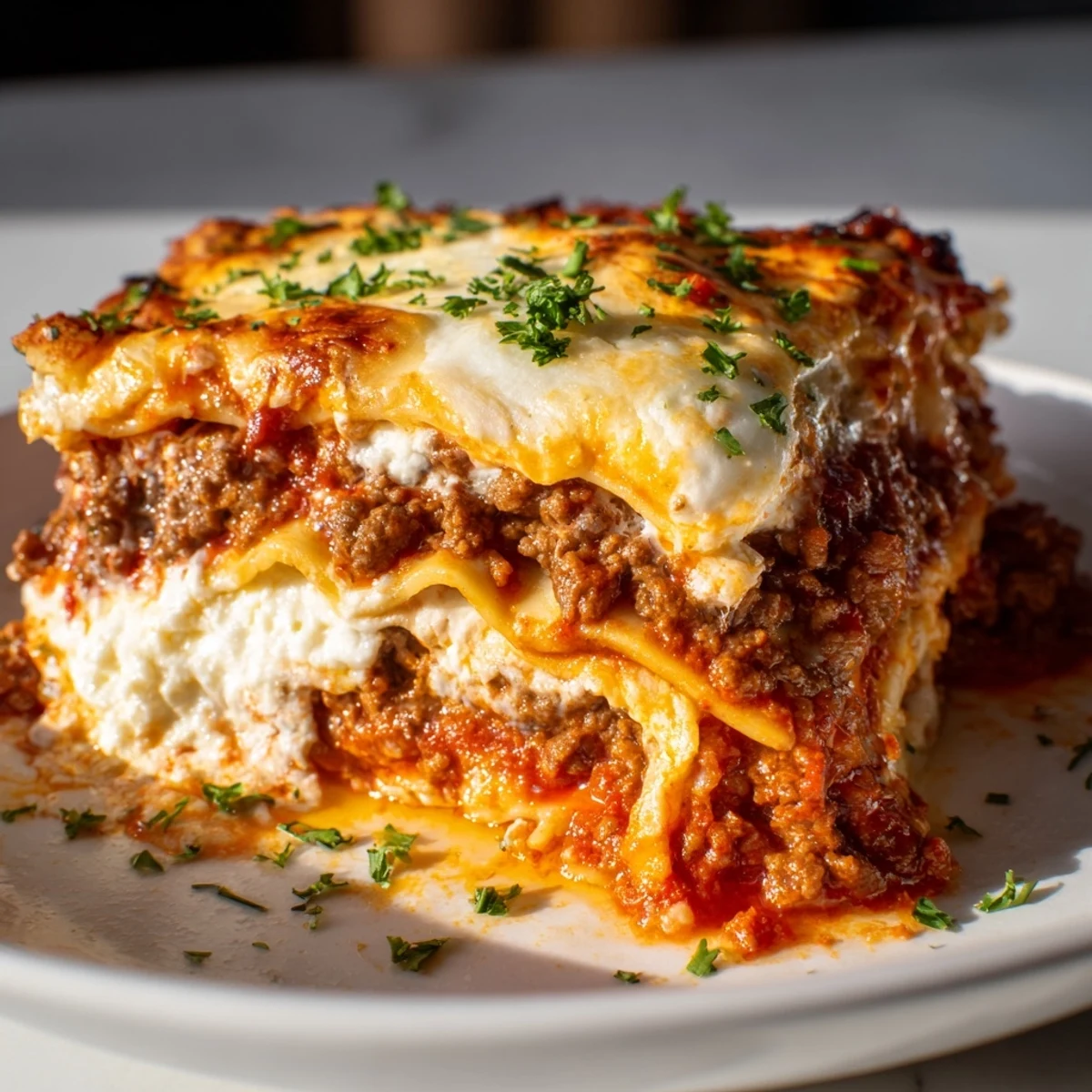
 This classic dish showcases rich beef ragù simmered in homemade marinara sauce layered with creamy ricotta and melted mozzarella. Tender pasta sheets create distinct layers that bake to a golden, bubbly finish. Simmering the sauce slowly develops deep flavors, while the cheese mixture adds a smooth, luscious texture that complements the savory beef. Perfect for a comforting main course, this dish serves eight and offers satisfying, balanced flavors with every hearty bite.
There's something about the smell of beef and tomatoes simmering together that transported me straight back to my nonna's kitchen, even though I grew up nowhere near Italy. I made this lasagna for the first time on a cold Sunday in March, and halfway through layering it, my roommate wandered in and asked if we were opening a restaurant. By the time it came out of the oven, golden and bubbling, I understood why lasagna has been feeding families for centuries.
I made this for a dinner party where nobody was sure if they liked each other yet, and by dessert they were laughing like old friends. That's the power of good lasagna—it gives people something warm to gather around, something that says you cared enough to take your time.
Ingredients
- Olive oil: Use good oil here, especially for building the marinara base where it actually tastes.
- Onion and garlic: These are your flavor foundation—don't rush them or skip mincing the garlic fine.
- Crushed tomatoes: Buy whole peeled tomatoes if you can find them and crush them yourself; canned crushed tomatoes sometimes taste tinny.
- Tomato paste: This concentrates the tomato flavor and adds depth that you can't get from sauce alone.
- Sugar: Just a teaspoon balances the acidity without making the sauce sweet—trust it.
- Oregano and basil: Dried herbs work perfectly here; fresh ones would wilt away during the long bake.
- Ground beef (80/20 blend): The fat ratio matters; leaner beef makes the filling dry and tough.
- Nutmeg: A pinch in the beef filling sounds odd until you taste it, then it's the secret nobody can identify but everyone loves.
- Ricotta cheese: This is your binding layer, creamy and mild so it doesn't fight the other flavors.
- Parmesan: Sharp and salty, it cuts through the richness of the sauce and mozzarella.
- Mozzarella: Fresh mozzarella will turn to liquid; use the lower-moisture shredded kind that actually browns.
- Lasagna noodles: Oven-ready noodles save a step, but regular noodles give you more control over texture.
Instructions
- Build your sauce foundation:
- Heat the olive oil and let the onion soften slowly—you want it translucent and sweet, not brown and crispy. Once the garlic hits the pan, you've got maybe a minute before it burns, so stay close.
- Layer in the tomatoes and seasonings:
- The crushed tomatoes will hiss a little when they hit the hot pan. Stir everything together and let it simmer uncovered so the liquid reduces and the flavors concentrate. Taste it toward the end and adjust—this is the moment to fix the salt or acid balance.
- Brown the beef with intention:
- Break it into small pieces as it cooks so you get texture, not a dense block. When it's no longer pink, drain the excess fat (don't skip this) and stir in the nutmeg before adding the sauce.
- Mix the ricotta layer gently:
- Combine everything in a bowl just until combined; overworking it makes the texture dense. Taste it and add a pinch of salt if needed.
- Prepare your noodles with care:
- If using regular noodles, salt your water well and cook them one minute under the package time so they stay slightly firm. Lay them on a clean towel or parchment—they'll stick to each other if they're too wet.
- Assemble with rhythm:
- Start with sauce on the bottom (prevents sticking and adds flavor), then noodles, then ricotta, then beef and mozzarella. Think of it as building a strong foundation so each layer stays in place when you slice it. Repeat until you end with sauce and cheese on top, which turns golden in the oven.
- Bake low and slow, then high:
- The foil keeps the cheese from browning too early while the pasta softens and flavors meld. Once you remove the foil, the cheese finally browns and the edges get a little crispy—this is when you know it's done.
 Pin This
 My sister came home from college and ate three pieces while standing at the kitchen counter, not even sitting down. Later she said it tasted like coming home, which is maybe the best compliment lasagna can get.
The Secret to Perfect Layering
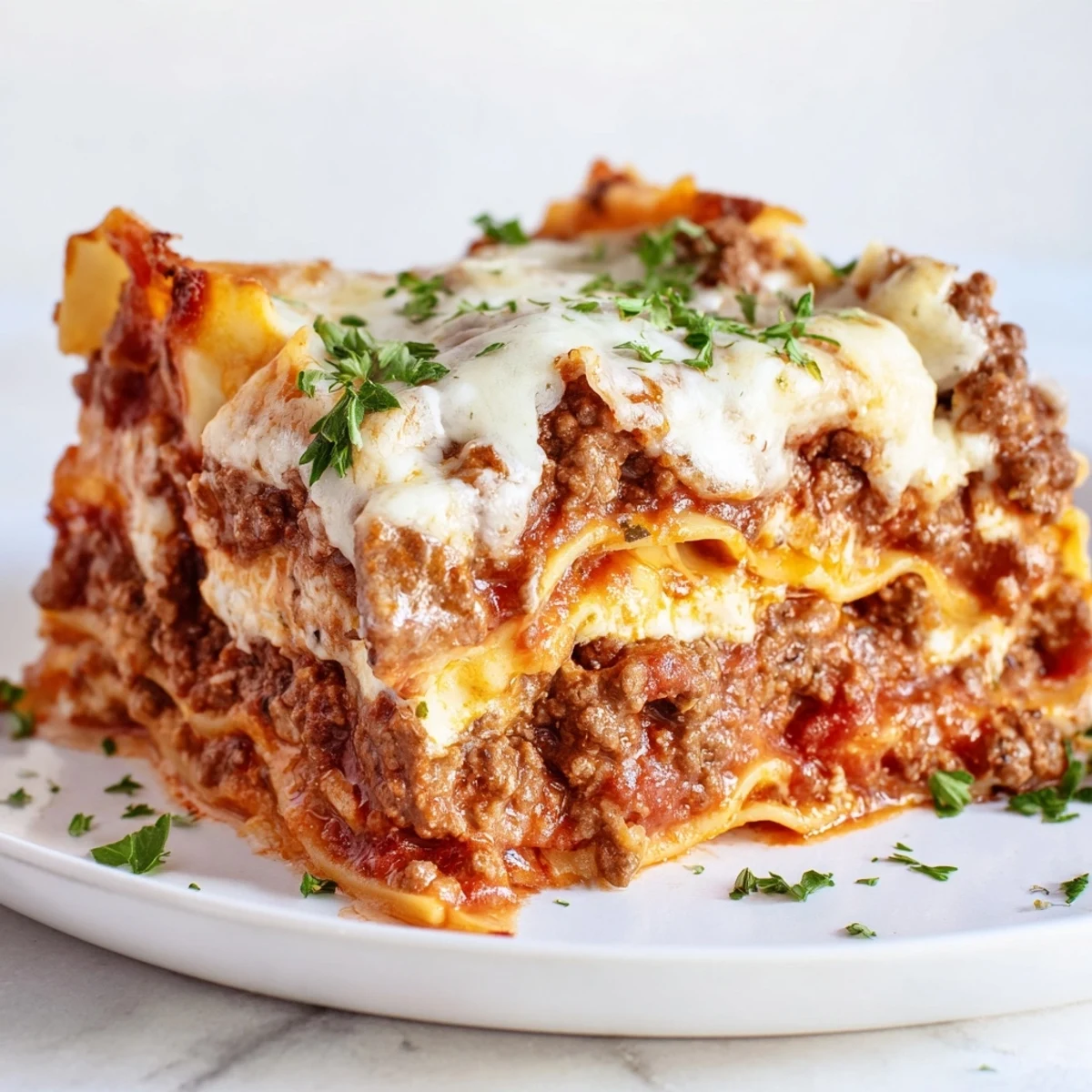
The order matters more than you'd think. Each layer has a job—the sauce clings to the noodles, the ricotta softens the beef's richness, and the mozzarella holds everything together while it bakes. If you skimp on sauce between layers, the noodles dry out and the dish becomes dense instead of melting. If you use too much ricotta, it dominates the other flavors and the whole thing gets heavy. The balance is about equal parts sauce, meat, and cheese in every layer except the top, which gets an extra blanket of mozzarella to brown.
Making It Your Own
This recipe is a foundation, not a rulebook. I've seen people add a splash of red wine to the marinara (which deepens the flavor without making it taste like wine), swap in ground turkey or pork for a lighter version, or even add a thin béchamel layer between the ricotta and beef for extra creaminess. The beauty is that the technique stays the same—you're just shifting proportions and flavors around the edges.
Why Lasagna Gets Better Overnight
Lasagna is one of the rare dishes that actually improves as it sits. The noodles continue absorbing the sauce, the flavors settle and mellow, and the whole thing becomes more cohesive. I often make it a day ahead, cover it, and bake it the next day—it comes out tasting more integrated, like all the elements finally became one dish instead of separate components stacked together. You can also freeze it unbaked for up to three months and bake directly from frozen, adding about 20 minutes to the baking time and keeping the foil on a bit longer.
- Refrigerate leftovers for up to four days in an airtight container.
- Freeze unbaked lasagna up to three months; thaw overnight before baking.
- Reheat gently in a 325°F oven covered with foil until warmed through.
 Pin This
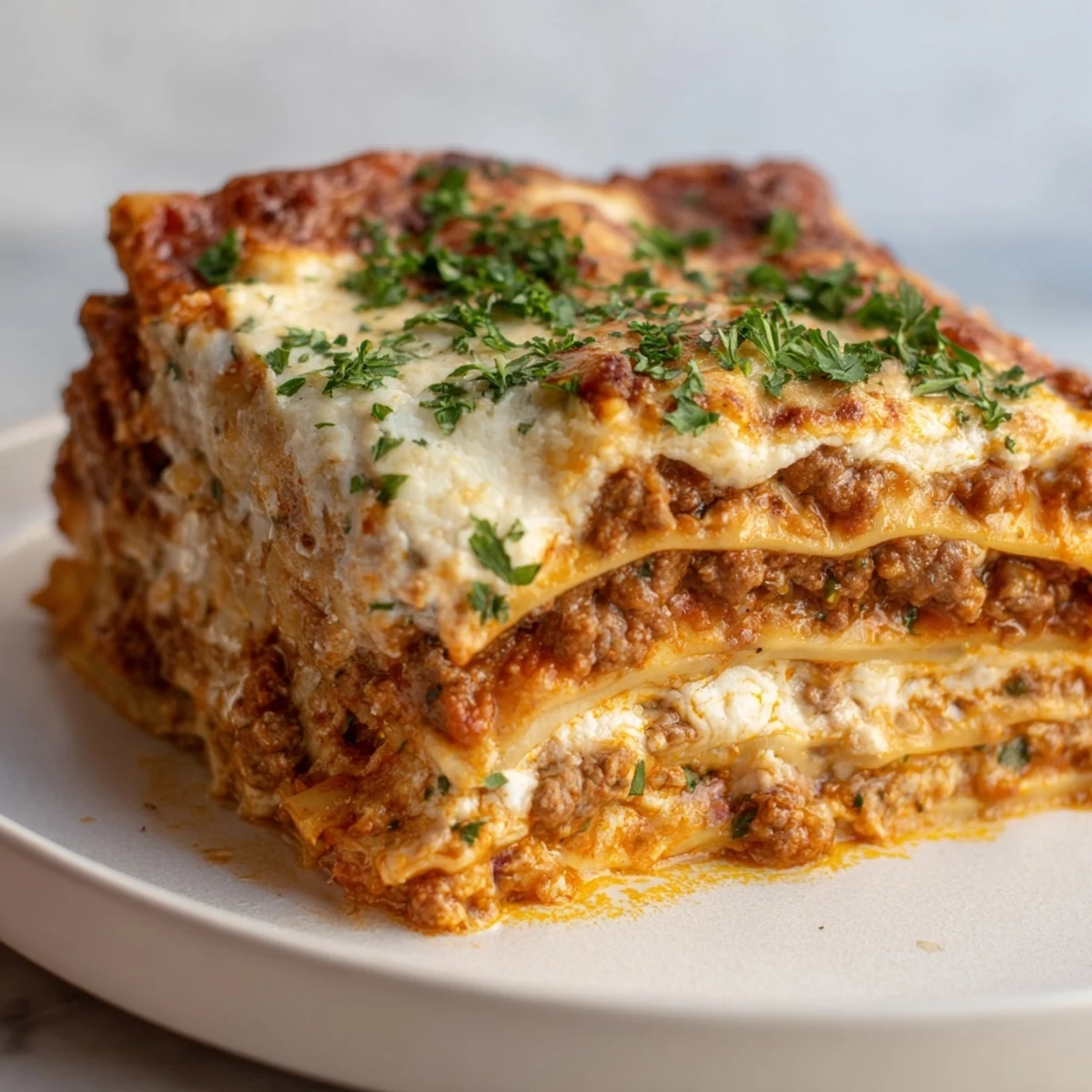
 This lasagna teaches you something about cooking: patience and layers make something greater than the sum of their parts. Every time you make it, you'll taste something slightly different because you'll dial in the seasoning to your preference, and that's exactly how it should be.
Recipe FAQs
- → What type of beef is best for the filling?
-
Use an 80/20 ground beef blend for optimal flavor and moisture, ensuring a juicy filling without excess fat.
- → How can I prevent noodles from sticking?
-
Cook noodles in salted boiling water until al dente, then drain and lay them flat on a clean towel to cool and avoid sticking.
- → Can I make the marinara sauce ahead of time?
-
Yes, simmering the marinara sauce in advance enhances the depth of flavors and makes assembly quicker.
- → What cheeses are used in the layers?
-
A mixture of ricotta, Parmesan, and shredded mozzarella layers creates a creamy, flavorful texture with a golden melt.
- → How long should the dish rest after baking?
-
Letting it rest for 15 minutes allows the layers to set, making slicing easier and preserving the texture.
- → Are there alternative meats suggested?
-
Ground turkey or pork can be used instead of beef, offering variations in flavor and fat content.