
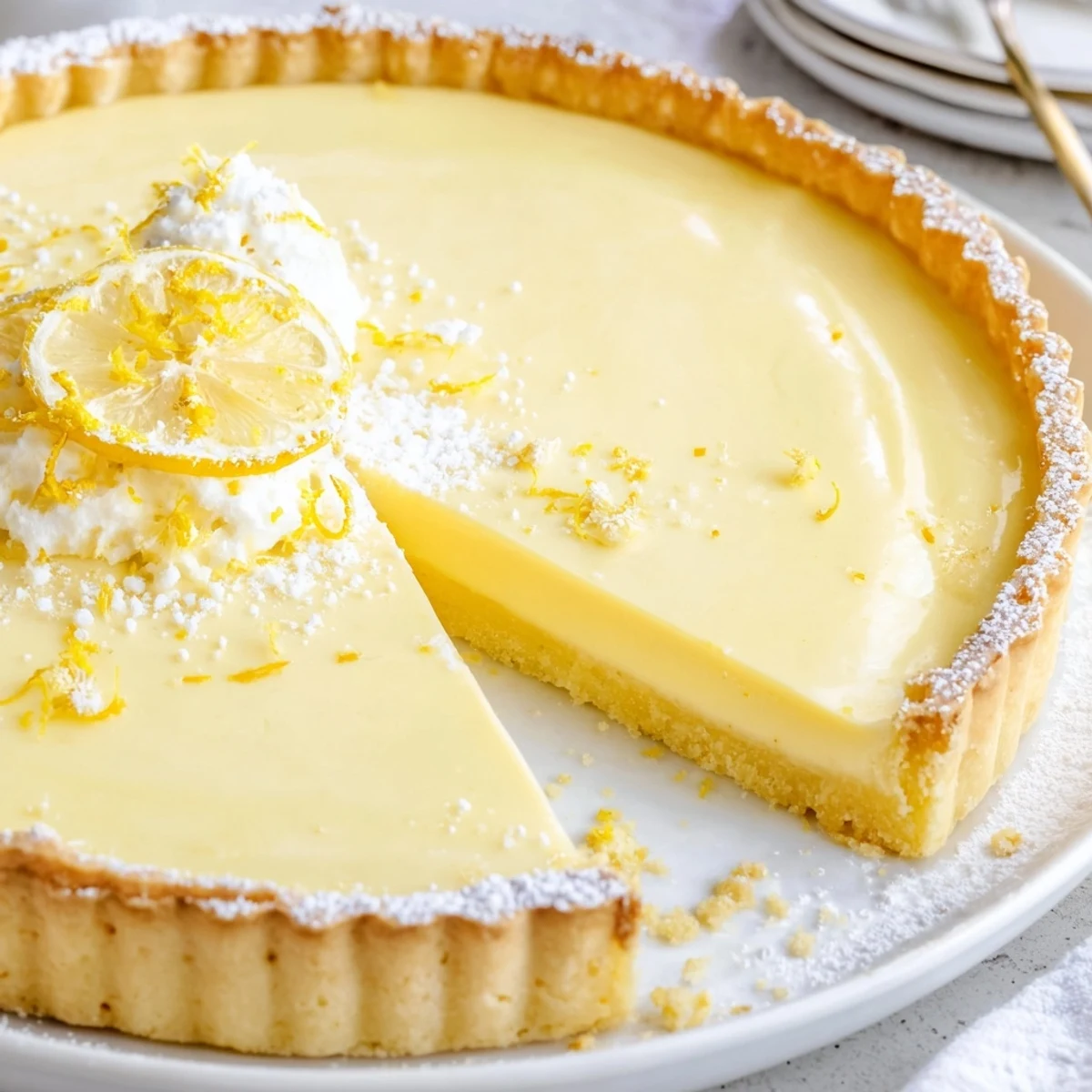
 Pin This
 This lemon tart pairs a crisp butter crust, mixed, chilled and blind-baked until golden with a silky custard made from heavy cream, eggs and yolks, grated lemon zest and fresh juice. Bake the filling at a lower temperature until the edges are set and the center remains slightly wobbly, then cool fully and chill for at least an hour. Finish with a light dusting of powdered sugar and berries for brightness.
The lemon trees by my kitchen window always seem to beckon me when they're heavy with fruit, and that's when this creamy lemon tart comes to life. The tang of fresh lemons filling the air is unmistakable, promising something bright and indulgent. I tend to play some music low in the background, letting the easy rhythm guide my hands through each step. That dance between buttery crisp crust and a custardy, puckery filling is surprisingly soothing after a long week.
One rainy spring afternoon, my neighbor surprised me with a basket of lemons from her yard, and on a whim, we baked this tart together with laughter mixing in as a secret ingredient. She'd never zested a lemon before and decorated the top with berry swirls, making it truly ours for the afternoon.
Ingredients
- All-purpose flour: Makes the crust sturdy yet tender; I learned chilling the flour helps the dough stay flaky.
- Powdered sugar: Gives the crust just enough sweetness without grittiness—sift it in for melt-in-the-mouth texture.
- Salt: Just a pinch makes all the other flavors sing; don't skip it!
- Unsalted butter (cold and cubed): Chilled butter is the secret to a crisp, shattering crust that feels luxurious with every bite.
- Large egg yolk: Adds richness and helps bind the dough together—a tip I picked up after a few crumbly mishaps.
- Cold water: Add it a spoonful at a time; dough that just comes together will bake up perfectly.
- Heavy cream: This is what makes the filling ultra-silky and luscious, softening the lemon's sharp edges.
- Granulated sugar: Striking the right balance prevents the lemon from being overpowering; taste the mixture before baking if you like.
- Large eggs and egg yolks: These give the filling structure, turning it custardy and smooth (be sure to whisk thoroughly so it's not streaky).
- Finely grated lemon zest: Use a microplane for a fragrant zest without bitterness; fresh lemons really are best here.
- Fresh lemon juice: Squeeze right before using for the brightest flavor, and strain out seeds.
- Pinch of salt: Even in sweets, a hint of salt lifts up all the flavors.
- Powdered sugar (for garnish): A gentle dusting turns the tart into something almost magical at the table.
- Fresh berries or candied lemon slices (optional): These add a pop of color and flavor—sometimes I'll let kids ‘decorate’ their own slice.
Instructions
- Get the Oven Cozy:
- Preheat your oven to 350°F and let that warmth fill the kitchen.
- Make the Crust:
- In a food processor, pulse flour, powdered sugar, and salt, then add cold butter cubes and blend until the mix looks like damp sand.
- Bring the Dough Together:
- Work in the egg yolk and a couple spoonfuls of cold water, pulsing until the dough just starts forming clumps that hold their shape.
- Chill and Roll:
- Turn dough onto a lightly floured counter, shape into a disk, wrap it up, and chill for half an hour.
- Shape the Crust:
- Roll dough to 1/8-inch thick, gently lift into your tart pan, and press to fit, trimming any overhang, and prick the base with a fork to prevent puffing.
- Blind Bake:
- Line the crust with parchment, toss in pie weights or beans, and bake for 15 minutes, then remove the weights and let it bake 8–10 minutes more until golden; cool slightly.
- Lower the Heat:
- Drop oven temperature to 300°F—don't forget this step or your filling might bubble over.
- Blend the Filling:
- In a bowl, whisk cream, sugar, eggs, yolks, zest, lemon juice, and salt until fully smooth and fragrant.
- Fill and Bake Again:
- Pour the creamy mixture into the cooled crust, bake for 20–25 minutes till edges are set but the center jiggles a bit when nudged.
- Cool and Chill:
- Let the tart come to room temp, then refrigerate for at least an hour for easy slicing and best texture.
- Garnish and Serve:
- Dust with powdered sugar and add fresh berries or pretty lemon slices if you like, then slice and enjoy the reward of your patience.
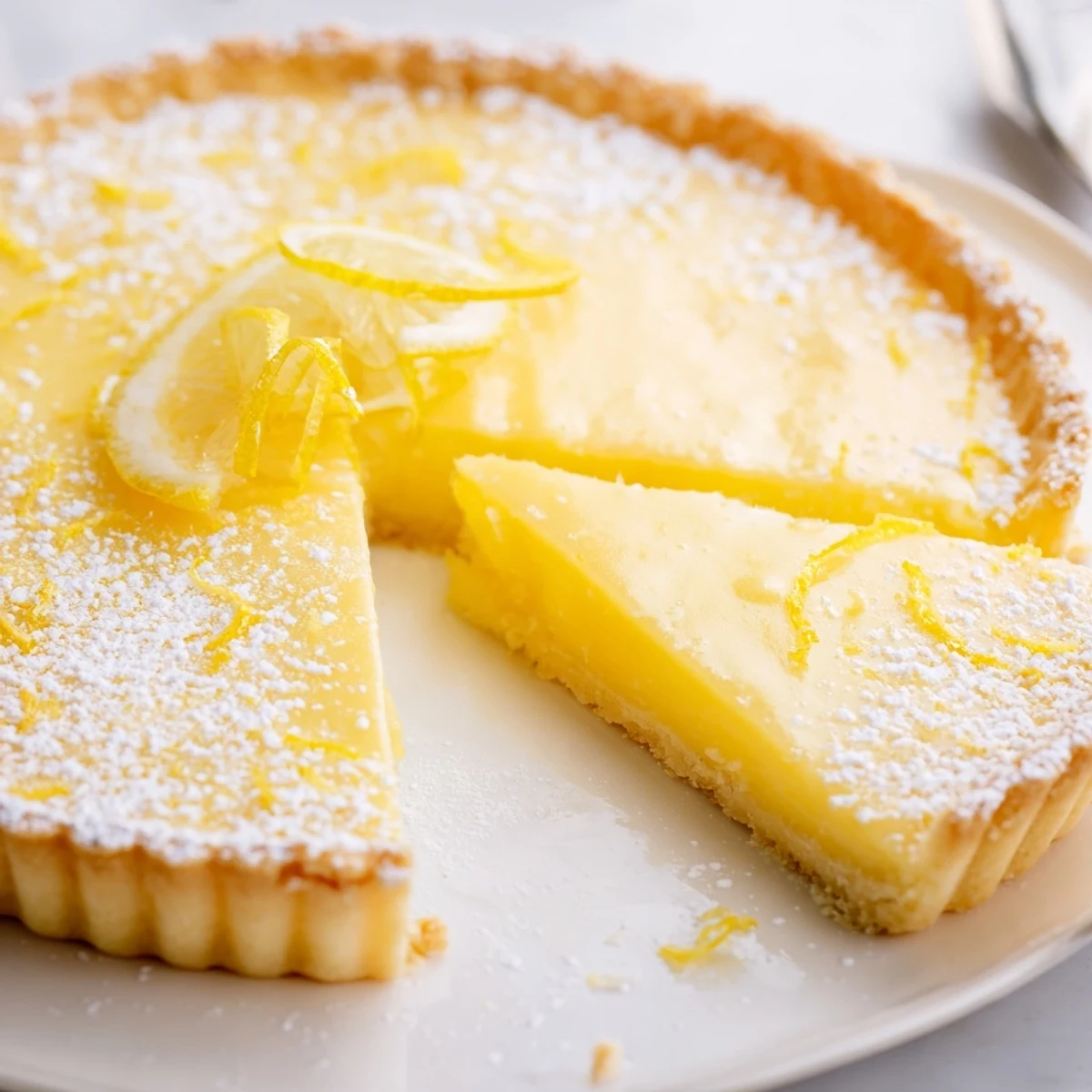 Pin This
 The first time I shared this creamy lemon tart at a friends summer picnic, it disappeared faster than I could slice it, and I caught someone sneakily swiping at the plate for crumbs. It felt a little like a magic trick—not a crumb left by the time we packed up.
About Making It Ahead
This tart actually gets better after a night in the fridge, letting the flavors deepen and meld. I've often baked it the evening before a gathering, waking up to that sweetly tart aroma promising a treat for later.
How to Get a Crisp Crust Every Time
Blind baking with plenty of pie weights is my quiet guarantee against disappointing sogginess—it's amazing what a parchment-lined crust and a handful of dried beans can do. Skipping this step once left me with a chewy base that stuck to the pan so now I make it non-negotiable.
Lemon Tart Troubleshooting
If your tart is too wobbly after baking, don't panic—let it cool completely and set up in the fridge, and most of the time it will firm up beautifully. Over-baking is really the only way to lose that dreamy creaminess, so trust your eyes more than the timer.
- Let your lemon juice come to room temp before mixing for a silkier filling.
- A sprinkle of zest on top right before serving brightens flavor instantly.
- Always use a sharp knife for the cleanest slices and wipe it between cuts.
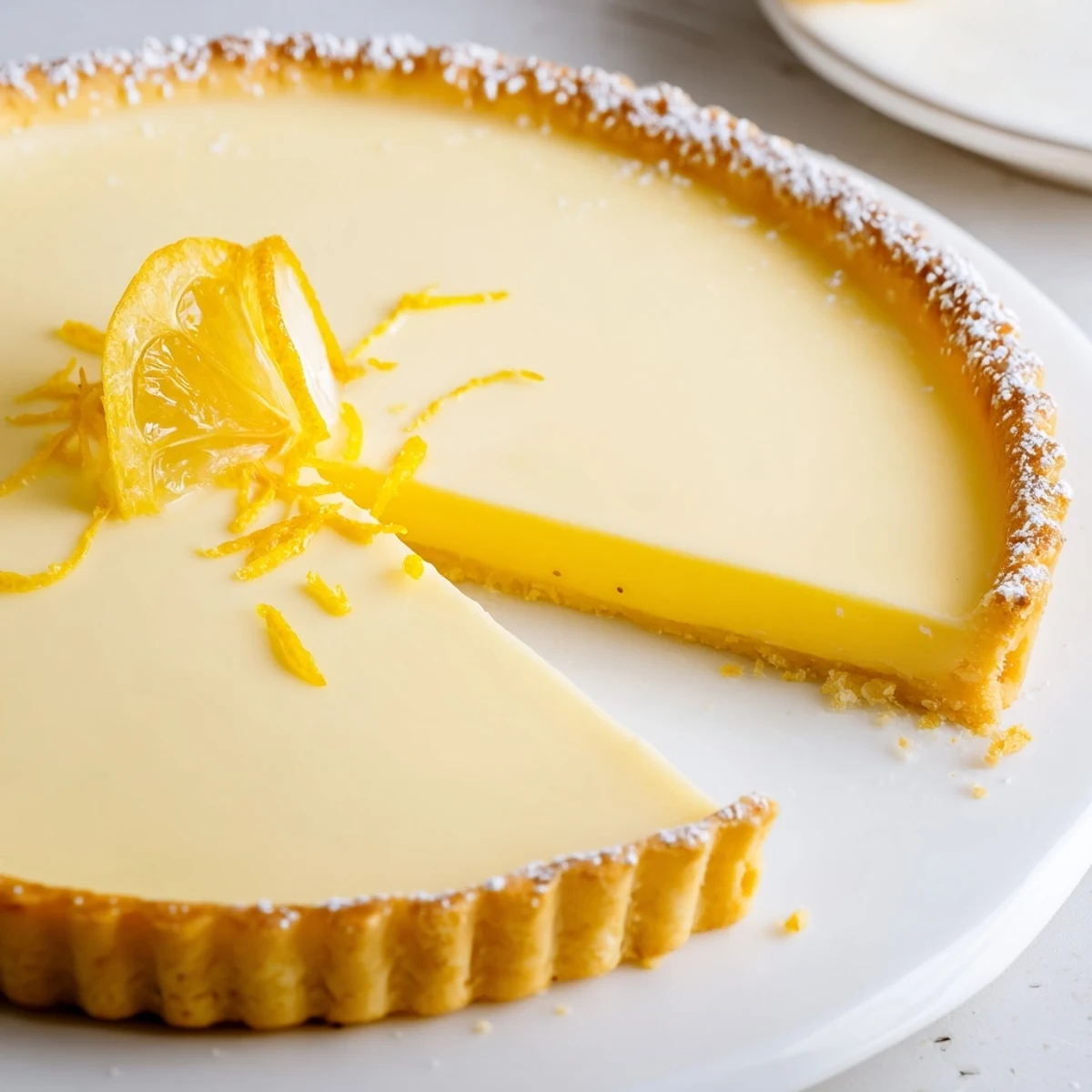 Pin This
 This lemon tart is my kind of kitchen magic: simple, forgiving, and always a crowd-pleaser whether dressed up or not. Here's to a moment of brightness in every creamy, zesty bite.
Recipe FAQs
- → How do I prevent a soggy crust?
-
Work cold butter into the flour, chill the formed dough, and blind-bake the shell with parchment and weights until golden. Docking the base and freezing briefly before baking also helps keep it crisp.
- → Can I make a gluten-free crust?
-
Use a reliable gluten-free flour blend and reduce added liquid slightly. Chill the dough well and blind-bake as usual; you may need a few extra minutes depending on the blend.
- → How can I tell when the filling is done?
-
The edges should look set and firm while the center still has a slight jiggle. It will continue to set as it cools and chills, so avoid baking until fully firm to prevent curdling.
- → Can I substitute other citrus?
-
Yes. Lime or a mix of orange and lemon can be used, but adjust sugar to balance acidity and taste. Zest adds concentrated aroma even when changing juices.
- → What’s the best way to store and make ahead?
-
Cover and refrigerate the tart for up to 2–3 days. For longer storage, freeze uncut slices wrapped tightly; thaw in the fridge before serving and refresh with a light dusting of sugar or fresh berries.
- → How do I avoid curdling the filling?
-
Whisk eggs, yolks and sugar gently, temper any warm liquids slowly, and bake at a moderate temperature. Straining the mixture before pouring into the shell removes any bits and ensures a silky finish.