 Pin This
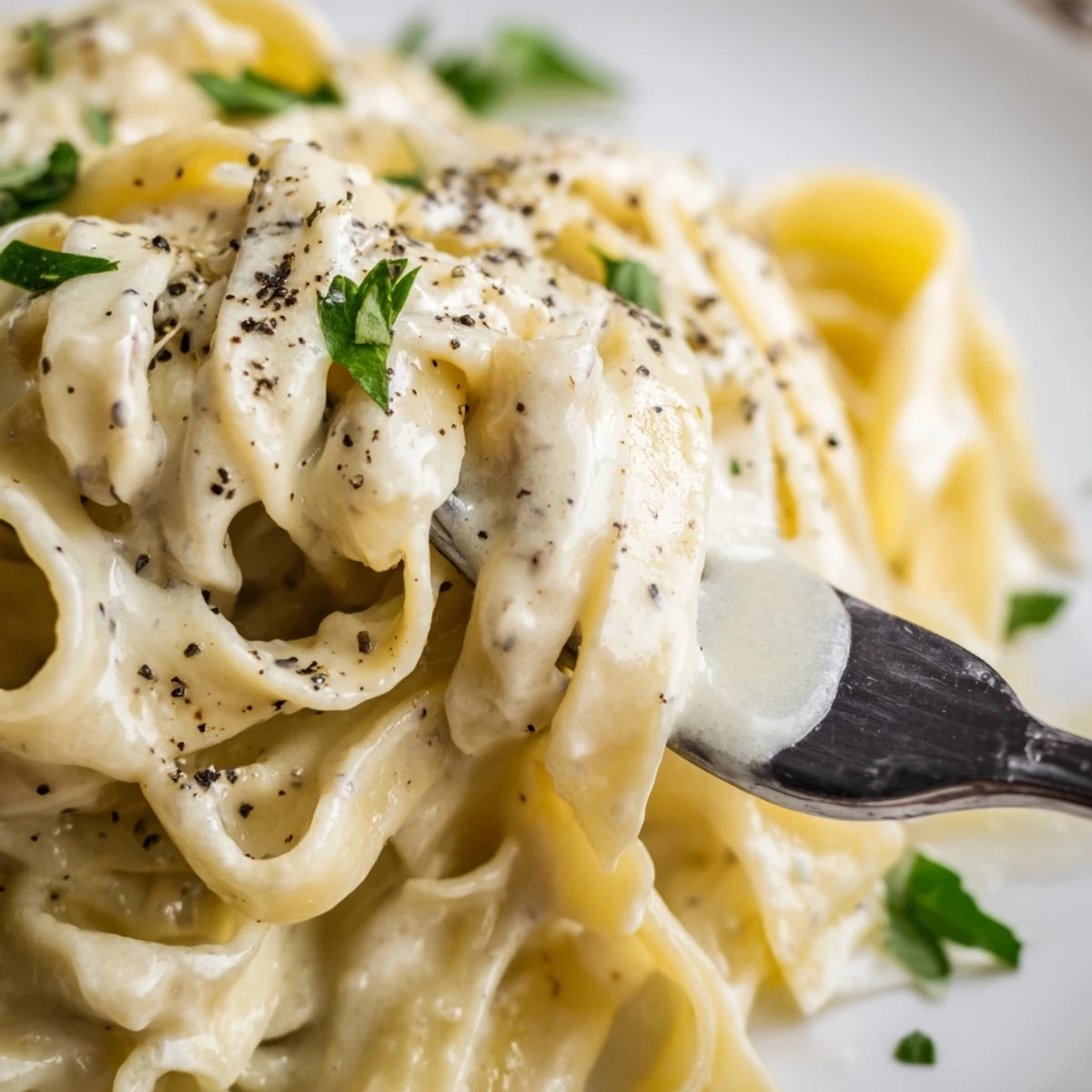
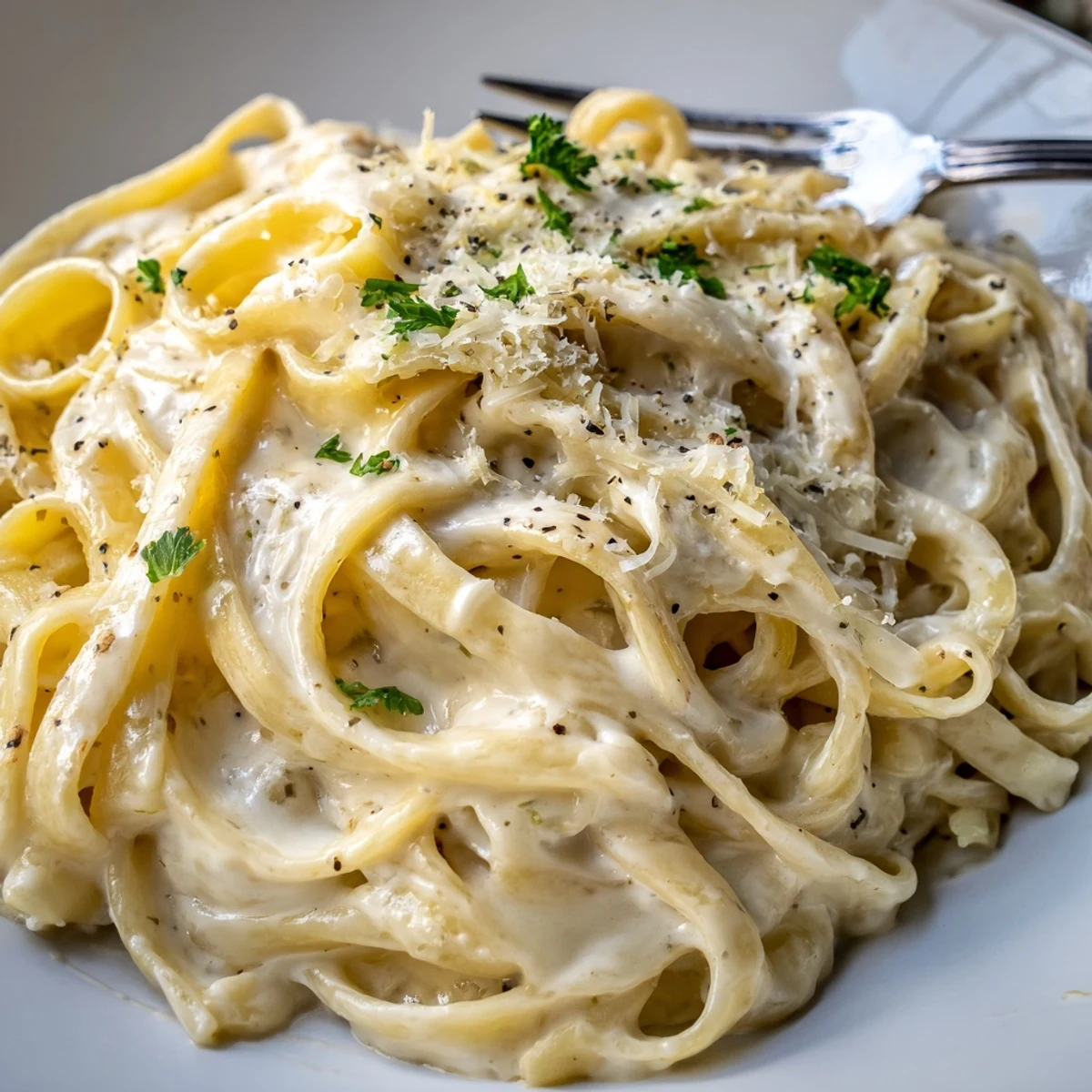
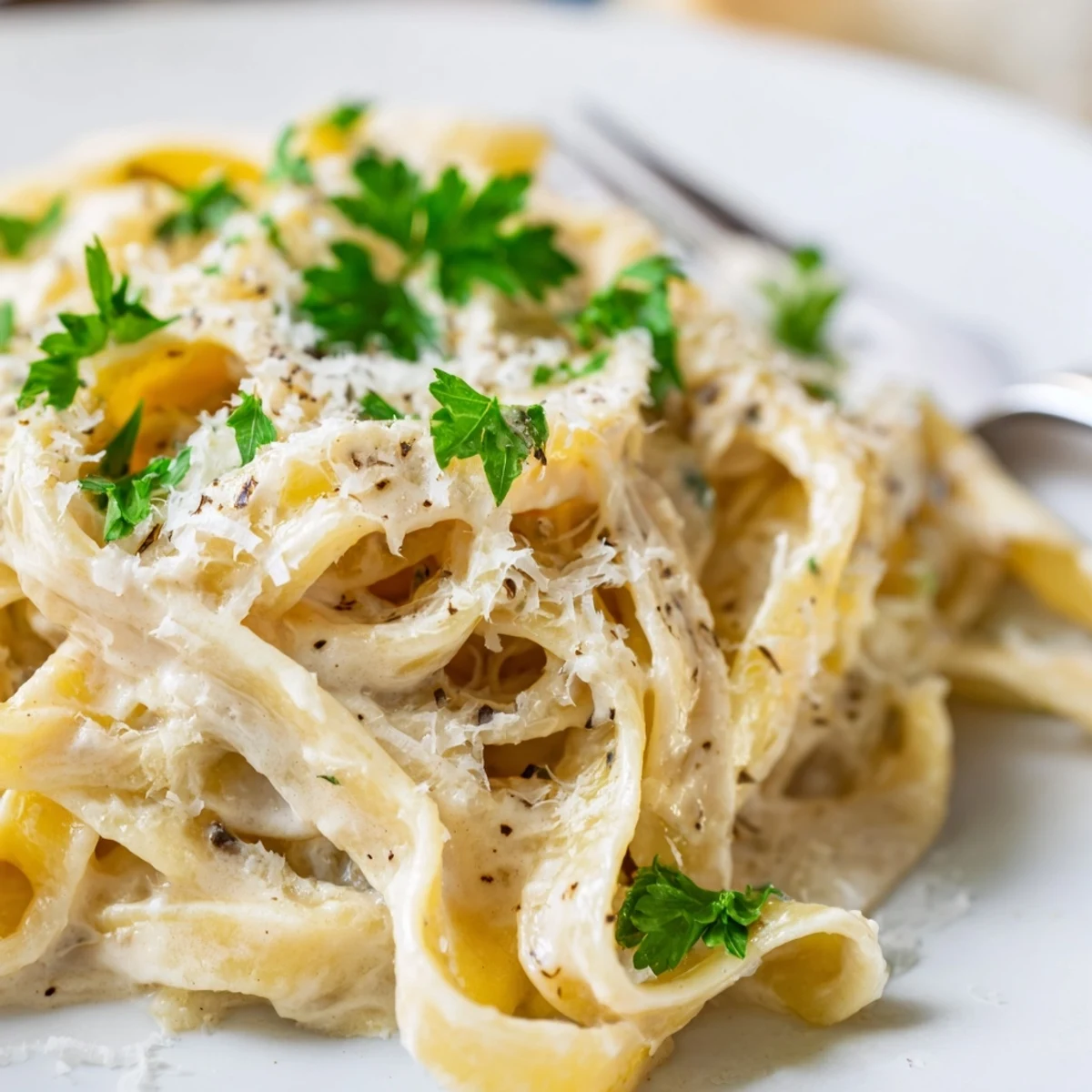
 This dish features perfectly cooked pasta enveloped in a rich, creamy sauce infused with garlic and Parmesan. The sauce is made by sautéing garlic in butter, then simmering heavy cream with cheese and a hint of nutmeg. Tossing the pasta in this luscious sauce creates a comforting yet elegant meal suitable for any occasion. Garnish with fresh parsley and extra Parmesan for added flavor and visual appeal.
There's something about a bowl of silky pasta that just stops the chaos of the day. I made this sauce for the first time on a Wednesday evening when I'd promised dinner but had no plan, and somehow those simple ingredients—butter, cream, garlic—turned into something so satisfying that my partner asked for it again the next week. Now it's become my go-to when I need something elegant without the fuss, when the kitchen needs to feel like a refuge rather than a battle.
I remember standing at the stove with my sister, watching the cream bubble gently as she talked about her week, and realizing that the best cooking happens when you're not rushing. She kept stealing bites of Parmesan straight from the wedge while we waited, and by the time we sat down, she'd already decided this was her new favorite way to eat pasta.
Ingredients
- Pasta (350 g fettuccine or spaghetti): Use a shape that clings to sauce—fettuccine ribbons are ideal, but spaghetti works beautifully too. I've learned that slightly thicker pasta holds this silky sauce better than delicate angel hair.
- Unsalted butter (2 tbsp): Don't skip the unsalted; you need control over the salt level, and good butter is worth tasting on its own.
- Garlic (2 cloves, minced): Mince it fine so it disappears into the sauce, becoming flavor rather than chunks you'll bite into.
- Heavy cream (250 ml): This is non-negotiable for the silky texture, though I've noted below how to lighten it if you want.
- Parmesan cheese (60 g grated): Grate it fresh if you can bear it—the pre-shredded kind has anti-caking agents that don't emulsify as smoothly into the sauce.
- Black pepper (1/2 tsp freshly ground): Grind it right before using; it makes an actual difference in how bright the sauce tastes.
- Nutmeg (1/4 tsp, optional): A whisper of nutmeg deepens the sauce in a way people can't quite identify, and they like that mystery.
- Fresh parsley (2 tbsp chopped) and extra Parmesan for serving: These finishing touches keep the dish feeling fresh despite all that cream.
Instructions
- Get your water boiling:
- Fill a large pot with salted water—it should taste like the sea—and bring it to a rolling boil. This is where the pasta's flavor starts, so don't skip this step or rush it.
- Cook the pasta to al dente:
- Follow your package instructions but taste it a minute or two before the time's up. You want it soft but with a tiny bit of resistance when you bite into it, because it'll continue cooking slightly when you toss it with the hot sauce. Reserve a cup of pasta water before draining—this starchy liquid is your secret weapon for adjusting the sauce consistency.
- Start your sauce while the pasta cooks:
- Melt the butter over medium heat in a large skillet, then add your minced garlic and let it sauté for exactly one minute until it smells incredible but hasn't started to brown. Timing matters here; burnt garlic tastes bitter and ruins the whole thing.
- Gently simmer the cream:
- Pour in the heavy cream and let it bubble softly for a few minutes, stirring now and then. This is when the sauce begins to feel velvety and important.
- Introduce the cheese and spices:
- Whisk in the grated Parmesan, black pepper, and a pinch of nutmeg if you're using it, then let everything simmer together for another couple of minutes until the sauce thickens just slightly. Watch how it transforms from loose cream into something cohesive and glossy.
- Bring the pasta and sauce together:
- Add your drained pasta directly to the skillet and toss everything together using tongs or two forks, making sure every strand gets coated. If the sauce seems too thick, add pasta water one splash at a time until it flows around the pasta like silk.
- Taste and finish:
- Before serving, taste the whole thing and add salt if needed—you might be surprised how much difference those final pinches make. Top with fresh parsley and a shower of extra Parmesan, then serve immediately while it's still hot.
 Pin This
 The last time I made this, someone asked if I'd learned it from my grandmother, and I had to laugh because I invented it from desperation and curiosity one random evening. But that's exactly when the best dishes are born—not from tradition necessarily, but from the moment you realize that something simple and honest can feed people you care about.
Why This Sauce Works
A good cream sauce doesn't need much to be extraordinary. The butter and garlic build a flavor foundation, the cream creates texture, and the Parmesan adds that essential salty, umami note that makes people ask for seconds. The magic is in not overcomplicating it and in understanding that every component has a job—nothing is there just for show.
Making It Your Own
This sauce is a canvas, honestly. I've stirred in sautéed mushrooms and watched the earthy flavors deepen the whole dish, or tossed in handfuls of fresh spinach in the final moments so it wilts into the cream. Once I added cooked chicken and felt like I'd made something restaurant-worthy, though the truth is that the simplest version—just pasta and sauce—is often the most satisfying.
Lighter Versions and Variations
If heavy cream feels too much for you, half-and-half creates a lighter version that's still creamy and delicious, though the sauce won't thicken quite as much. You can also add a splash of white wine to the cream for a subtle acidity that brightens everything, or finish with a squeeze of fresh lemon juice right before serving.
- For a lighter sauce, swap half the cream for whole milk or use half-and-half instead, though the texture will be thinner.
- Fresh herbs like basil or thyme stirred in at the end add complexity without heaviness.
- A tiny pinch of lemon zest just before serving keeps the richness from feeling cloying.
 Pin This
 This pasta has become my reminder that the most satisfying meals don't need to be complicated. It's taught me that cooking for people you care about is as much about showing up and being present as it is about technique.
Recipe FAQs
- → What type of pasta works best?
-
Fettuccine or spaghetti are ideal as they hold the creamy sauce well, but any long pasta will work.
- → Can I make the sauce lighter?
-
Substituting half-and-half for heavy cream reduces richness while maintaining a smooth texture.
- → How to prevent the sauce from thickening too much?
-
Reserve some pasta cooking water and add it gradually to adjust the sauce consistency as needed.
- → Are there suggested additions for variation?
-
Sautéed mushrooms, spinach, or cooked chicken can be added to enhance flavor and texture.
- → What is the best way to season the dish?
-
Salt to taste after combining pasta and sauce; freshly ground black pepper enhances the overall flavor.