 Pin This
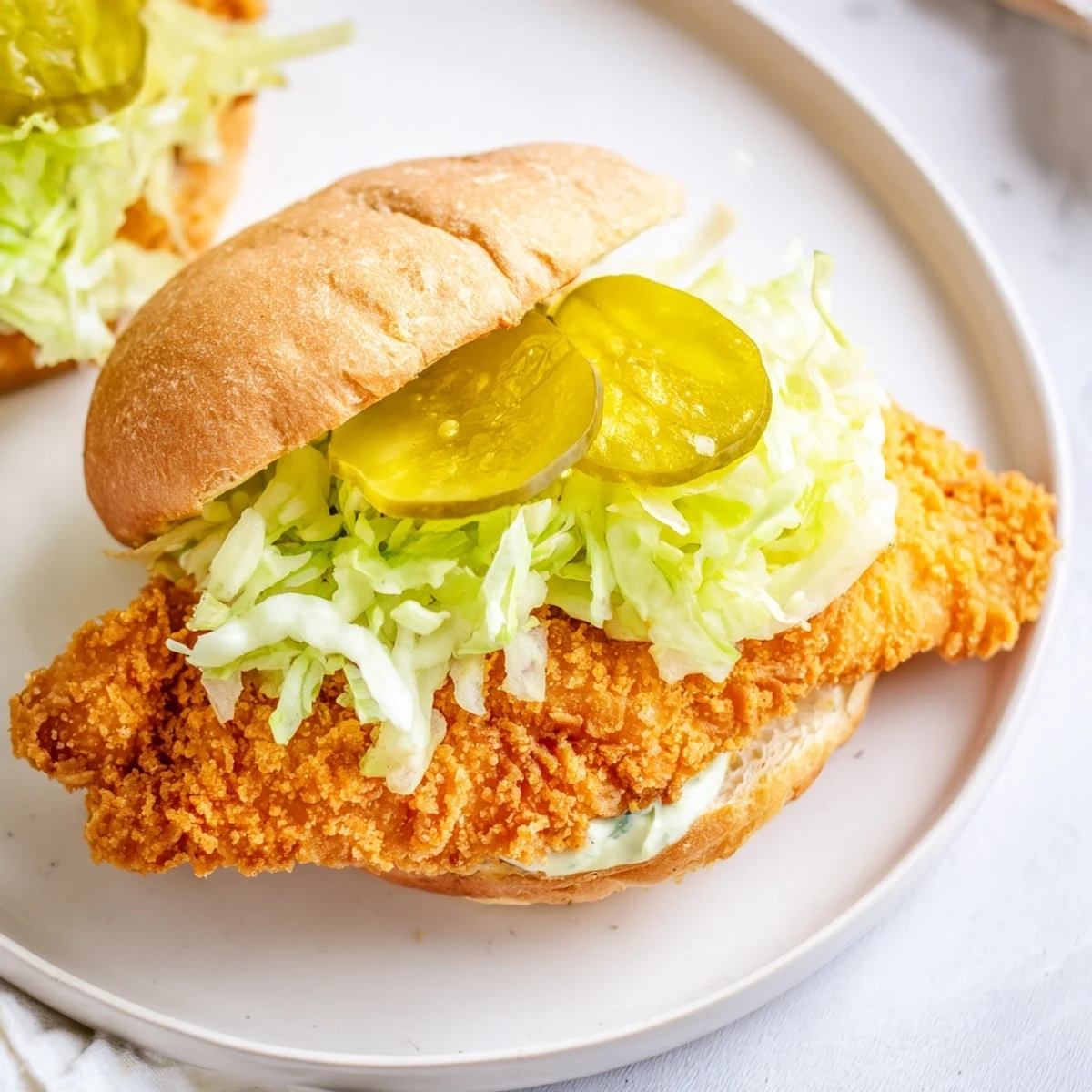
 This sandwich features buttermilk-marinated chicken breasts, double-coated in a seasoned flour-cornstarch blend and fried until golden brown. The fresh dill in both the marinade and creamy mayo creates a bright, herbaceous flavor that pairs perfectly with tangy pickles and crisp lettuce. Serve on lightly toasted brioche buns for the ultimate handheld meal that's ready in under an hour.
The first time I made these sandwiches, my kitchen smelled like a state fair at midnight. That dill hitting the hot oil creates something magical. My roommate wandered in, demanded to know what was happening, and ended up staying for dinner. We ate standing up at the counter because neither of us wanted to wait to set the table.
I once served these at a summer cookout when the grill unexpectedly died. Everyone was disappointed until they took their first bite. Now my friends actually request these over burgers. The secret is definitely that dill mayo. I make extra because people put it on everything.
Ingredients
- 4 boneless, skinless chicken breasts: About 150 g each, pound them to even thickness so they cook evenly and stay juicy
- 1 cup buttermilk: The tang works with fresh dill to tenderize and infuse the chicken from the inside out
- 1 tablespoon fresh dill, chopped: Fresh is non negotiable here, dried dill will not give you that vibrant punch
- 1 teaspoon garlic powder: Rounds out the marinade with savory depth
- 1 teaspoon onion powder: Sweet savory balance to the dill
- 1 teaspoon salt: Essential for bringing out all the flavors
- ½ teaspoon black pepper: Just enough heat to make things interesting
- 1 cup all-purpose flour: The base of your crispy coating
- ½ cup cornstarch: This is the secret to extra crunch, do not skip it
- 1 teaspoon smoked paprika: Adds subtle smokiness that pairs beautifully with dill
- Vegetable oil: For frying, canola or peanut oil work great too
- ½ cup mayonnaise: Real mayo makes the best sauce base
- 1 tablespoon fresh dill, chopped: More fresh dill for that killer mayo
- 1 tablespoon lemon juice: Brightens up the rich sauce perfectly
- 1 teaspoon Dijon mustard: Adds a sharp edge that cuts through the creaminess
- 4 brioche buns, split: Brioche is soft and slightly sweet, ideal for these sandwiches
- 8 to 12 dill pickle slices: Tangy crunch to balance the fried chicken
- 1 cup shredded iceberg lettuce: Adds cool crisp contrast to the hot chicken
Instructions
- Marinate the chicken:
- Whisk buttermilk with fresh dill, garlic powder, onion powder, salt, and pepper in a large bowl. Submerge chicken breasts and let them soak up flavors for at least 30 minutes, or up to 4 hours if you have time.
- Prepare your breading station:
- In a shallow dish, combine flour, cornstarch, smoked paprika, salt, and pepper. Whisk until everything is evenly distributed.
- Coat the chicken:
- Lift chicken from marinade, letting excess drip off. Press each piece into the flour mixture firmly so it really adheres. Place coated pieces on a tray and let them rest for 5 minutes.
- Fry to golden perfection:
- Heat oil to 175°C in a deep fryer or skillet. Fry chicken for 4 to 5 minutes per side until deep golden and the internal temperature reaches 74°C. Drain on paper towels.
- Whisk up the dill mayo:
- Combine mayonnaise, fresh dill, lemon juice, Dijon, garlic powder, salt, and pepper in a small bowl. Stir until smooth and creamy.
- Build your masterpiece:
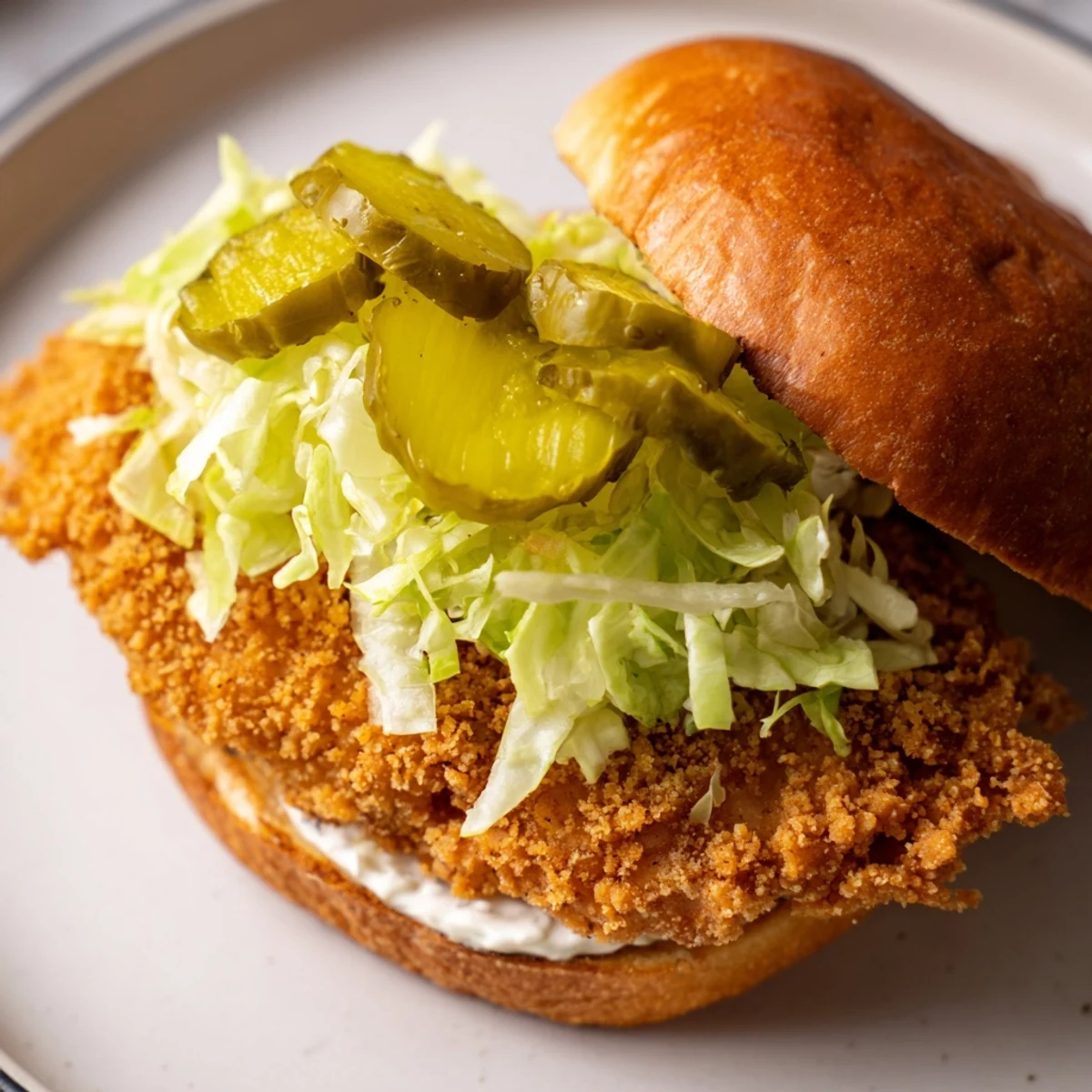
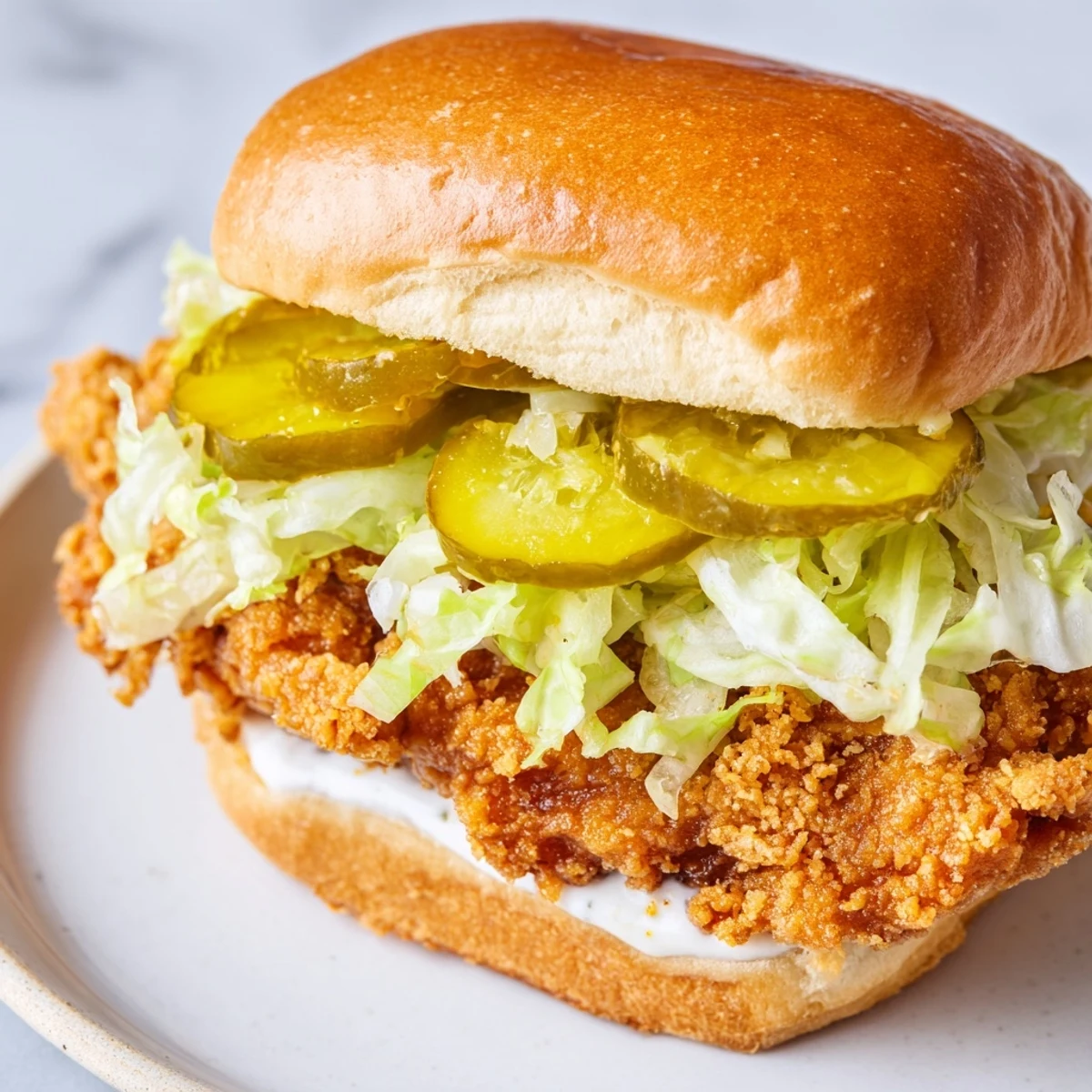
- Toast the brioche buns until lightly golden. Spread dill mayo on both halves. Layer lettuce and pickles on bottom, add that crispy chicken, maybe some tomato. Top with the bun and serve immediately.
 Pin This
 These became our Sunday ritual after that grill disaster. Something about the combination of hot crispy chicken, cool tangy pickles, and that herby mayo makes everything feel okay. Even on bad days.
Making It Extra Crispy
Double coating creates that restaurant style crunch that stays crisp even after the chicken cools slightly. Dip back into buttermilk, then flour again before frying. It adds an extra layer that makes all the difference.
Lighten It Up
Swap Greek yogurt for half the mayonnaise in the dill sauce. You still get the creamy texture and bright flavors, but with less guilt. I actually prefer it this way now.
What To Serve Alongside
Oven baked fries with dill salt are obvious, but a fresh green salad with vinaigrette cuts through the richness beautifully. On summer nights I just do extra pickles and call it a day.
- Keep extra dill mayo in the fridge, it elevates everything from burgers to roasted potatoes
- If chicken breasts are thick, pound them to even thickness before marinating for uniform cooking
- These reheat surprisingly well in a 180°C oven for 10 minutes if you somehow have leftovers
 Pin This
 Every time I make these now, I think about how a failed cookout led to my favorite sandwich recipe. Funny how the best discoveries happen when things do not go according to plan.
Recipe FAQs
- → How do I get the crispiest chicken coating?
-
Double-dip the chicken by returning it to the buttermilk marinade after the first flour coating, then dredge again. Letting the coated chicken rest for 5 minutes before frying also helps the coating adhere better and creates extra crunch.
- → Can I bake the chicken instead of frying?
-
Yes, place the coated chicken on a wire rack over a baking sheet and spray generously with oil. Bake at 425°F (220°C) for 20-25 minutes, flipping halfway through. The texture will be different but still delicious.
- → How long should I marinate the chicken?
-
Marinate for at least 30 minutes for the buttermilk to tenderize the meat. For the best flavor penetration, marinate up to 4 hours in the refrigerator. Any longer than 4 hours may make the texture mushy.
- → What can I use instead of buttermilk?
-
Mix 1 cup of regular milk with 1 tablespoon of white vinegar or lemon juice and let it sit for 5-10 minutes until thickened. This creates a homemade buttermilk substitute that works perfectly for tenderizing.
- → How do I know when the chicken is fully cooked?
-
Use a meat thermometer to check the internal temperature reaches 165°F (74°C). If you don't have a thermometer, cut into the thickest part—the juices should run clear and the meat should be opaque throughout, not pink.