
 Pin This
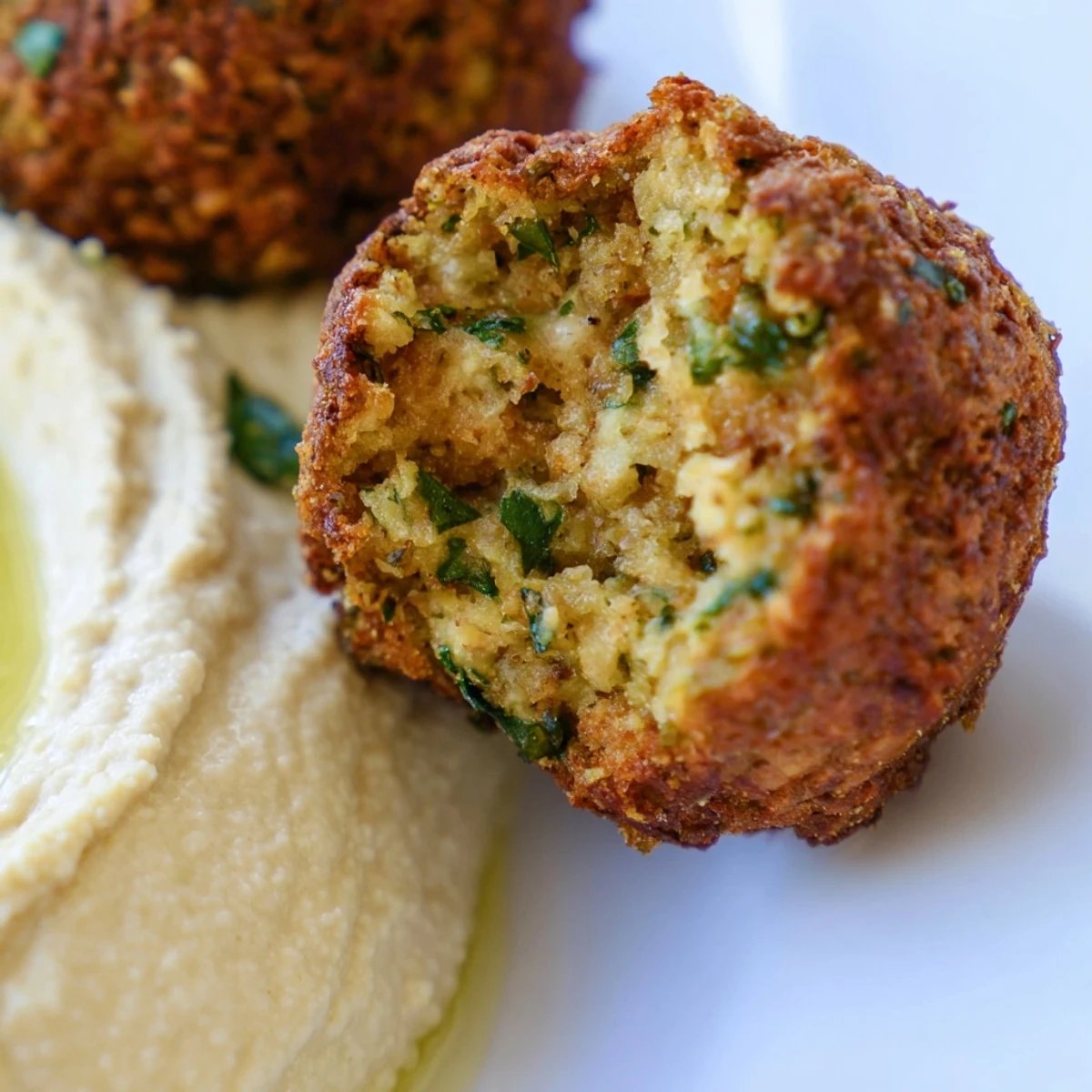
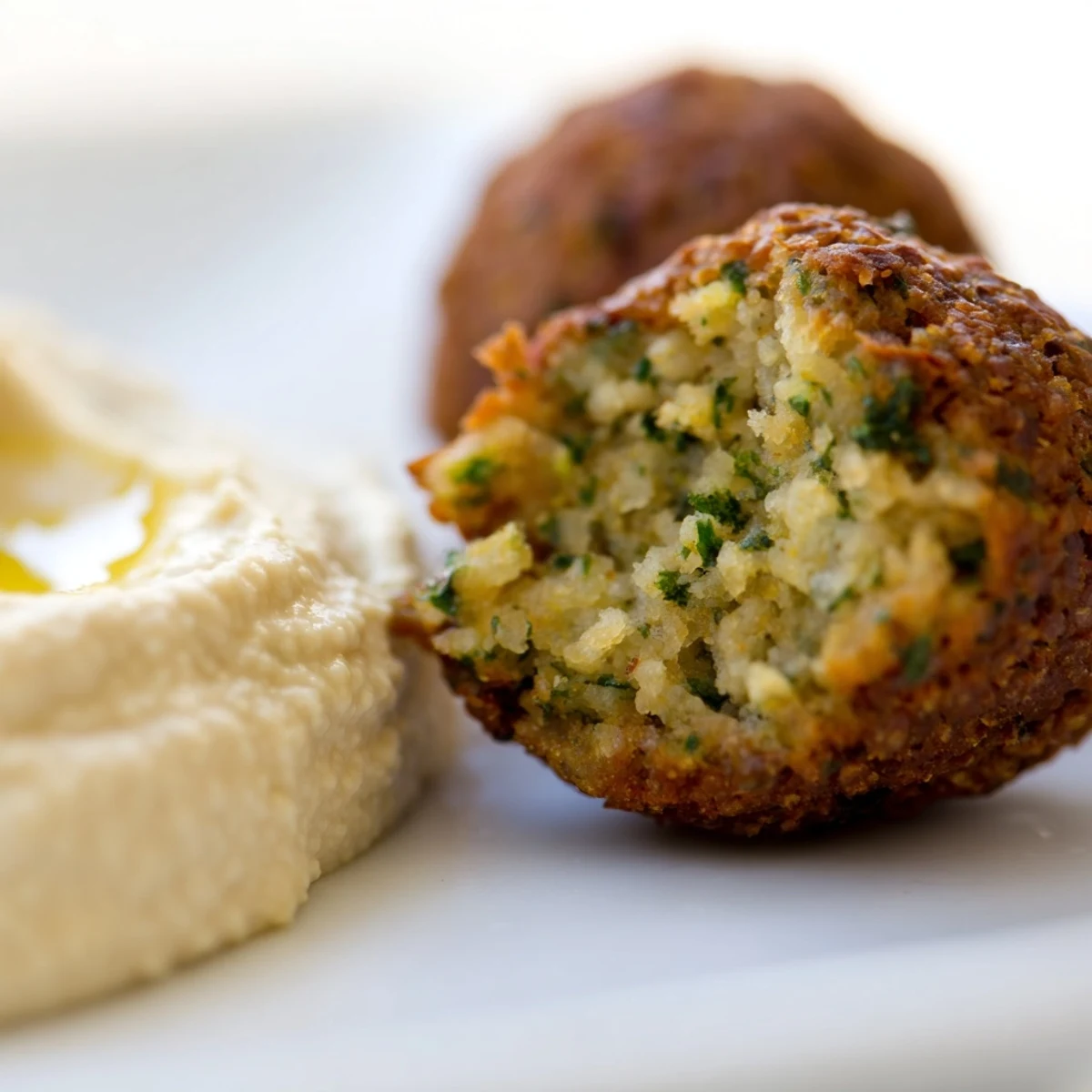
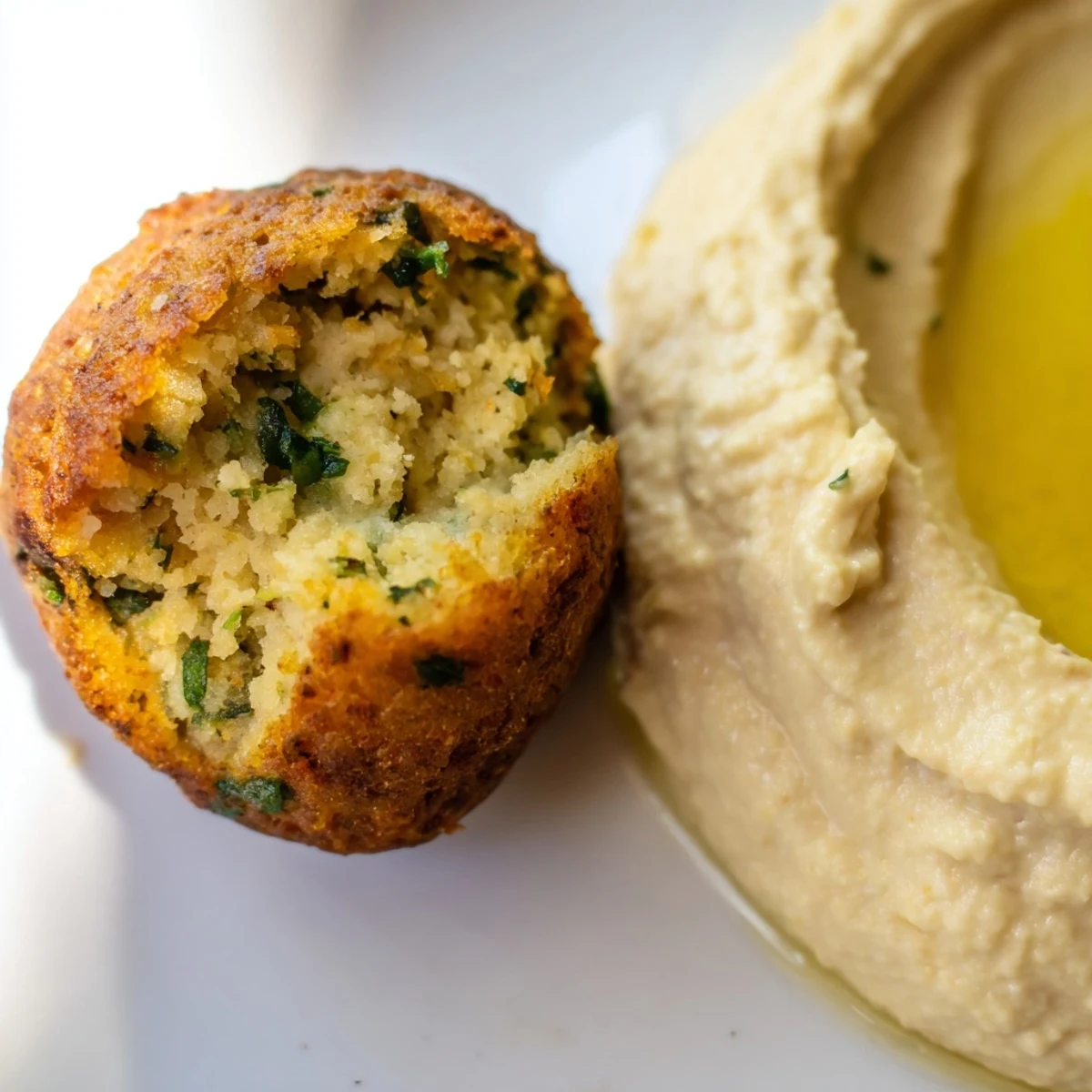
 This dish features golden, crispy falafel shaped from chickpeas, fresh parsley, cilantro, mint, and fragrant spices. After soaking and blending the base ingredients, the falafel is pan-fried until crunchy and delightful. Accompanying the falafel is smooth, creamy hummus blended with tahini, lemon, olive oil, and garlic for a tangy balance. Served with sliced vegetables and warm pita or gluten-free flatbread, it's a vibrant, herb-filled option perfect for sharing or as a flavorful main course.
My friend Samir brought a container of falafel to a potluck, and I watched people return to it three times. The outside crackled between their teeth, and the inside stayed tender and bright green with herbs—nothing like the dense, bland versions I'd tried before. He laughed when I asked for the recipe, saying the secret wasn't a secret at all: fresh herbs, dried chickpeas, and not overshadowing them with too much flour. That afternoon changed how I thought about this dish.
I made this for my partner on a Tuesday night when we both needed something comforting but not heavy. The smell of the herbs hitting hot oil filled the kitchen with this green, herbaceous cloud that made us both pause and just breathe it in. We sat on the counter eating them straight from the paper towels, dunking them in hummus still warm from the blender, and didn't even bother plating.
Ingredients
- Dried chickpeas (1 1/2 cups, soaked overnight): Soaking them overnight keeps them tender inside while the outside crisps up—canned chickpeas will fall apart because they're already cooked.
- Fresh parsley, cilantro, and mint (3 cups total): These three herbs are what make falafel taste alive; don't skimp or substitute dried herbs, which turn bitter when fried.
- Onion and garlic (1 small onion, 3 cloves): They break down into the mixture and add sweetness and depth that balances the spices.
- Cumin and coriander (1 tsp each): Toast them in a dry pan first if you have time to wake up their warmth, but ground works fine in a pinch.
- Baking powder (1/2 tsp): This tiny amount creates lift, making the falafel fluffy rather than dense; don't miss it.
- Chickpea flour (2-3 tbsp): Use just enough to help everything bind, or you'll end up with thick, doughy falafel instead of light and crispy.
- Tahini (1/3 cup): The backbone of hummus; it should smell toasty, not rancid or flat.
- Lemon juice (2 tbsp for hummus): Fresh lemon makes hummus silky and bright; bottled juice tastes flat by comparison.
- Cold water (2-4 tbsp): Add it slowly while blending so the hummus becomes cloud-like instead of thick and gluey.
Instructions
- Pulse the herbs and chickpeas until crumbly, not smooth:
- Throw the soaked chickpeas, onion, garlic, and all those fresh herbs into a food processor and pulse in short bursts, stopping to scrape the sides. You want it to look like coarse breadcrumbs, with flecks of green visible—if you blend it into a paste, the falafel will be dense and heavy.
- Mix in the binder and let it rest:
- Fold in the baking powder and chickpea flour with your hands until the mixture just holds together when you squeeze it. If it's crumbly, add another tablespoon of flour, but go easy—more flour means denser falafel.
- Shape and chill if you have time:
- Roll the mixture into walnut-sized balls or press into patties about the size of a golf ball. If you can slip them into the fridge for 30 minutes, they'll hold together better when they hit the hot oil.
- Heat the oil to exactly 350°F:
- Use a thermometer if you have one; too cool and they'll absorb oil and feel greasy, too hot and they'll burn outside while staying raw inside. When the oil is ready, a tiny pinch of the mixture should sizzle and float to the top right away.
- Fry in batches and listen for the sound:
- Don't crowd the pan; give each falafel space to turn golden. After about 3 minutes, they should be deep brown and sound hollow when you tap them with a spoon. Transfer them to paper towels and sprinkle with salt while still hot.
- Blend the hummus until it's almost airy:
- Blitz the drained chickpeas, tahini, lemon juice, olive oil, garlic, and salt until smooth, then slowly drizzle in cold water with the motor running. The hummus should lighten in color and texture as you add water—stop when it's creamy and a little fluffy, not dense like peanut butter.
 Pin This
 A few years ago, I brought these to a gathering where I didn't know many people, and they became the thing everyone kept talking about for the rest of the night. Watching someone's face when they bit into one—that moment when they realized falafel could taste this green and herbaceous—felt like sharing something real.
Why This Tastes Different From Store-Bought
Store-bought falafel sits in plastic clamshells and gets reheated, which turns the herbs muddy and dull. Fresh-made falafel, still warm, tastes like a completely different dish—the herbs are still sharp and alive, and the texture is almost delicate. Homemade hummus tastes brighter too because there's no preservative film sitting over the flavors.
Making It Your Own
The herb ratio is flexible; if you're wild about cilantro, use more cilantro and less mint. If you like heat, don't make the cayenne optional. Some people add a tablespoon of dill or a pinch of sumac to either the falafel or hummus for a different angle.
Serving and Storage
Falafel tastes best warm, straight from the oil, but you can make them ahead and reheat them in a 350°F oven for 8–10 minutes until they crackle again. Hummus keeps in the fridge for 5 days and actually tastes better the next day when the flavors settle in. Set up a little platter with the warm falafel, hummus, sliced vegetables, fresh herbs, and warm pita, and let people build their own bites.
- If your falafel comes out oily, your oil wasn't hot enough; crank the heat up for the next batch.
- Drizzle extra olive oil over the hummus before serving—it sounds fancy but it's the move that makes people think you went to a restaurant.
- Make extra hummus; it disappears faster than you'd expect.
 Pin This
 These falafel and hummus have become the thing I make when I want to feel like I'm cooking something special without it being complicated. There's something generous about putting these on a table for people to share.
Recipe FAQs
- → How do I ensure falafel holds together when frying?
-
Use chickpea flour as a binder and refrigerate the shaped falafel patties before frying to help them hold their shape.
- → Can falafel be baked instead of fried?
-
Yes, brush falafel patties with oil and bake at 400°F (200°C) for 20–25 minutes, turning once for a lighter result.
- → What ingredients add fresh herb flavors to the falafel?
-
Fresh parsley, cilantro, and mint leaves create the vibrant herbaceous taste in the falafel.
- → How is hummus kept creamy and smooth?
-
Blending chickpeas with tahini, lemon juice, olive oil, garlic, and cold water gradually creates a smooth, creamy texture.
- → Can this dish be made gluten-free?
-
Yes, use chickpea flour certified gluten-free and serve with gluten-free flatbread or pita alternatives.