
 Pin This
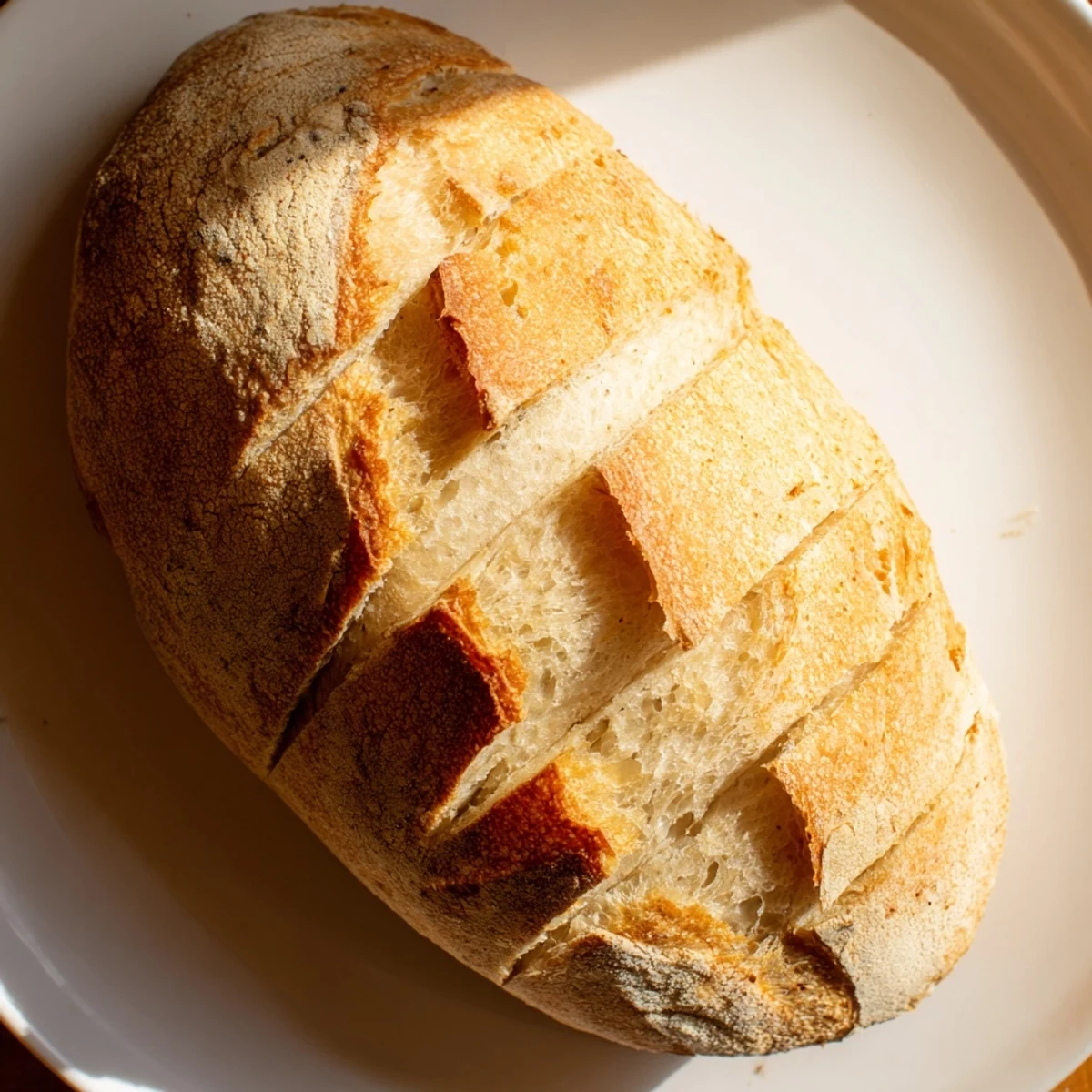
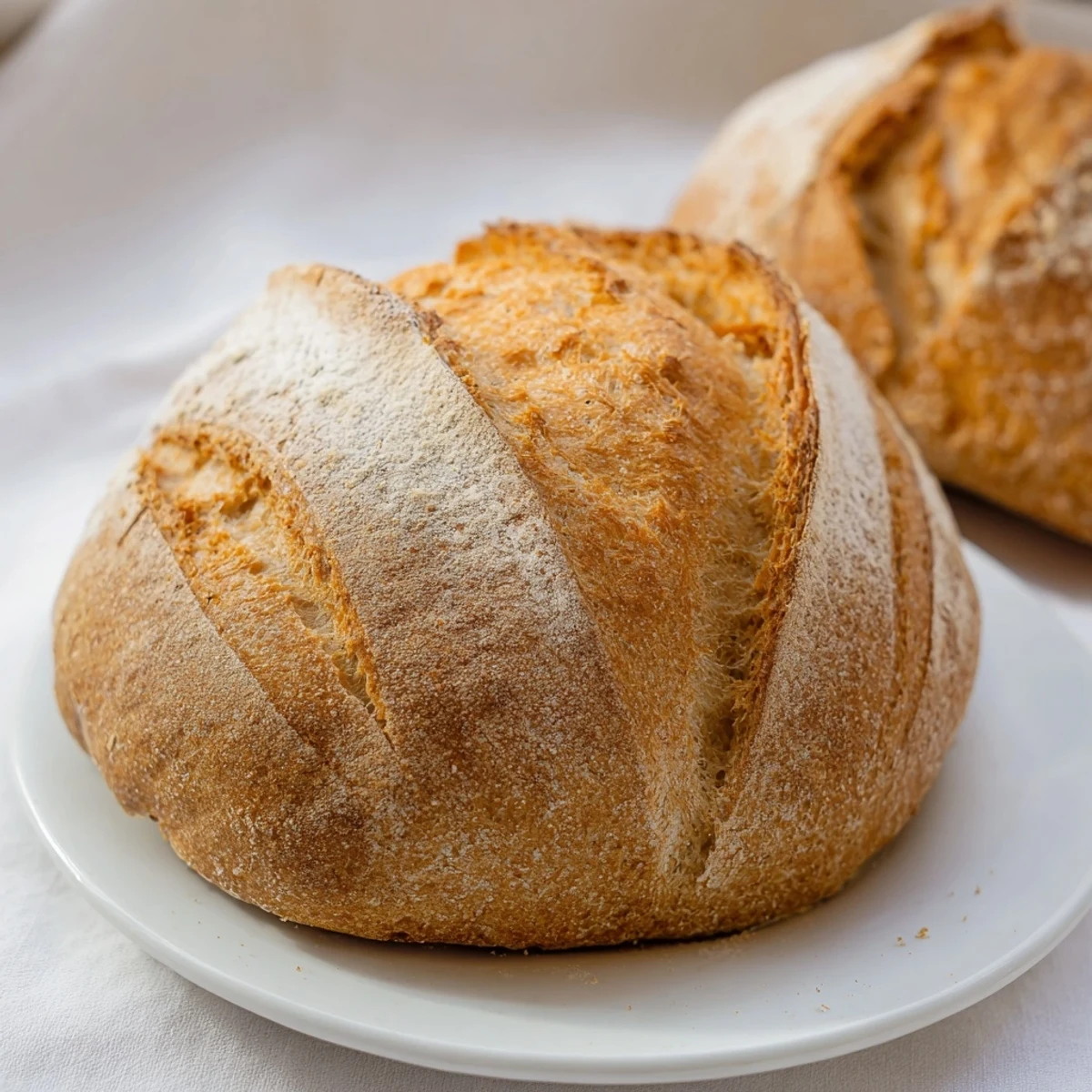
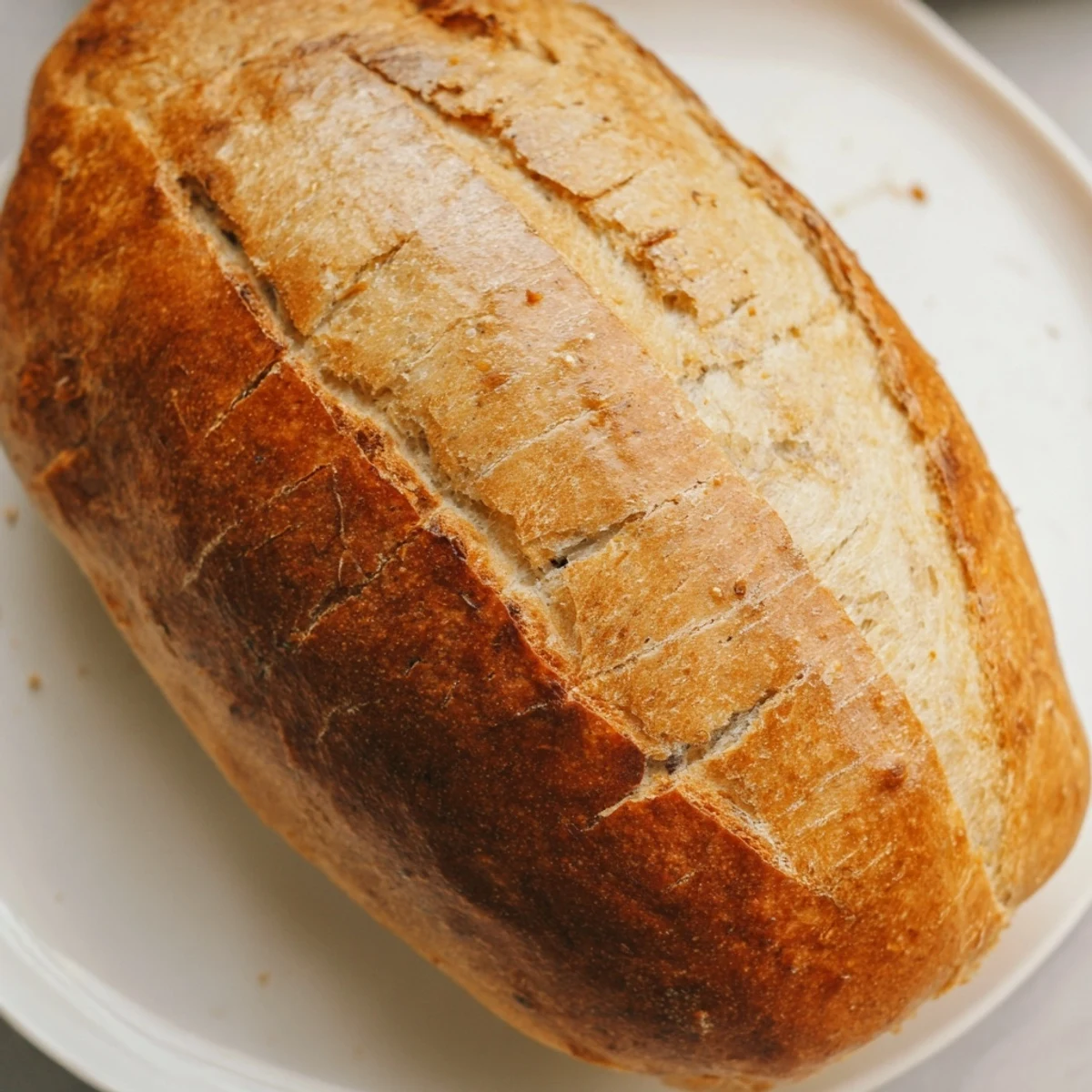
 Create bakery-worthy Italian bread at home with a perfectly golden, crackly crust and tender, chewy crumb inside. This traditional loaf delivers that irresistible combination of crispy exterior and soft, airy interior that makes artisan breads so special. The steam-baking technique ensures professional results with characteristic oven spring and deep color. Perfect alongside pasta dishes, for panini sandwiches, or simply torn and dipped in quality olive oil.
The smell of yeast blooming in warm water instantly transports me back to my tiny first apartment kitchen, where I attempted bread baking with more enthusiasm than skill. My early loaves were dense and heavy, but something about the alchemy of flour and water hooking me completely. Now, after years of flour-dusted experiments, this Italian bread has become my Sunday afternoon ritual. Theres nothing quite like pulling a golden crust from the oven and hearing that hollow tap that tells you youve nailed it.
Last winter, my neighbor smelled this bread baking and actually knocked on my door to ask what was creating that incredible aroma. We ended up sharing the still-warm loaf with olive oil and talking over our back fence for an hour. Food has this way of building bridges between people, especially when it's something as universally beloved as fresh bread. Now I make a double batch whenever I know company's coming.
Ingredients
- Bread flour: Higher protein content than all-purpose gives this loaf its signature chew and structure
- Active dry yeast: Make sure it's fresh and watch for that foamy bloom that tells you it's alive
- Warm water: Think bath temperature, about 105°F—too hot kills the yeast, too cold wakes it slowly
- Olive oil: Adds subtle richness and keeps the crumb tender
- Salt: Don't be tempted to reduce this, it's crucial for flavor and controls fermentation
- Sugar: Just enough to feed the yeast and help develop that beautiful golden color
- Cornmeal: Optional but keeps the bottom from sticking and adds a nice crunch
Instructions
- Wake up the yeast:
- Stir yeast and sugar into your warm water and let it sit until foamy, about 5 to 10 minutes
- Build the foundation:
- Mix flour and salt in a large bowl, create a well in the center, then pour in the yeast mixture and olive oil
- Bring it together:
- Stir with a wooden spoon until shaggy, then turn onto a floured surface and knead for 8 to 10 minutes until smooth and elastic
- First rise:
- Place dough in an oiled bowl, cover, and let rise in a warm spot until doubled, about 1 to 1.5 hours
- Shape the loaf:
- Punch down gently, form into a tight oval or round, and place on parchment paper or cornmeal-dusted surface
- Second rise:
- Cover loosely and let rest another 45 minutes while you preheat oven to 425°F
- Prep for drama:
- Put an empty metal pan on the lowest rack and slash your loaf's top with a sharp knife
- Create steam:
- Pour hot water into the empty pan immediately before sliding in your bread
- Bake to golden:
- Bake 30 to 35 minutes until deep golden brown and hollow-sounding when tapped
- Cool completely:
- Let cool on a wire rack—slicing too soon will steam the crumb and make it gummy
 Pin This
 This bread became a regular request from my dad, who grew up watching his Italian grandmother make bread every Sunday. He said the smell alone took him back to her kitchen in Brooklyn, pulling apart warm loaves with butter melting into every crumb. Now whenever I visit him, I bring a fresh loaf and we recreate that memory together, just talking and eating until nothing is left but crumbs.
The Secret to Perfect Scoring
I used to be terrified of slashing my dough, worried I'd ruin all that hard work. But scoring isn't just decorative—it gives the bread a controlled place to expand in the oven. Use your sharpest knife and hold it at a 45-degree angle, making confident swift cuts about a quarter-inch deep. The loaf will open beautifully along those lines, creating that rustic artisan look.
Understanding Steam
The steam creates a burst of moisture that keeps the crust soft in the first minutes of baking, allowing the bread to expand fully before hardening. Professional bakeries have steam injection systems, but that hot water pan works surprisingly well. Just be careful when pouring—the steam can be intense and you want to avoid burns while trying to be a home baker hero.
Storing and Freezing
This bread is best eaten the first day, but I've learned to slice and freeze what we won't finish immediately. Frozen slices toast up beautifully, almost like fresh. Just wrap them tightly in plastic and then foil, and they'll keep for a month. That means you can have incredible bread for toast or sandwiches without starting from scratch every time.
- Store the whole loaf cut side down on a cutting board if eating within two days
- Revive slightly stale bread by sprinkling with water and warming at 350°F for 10 minutes
- Never refrigerate bread—it goes stale six times faster than at room temperature
 Pin This
 There's something deeply satisfying about making your own bread, like you're connecting with centuries of tradition and human hands doing the same simple transformative process. Hope this recipe finds its way into your regular kitchen rotation.
Recipe FAQs
- → Why add steam when baking?
-
Steam creates a humid oven environment that keeps the crust soft initially, allowing maximum oven spring. This results in a lighter, airier interior and develops that signature crackly, golden crust as the moisture evaporates during baking.
- → Can I use all-purpose flour?
-
Bread flour works best due to higher protein content, but all-purpose flour will produce acceptable results. Expect slightly less chew and rise. For best texture, stick with bread flour or blend both types.
- → How do I know when kneading is complete?
-
Properly kneaded dough becomes smooth, elastic, and passes the windowpane test—stretching thinly without tearing. The surface should feel tacky but not sticky, and the dough should bounce back when pressed.
- → Why score the loaf before baking?
-
Scoring controls where the bread expands during oven spring, creating attractive patterns and preventing irregular tearing. Use a sharp knife or lame to make shallow cuts about 1/4 inch deep.
- → Can I freeze this bread?
-
Yes, cool completely then slice before freezing in an airtight bag or wrapped tightly. Freeze up to 3 months. Thaw individual slices at room temperature or toast directly from frozen for best results.
- → What if my dough doesn't rise?
-
Ensure water temperature is warm (105°F) not hot, which can kill yeast. Check yeast expiration date. Find a warm, draft-free spot—turning on the oven light creates an ideal proofing environment.