
 Pin This
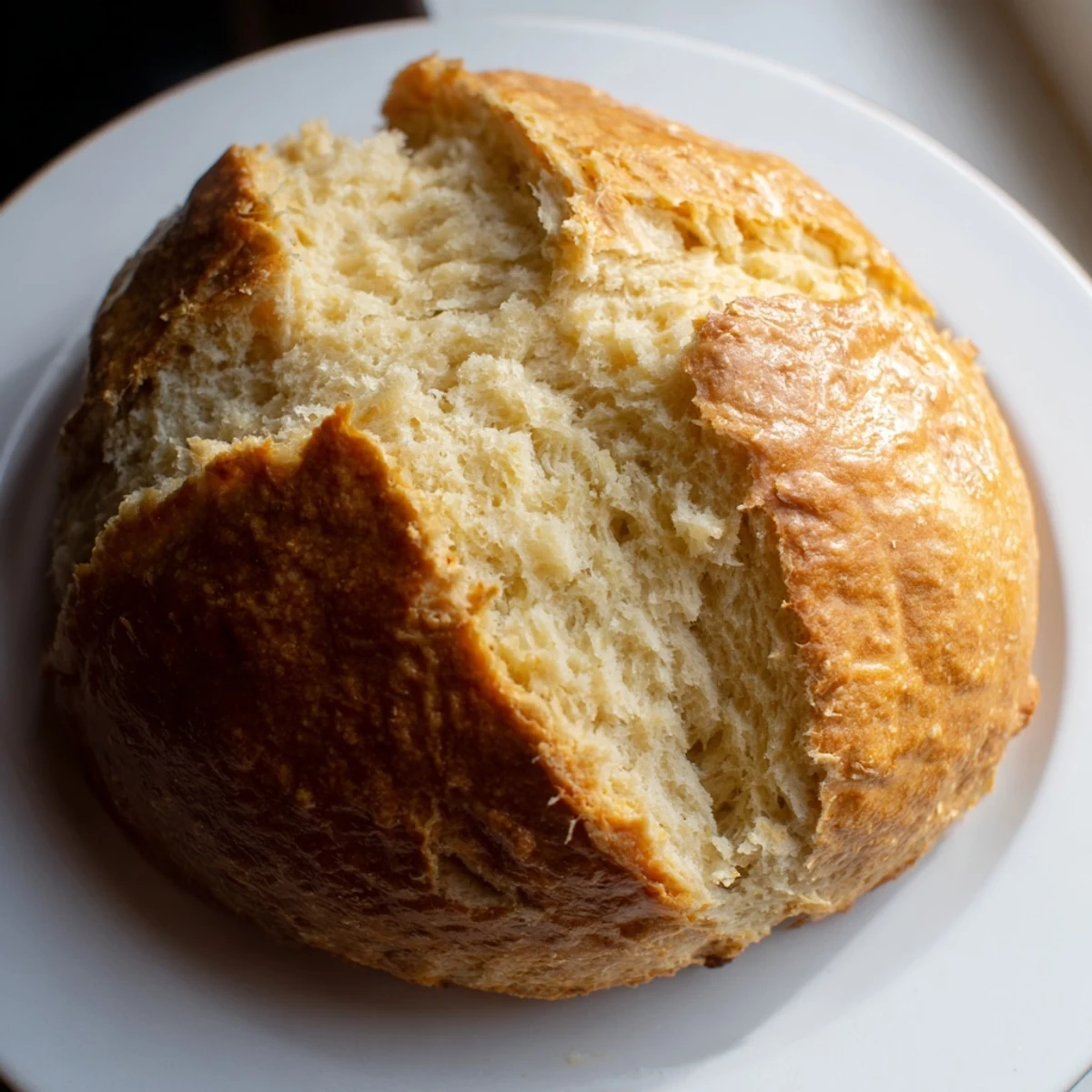
 This hearty Irish soda bread features just four simple ingredients: all-purpose flour, baking soda, fine sea salt, and buttermilk. It’s quick to prepare with minimal kneading required, producing a rustic loaf with a golden crust and tender crumb. Perfect for breakfast or served alongside stews, this bread brings a touch of traditional Irish baking to your table. Variations include using whole wheat flour for added depth or substituting buttermilk with milk and lemon juice for convenience.
The rain was coming down in sheets when I decided soda bread was the only thing that would make the afternoon feel right. My grandmother used to say the damp weather actually helped the bread rise better, though I'm fairly certain that was just her way of making kitchen magic sound scientific. I'd tried countless recipes over the years, but something about this particular combination—just flour, soda, salt, and buttermilk—kept me coming back. The way it transforms from four humble ingredients into something that feels like comfort itself still amazes me every single time.
I brought a fresh loaf to a friend's house last winter, and we ended up standing around the kitchen counter eating slice after slice with butter while the rest of the meal sat forgotten on the stove. There's something almost meditative about the simplicity—no waiting for yeast to wake up, no proofing, no second-guessing whether it's working. The bread just goes into the oven and does its thing, filling your whole house with that unmistakable baked-good smell that makes everyone gravitate toward the kitchen.
Ingredients
- All-purpose flour: The structure and foundation of your bread, though I've found that brands with slightly higher protein content give a better rise
- Baking soda: Your leavening agent, reacting instantly with the acidic buttermilk to create those lovely air pockets
- Fine sea salt: Coarser salt can leave salty pockets in your bread, so fine grains distribute more evenly throughout the dough
- Buttermilk: The acidity here is crucial for the soda to work its magic, plus it adds a subtle tang that makes every bite interesting
Instructions
- Get your oven ready:
- Crank that heat to 425°F and line your baking sheet with parchment, or just dust it with flour like the old-school bakers do
- Whisk your dry ingredients:
- Give the flour, baking soda, and salt a good thorough mixing so everything's evenly distributed before any liquid touches the bowl
- Make a well and pour:
- Create a little crater in the center of your flour mixture and pour in all that buttermilk at once
- Gently bring it together:
- Stir with a wooden spoon until you get a shaggy, messy dough that looks like it might not hold together—but trust that it will
- Turn and shape:
- Dump the dough onto a lightly floured surface and pat it gently into a round, flattened loaf about two inches thick
- Score that X:
- Take a sharp knife and cut a deep cross across the top, which helps the bread expand properly while baking
- Bake to golden perfection:
- Slide it into the hot oven for 30 to 35 minutes until it's beautifully golden and sounds hollow when you give the bottom a tap
- Patience pays off:
- Let it cool on a wire rack for at least 30 minutes because cutting into warm bread, though tempting, can make the texture gummy
 Pin This
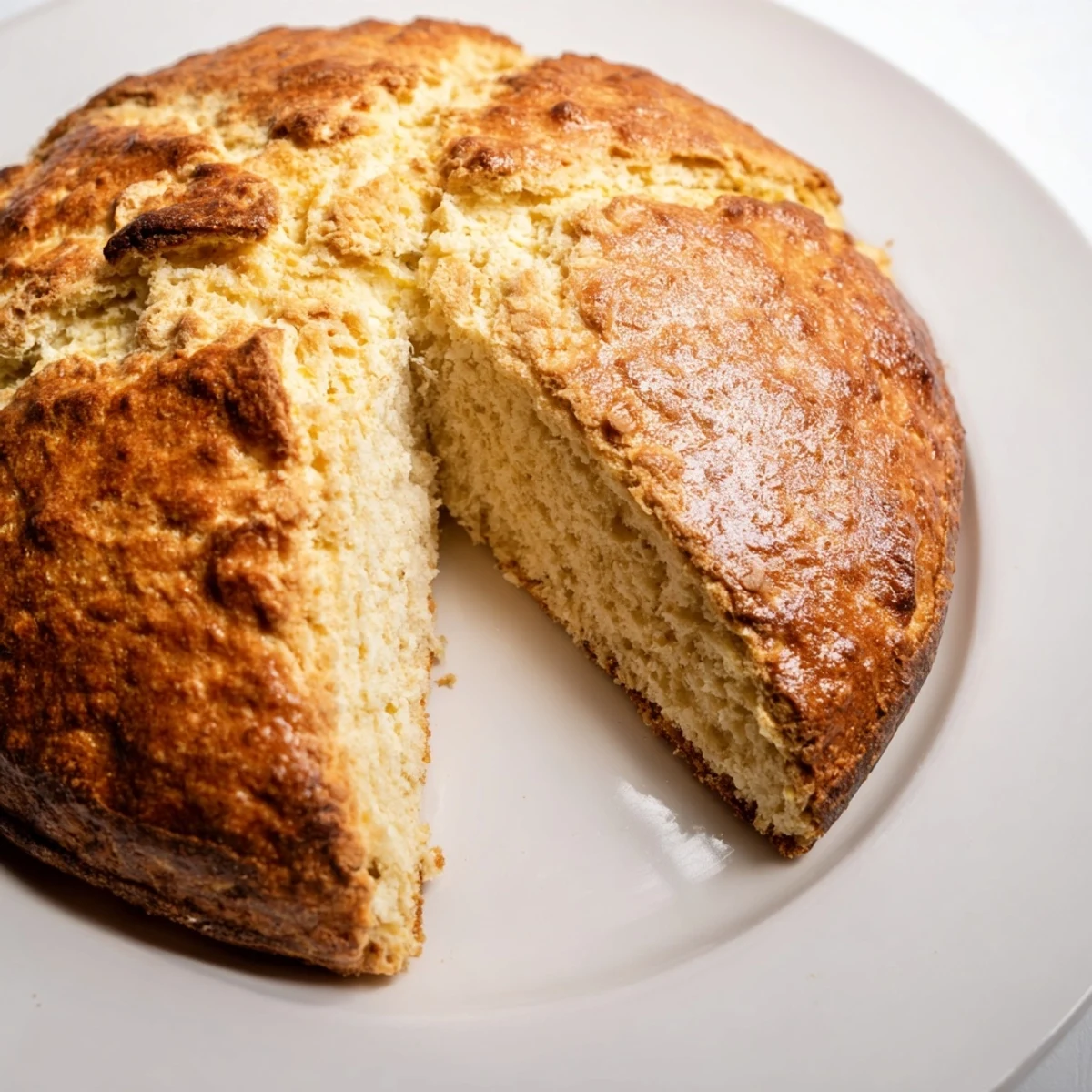
 This bread has saved countless last-minute dinner situations and turned ordinary weeknight soups into something that felt special. There's a particular satisfaction in pulling something so fundamentally good from your oven with such little effort and time invested.
Making It Your Own
Half whole wheat flour adds a wonderful nuttiness and gives the bread more substance, though it will be slightly denser. You can also mix in raisins and a bit of caraway seeds for the more traditional spotted dog variation that my Irish neighbor swears by.
When You're Out of Buttermilk
Regular milk mixed with a tablespoon and a half of lemon juice or vinegar, left to sit for five minutes, works beautifully as a substitute. The acid curdles the milk slightly, creating that essential tang and chemical reaction the baking soda needs.
Serving and Storing
Soda bread is best enjoyed the day it's made, ideally while still slightly warm with generous slabs of salted butter melting into each crevice. If you somehow have leftovers, wrap them tightly and they'll keep for a day or two, then transform stale slices into excellent bread pudding or croutons.
- Wrap leftovers in a clean kitchen towel rather than plastic, which keeps the crust from getting soggy
- A quick reheat in a 350°F oven for about 10 minutes brings back that freshly-baked texture
- The X on top isn't just decorative—it's said to represent faith and protect the bread, or practically, to help heat penetrate the center
 Pin This
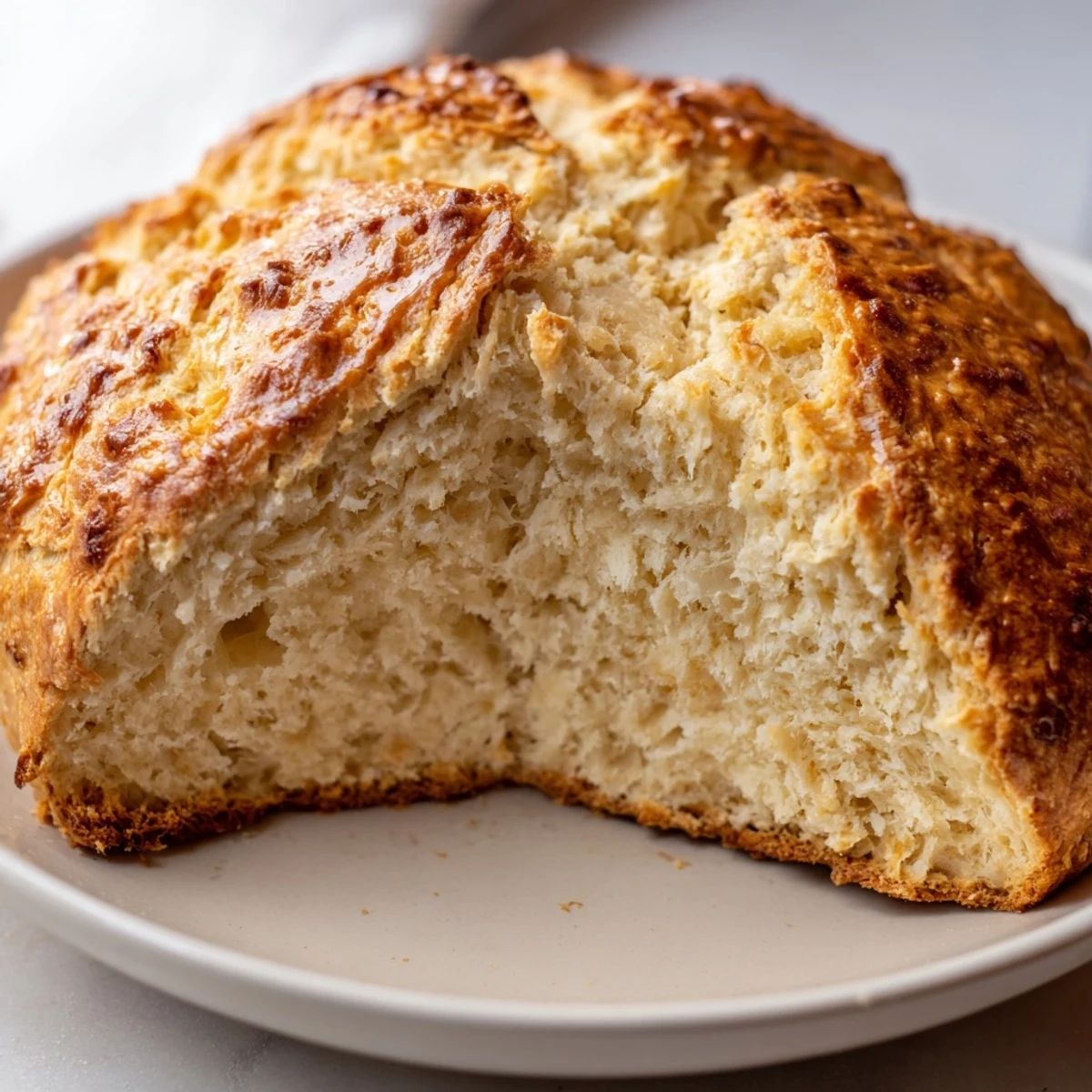
 There's something profoundly satisfying about bread that requires so little yet gives so much in return. May your kitchen be filled with the smell of baking and your table surrounded by hungry friends.
Recipe FAQs
- → What gives Irish soda bread its rise?
-
Baking soda reacts with the acidity of buttermilk to produce carbon dioxide, which helps the bread rise without yeast.
- → Can I use regular milk instead of buttermilk?
-
Yes, mix milk with lemon juice or vinegar and let it sit for 5 minutes to mimic buttermilk’s acidity.
- → How do I know when the bread is fully baked?
-
The loaf should be golden brown and sound hollow when tapped underneath, indicating it’s cooked through.
- → Is kneading important for this bread?
-
Minimal kneading is needed; over-kneading can make the bread dense instead of tender and crumbly.
- → Can I substitute whole wheat flour in this bread?
-
Yes, replacing half the all-purpose flour with whole wheat adds richer flavor and a heartier texture.