
 Pin This
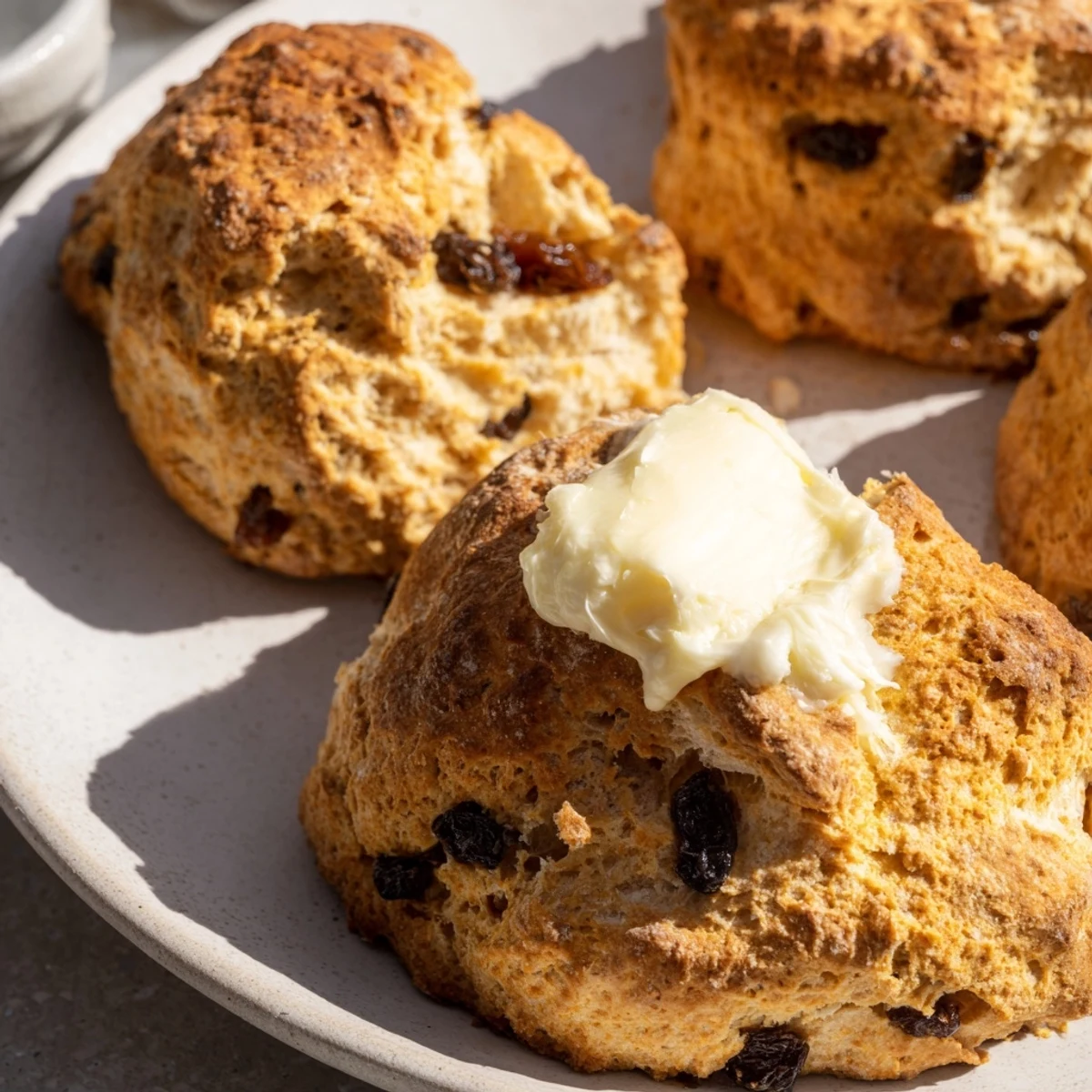
 These Irish soda bread scones are tender and rustic, inspired by traditional soda bread. A golden crust encloses a soft, fluffy interior enhanced by optional raisins or currants for extra sweetness. Made with buttermilk, baking soda, and butter, they bake quickly to a perfect golden color. Serve warm with softened butter to enjoy a comforting breakfast or snack with hints of rich, creamy flavor.
Simple to prepare and quick to bake, these scones offer a delightful texture and taste that blend classic Irish baking tradition with an easy breakfast treat. Optional orange zest or whole wheat flour variations add subtle complexity and heartiness.
The morning sun was streaming through my kitchen window when I first attempted these scones, inspired by a rainy afternoon in Dublin years ago where a warm soda bread saved me from a dreary day. I remember my roommate leaning against the counter, watching me shape the dough and asking why I was so particular about keeping everything cold. That first batch came out dense as rocks, but something about the combination of buttermilk and raisins kept me trying until I found the perfect balance.
Last winter, my sister showed up at my door unannounced during a snowstorm, and I threw these together while she shook snow from her coat. We ate them standing at the counter with butter dripping down our wrists, watching the flakes pile up outside, both agreeing that sometimes the simplest recipes are the ones that become traditions.
Ingredients
- All-purpose flour: The structure here, though I have learned that weighing your flour instead of scooping makes all the difference between heavy and light
- Granulated sugar: Just enough to hint at sweetness without competing with the butter
- Baking soda and baking powder: The dual rising agents give you that characteristic soda bread lift while keeping the texture tender
- Salt: Do not skip this, it balances the sweetness and makes all the other flavors pop
- Raisins or currants: Traditional and completely optional, though I never leave them out anymore after seeing how my kids eyes light up at the sweet bursts throughout
- Cold buttermilk: The acidity activates the baking soda and creates those lovely tender pockets, and keeping it cold prevents the butter from melting too soon
- Egg: Adds structure and richness, helping the scones hold their shape while still melting in your mouth
- Melted butter: I use it instead of cold butter here because it incorporates more evenly and creates a consistently tender crumb throughout
Instructions
- Preheat and prepare:
- Get your oven to 400°F and line a baking sheet with parchment paper, because nothing ruins a morning faster than scones stuck to the pan
- Whisk the dry ingredients:
- In a large bowl, combine the flour, sugar, baking soda, baking powder, and salt until everything is evenly distributed, then stir in the raisins if you are using them
- Mix the wet ingredients:
- In a separate bowl, whisk together the cold buttermilk, egg, and cooled melted butter until the mixture is smooth and uniform
- Combine gently:
- Pour the wet ingredients into the dry and fold with a spatula just until you no longer see dry flour, because overworking is what makes scones tough instead of tender
- Shape the dough:
- Turn the dough onto a lightly floured surface and pat it into a 1-inch-thick round, handling it as little as possible to keep it tender
- Cut and arrange:
- Use a floured 2.5-inch cutter to cut out scones and place them on your prepared baking sheet, gathering and reshaping the scraps only once to avoid overworking the dough
- Bake to golden:
- Slide them into the oven for 16 to 18 minutes until they are golden on top and a toothpick in the center comes out clean
- Serve warm:
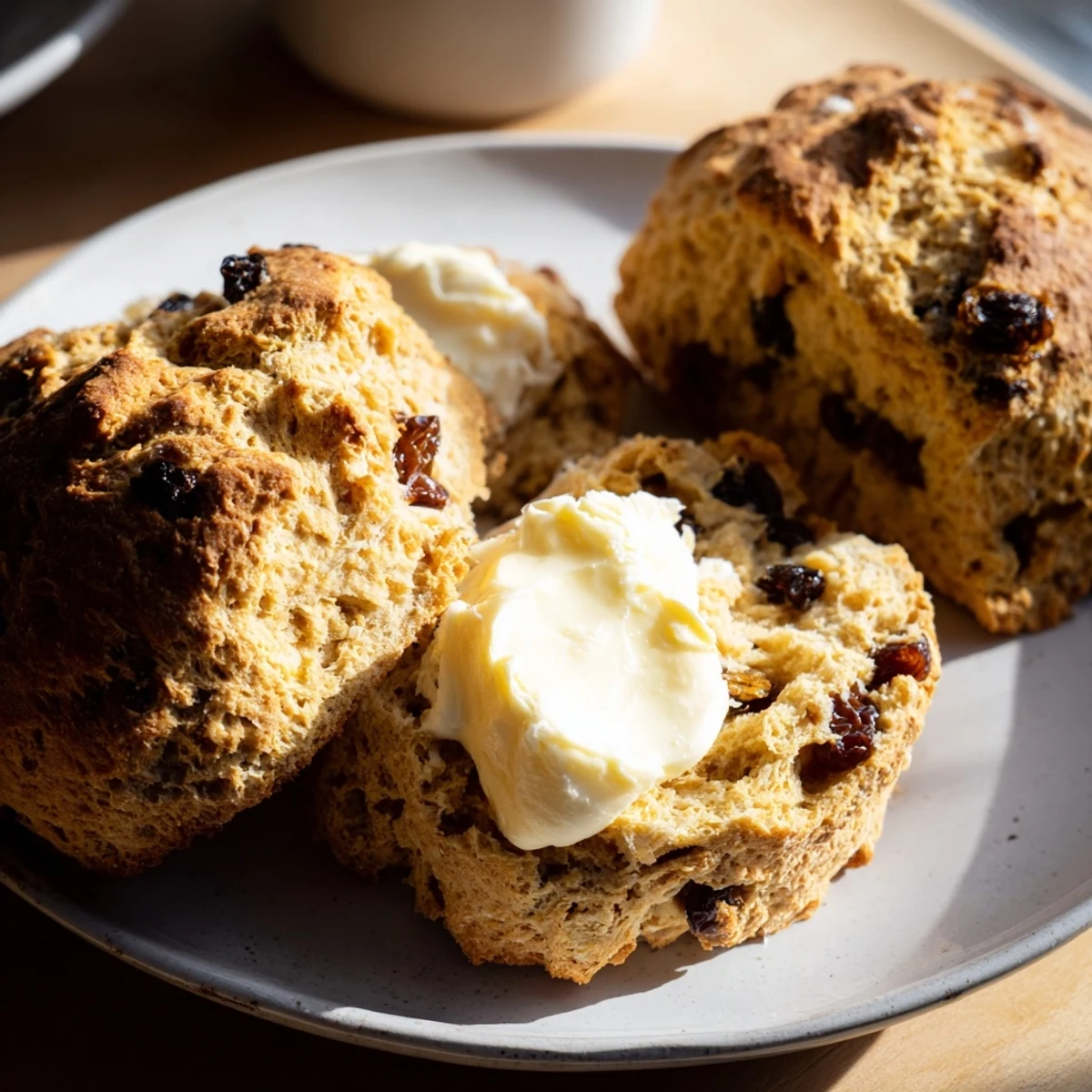
- Let them cool just long enough to handle, then break them open while still steaming and slather with softened butter
 Pin This
 These scones have become my go-to when friends drop by unexpectedly, or when I need something comforting but do not want to spend hours in the kitchen. There is something about the smell of them baking that makes people linger in the kitchen, drawn in by that homey buttery aroma that feels like it belongs in a cottage somewhere green and rainy.
Making Them Your Own
After dozens of batches, I have found that brushing the tops with a little extra buttermilk before baking gives them a gorgeous deep golden sheen that makes them look like they came from a bakery. The oven does something magical to that brushed surface.
Variations That Work
Substituting half the all-purpose flour with whole wheat creates a heartier, more rustic scone that pairs beautifully with sharp cheddar and a dark stout. The nuttiness of the whole wheat adds depth while still keeping the tender crumb intact.
Serving Suggestions
Fresh orange zest added to the dry ingredients transforms these into something bright and fragrant, especially when served with lemon curd instead of butter. The citrus notes cut through the richness and make these feel fancy enough for a proper afternoon tea.
- Split and toast leftover scones the next day, they revive beautifully
- Freeze unbaked scones on a baking sheet, then transfer to a bag and bake directly from frozen for fresh baked treats anytime
- These are best eaten the day they are made, though that has never been a problem in my house
 Pin This
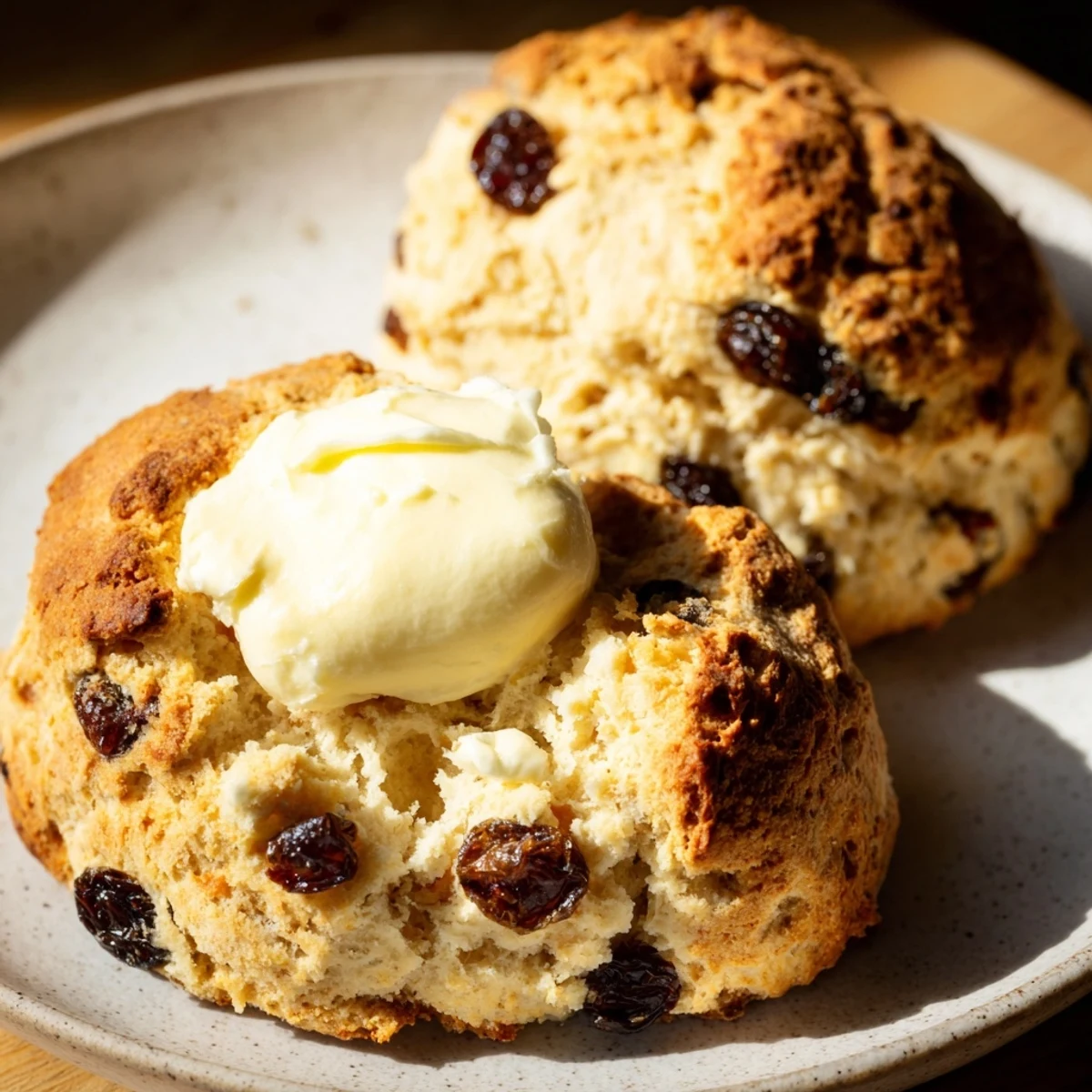
 There is nothing quite like breaking into a warm scone with your hands, steam rising up as the butter melts into all those little crevices. These are meant to be shared, gathered around, and enjoyed slowly.
Recipe FAQs
- → What gives these scones their fluffy texture?
-
The combination of baking soda, baking powder, and buttermilk creates a light and fluffy crumb by producing carbon dioxide gases during baking.
- → Can I add dried fruit to these scones?
-
Yes, adding raisins or currants enhances sweetness and adds texture without overpowering the scones' rustic flavor.
- → How do I achieve a golden crust on the scones?
-
Brushing the tops with a little buttermilk before baking helps create a beautiful golden crust.
- → Is it possible to make these scones heartier?
-
Substituting half the all-purpose flour with whole wheat flour adds a nutty flavor and denser texture for a heartier result.
- → What tools are needed to shape the scones?
-
A biscuit or cookie cutter helps shape uniform scones, while a lightly floured surface prevents sticking during shaping.