
 Pin This
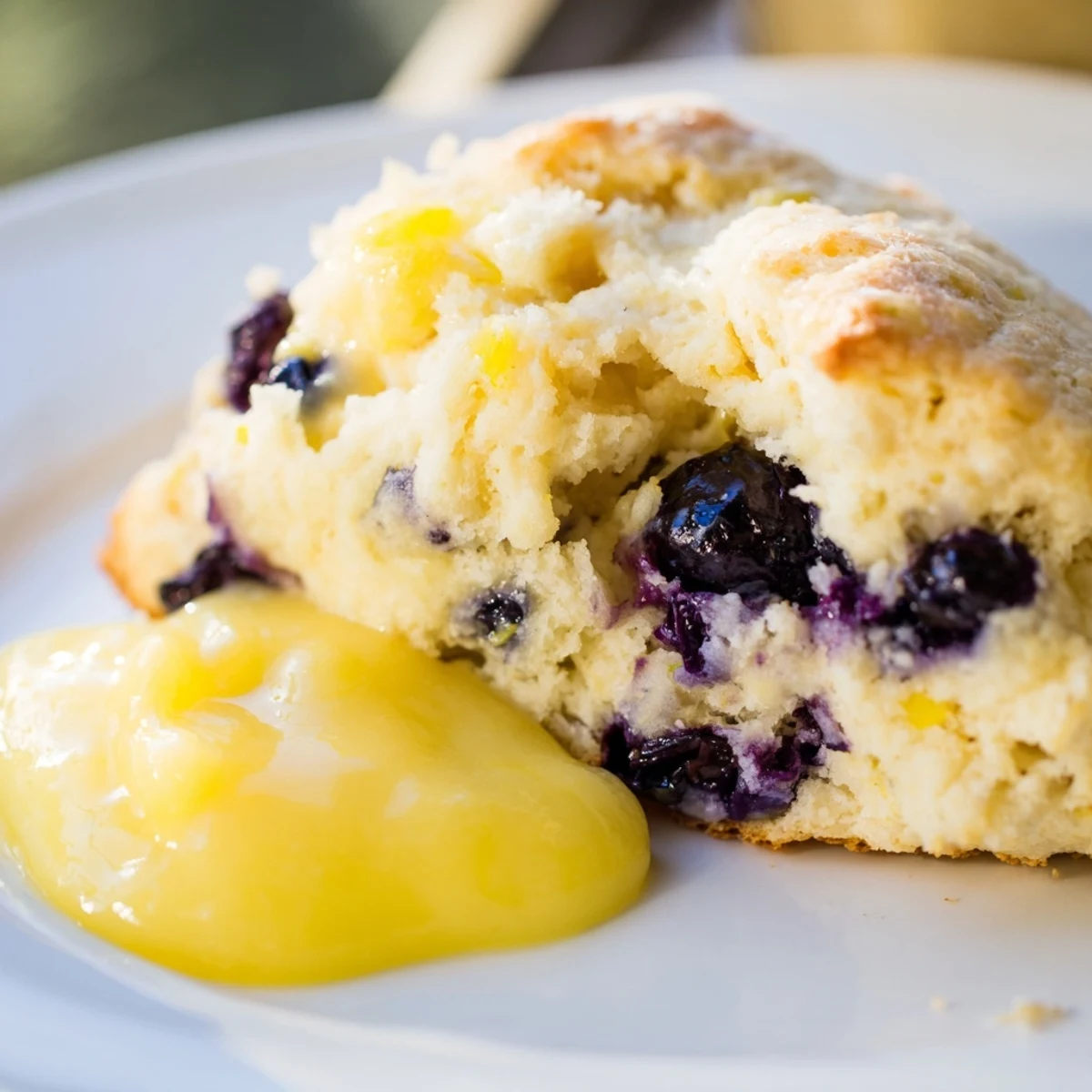
 Enjoy tender, buttery scones rich with fresh blueberries and vibrant lemon zest, gently baked to golden perfection. The scones are paired with a smooth, tangy lemon curd made from fresh lemon juice, zest, eggs, and butter using a traditional double boiler method. These golden wedges offer a balanced combination of fruity brightness and rich creaminess, ideal for breakfast or a cozy teatime indulgence. The dough is carefully mixed to avoid crushing the berries, ensuring juicy bursts in every bite. A light brush of cream and sugar on top adds a subtle sweetness and a delicate crust. Simple tools and fresh ingredients make this a satisfying and delightful indulgence.
The first time I made these scones, my kitchen smelled like a sunny afternoon exploded. I was experimenting with what seemed like too many blueberries, but the way they burst during baking created these beautiful purple streaks throughout the golden pastry. My roommate walked in, eyes closed, inhaling deeply, and immediately asked what bakery I had visited.
I served these at a baby shower last spring, and honestly, the conversation stopped when the platter hit the table. Something about warm scones with homemade curd makes people feel genuinely cared for, like you wrapped hospitality in a pastry. Two guests asked for the recipe before they even finished their first bite.
Ingredients
- All-purpose flour (250 g): The foundation of everything, though I have discovered that weighing your flour instead of measuring by cup makes a noticeable difference in texture
- Granulated sugar (50 g for scones, 100 g for curd): Just enough sweetness to let the blueberries and lemon shine without overpowering their natural brightness
- Baking powder and baking soda: This duo gives the scones their signature rise, creating those irresistible flaky layers that beg to be torn apart
- Lemon zest (2 lemons total): The zest is where all the aromatic oils live, so please use a microplane or fine grater to get every bit of fragrant magic
- Cold unsalted butter (115 g for scones, 55 g for curd): Cold butter is nonnegotiable here, it creates those tender pockets of flavor that separate great scones from okay ones
- Buttermilk (160 ml): The acidity in buttermilk activates the baking powder and adds a subtle tang that balances the sweetness beautifully
- Fresh blueberries (150 g): Fresh berries really do perform better here, though frozen will work in a pinch without thawing them first
- Lemon juice (120 ml): Fresh squeezed makes all the difference, and please strain out any pulp or seeds before making the curd
- Eggs (3 total): Room temperature eggs will incorporate more smoothly into both the scone dough and the lemon curd mixture
- Heavy cream or milk: This little brush on top creates that gorgeous golden finish that makes scones look professionally made
- Coarse sugar (optional): I love the sparkle and crunch it adds, but plain scones are just as lovely without this step
Instructions
- Prep your oven and workspace:
- Preheat to 400F (200C) and line a baking sheet with parchment paper, because cleaning burnt sugar off pans is nobody's idea of fun.
- Mix the dry foundation:
- Whisk together flour, sugar, baking powder, baking soda, salt, and lemon zest in a large bowl until everything is evenly distributed.
- Work in the butter:
- Cut cold butter into the flour using a pastry blender or your fingertips until you see coarse crumbs with some pea-sized pieces remaining, which guarantees flaky layers.
- Combine the wet ingredients:
- Whisk buttermilk, egg, and vanilla extract in a small bowl, then pour over the flour mixture and stir gently until just combined.
- Fold in the blueberries:
- Add the blueberries last and fold them in carefully with a spatula, trying not to crush them or turn your dough purple.
- Shape and cut the scones:
- Turn the dough onto a floured surface, pat into a 1-inch thick circle, and cut into 8 wedges like a pizza.
- Add the finishing touches:
- Transfer wedges to your prepared baking sheet, brush the tops with cream, and sprinkle with coarse sugar if you want that bakery sparkle.
- Bake to golden perfection:
- Bake for 18 to 20 minutes until golden brown, then transfer to a wire rack to cool slightly while you make the curd.
- Start the lemon curd base:
- Whisk lemon juice, zest, sugar, and eggs in a heatproof bowl until smooth and pale yellow.
- Cook the curd gently:
- Set the bowl over simmering water and whisk continuously for 8 to 10 minutes until thickened enough to coat the back of a spoon.
- Finish and cool the curd:
- Remove from heat and whisk in butter until silky smooth, then transfer to a jar and let it cool completely.
- Serve with intention:
- Split the warm scones and spoon on generous amounts of curd, watching it melt into all those buttery layers.
 Pin This
 My grandmother always said that some recipes choose you, and these lemon blueberry scones definitely chose me one rainy Sunday morning when I needed something bright and hopeful. Now they are my go-to whenever life feels heavy or when friends need reminding that simple comforts matter.
The Secret to Tender Scones
After making probably fifty batches of scones over the years, I have learned that keeping everything cold is the absolute key. I even put my flour in the freezer for ten minutes before starting, and I work quickly once the butter hits the bowl. The science makes sense, cold butter creates steam pockets as it bakes, which translates to those flaky layers that make scones irresistible.
Making Lemon Curd Like a Pro
That double boiler method might seem fussy, but it prevents the eggs from scrambling, which is exactly what you do not want in silky lemon curd. Keep the water at a gentle simmer, not a rolling boil, and never stop whisking, seriously, do not stop. The reward for your patience is this glossy, tangy spread that makes everything taste expensive.
Serving Suggestions and Storage
These scones are absolutely best the day they are baked, preferably still warm from the oven with that lemon curd melting into every cranny. If you must store them, wrap individually and freeze rather than refrigerate, then rewarm gently in the oven. The curd keeps beautifully in the refrigerator for up to two weeks, assuming it lasts that long.
- Split and toast leftover scones the next day rather than microwaving them
- Extra lemon curd is phenomenal stirred into yogurt or dolloped on ice cream
- These freeze exceptionally well if you want to bake a double batch and save half for later
 Pin This
 There is something honest and grounding about baking scones, the way simple ingredients transform into something that feels like a warm hug. I hope these become part of your own kitchen story, creating moments worth remembering.
Recipe FAQs
- → How do I keep blueberries from bursting in the dough?
-
Fold blueberries gently into the dough without overmixing to maintain their shape and prevent crushing.
- → What is the purpose of brushing cream on top before baking?
-
Brushing cream promotes a beautiful golden-brown crust and adds subtle richness to the scones' surface.
- → How can I tell when lemon curd is perfectly thickened?
-
It should coat the back of a spoon, leaving a clear line when you run your finger through it.
- → Can these scones be frozen before baking?
-
Yes, cut dough wedges can be frozen and baked directly from frozen, adding a few extra minutes to baking time.
- → What is the best way to store scones to keep them fresh?
-
Store in an airtight container at room temperature for up to two days to maintain tenderness.