
 Pin This
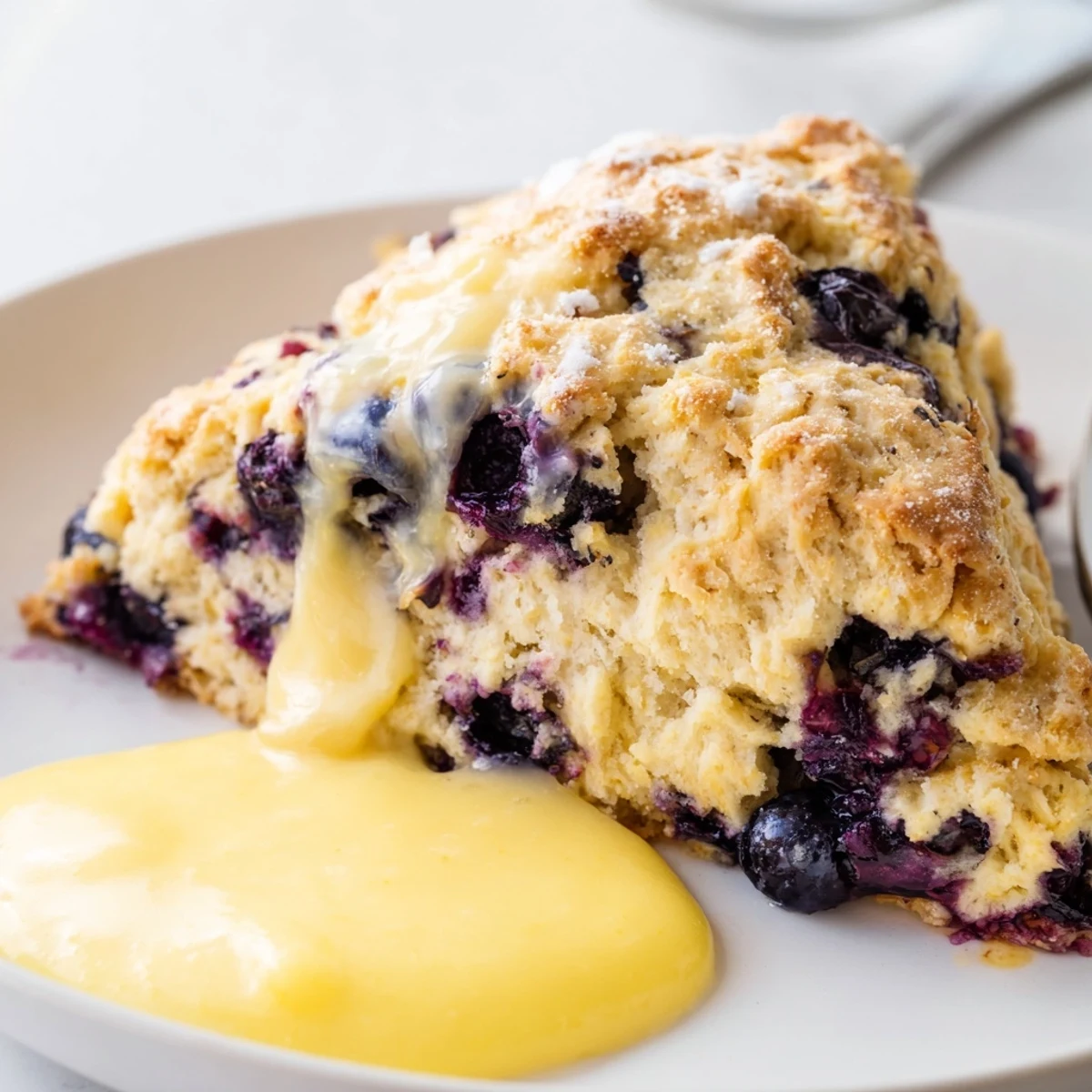
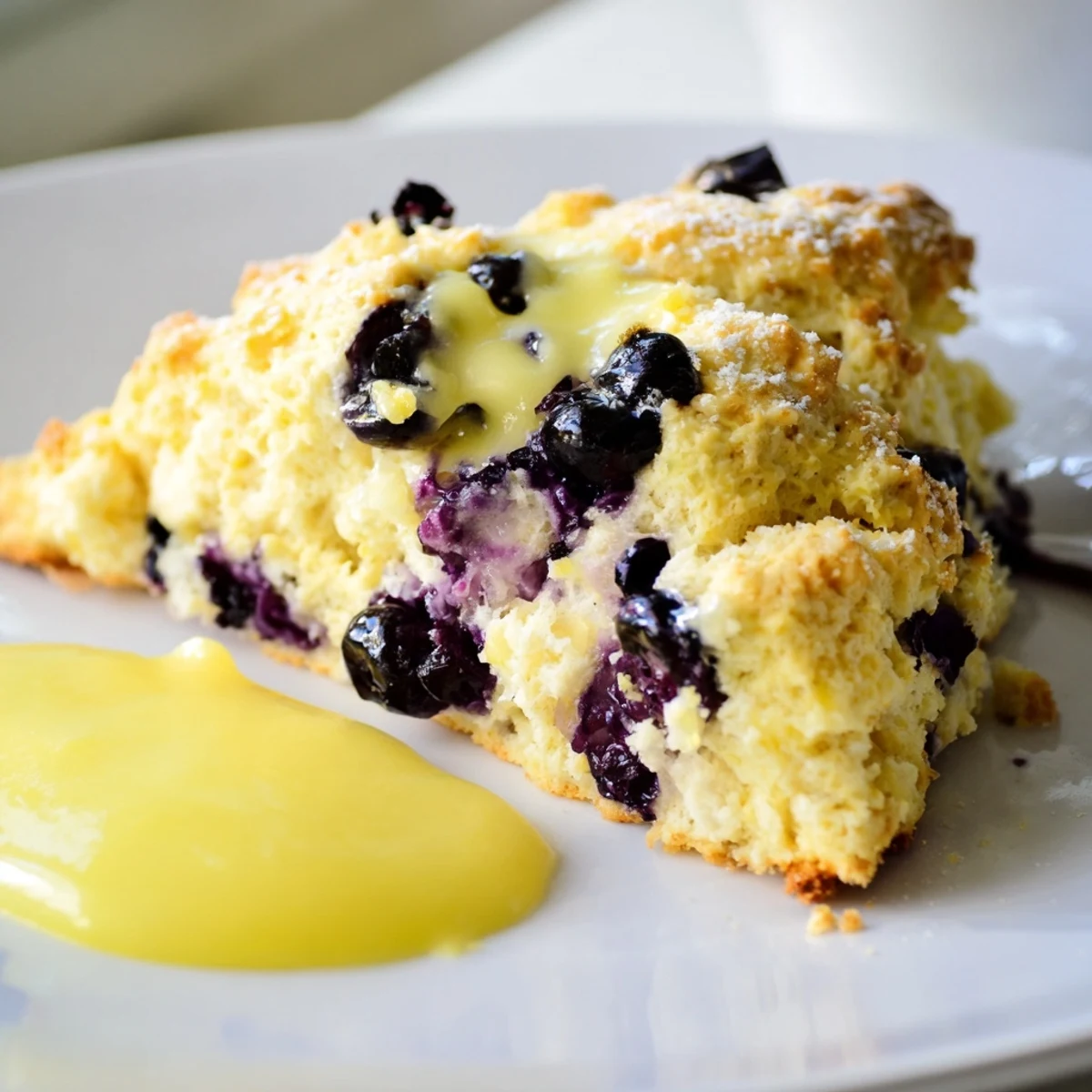
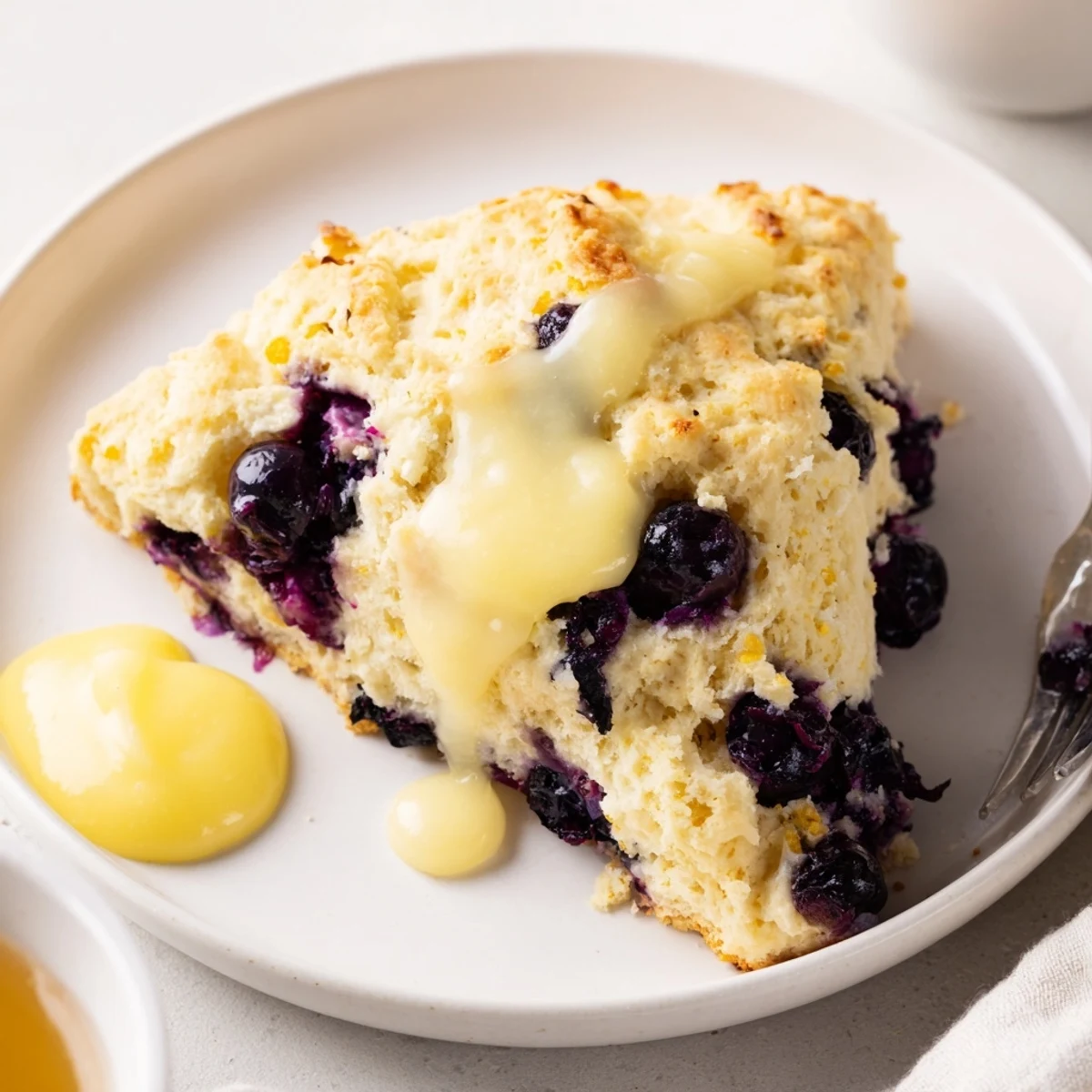
 These tender, buttery scones are packed with juicy blueberries and fresh lemon zest, creating a vibrant, tangy bite. Brushed with cream before baking, they achieve a golden crust and soft interior. Served alongside a smooth, homemade lemon curd that’s cooked gently over simmering water, the combination delivers a perfect balance of sweet and citrusy notes. Ideal for breakfast, brunch, or a light dessert, the scones pair beautifully with black tea or sparkling wine. Simple techniques and fresh ingredients make this a satisfying culinary experience.
The first time I tasted a proper scone was in a drafty farmhouse kitchen where the windows fogged from the heat of the oven and someone's grandmother kept calling me 'love' even though we'd just met. She moved like she was conducting an orchestra, never measuring anything, just knowing. I tried to replicate that confidence for years and failed spectacularly until I stopped treating baking like chemistry and started treating it like a conversation.
I made these for my neighbor after her surgery, leaving them wrapped in a tea towel on her porch because she wasn't up for company. She texted me three days later asking if I would teach her daughter, and that became our Sunday morning ritual for almost a year, flour everywhere, her cat knocking measuring cups off the counter, the two of us laughing at how the blueberries always burst at the worst possible moment.
Ingredients
- All-purpose flour: The foundation that gives these scones their structure without becoming heavy, and Ive learned that spooning it into the cup rather than scooping keeps them tender.
- Cold unsalted butter: This is non-negotiable, warm butter ruins the flaky layers before you even start, so I keep mine in the freezer for twenty minutes beforehand.
- Fresh blueberries: Frozen work in winter emergencies but fresh berries hold their shape better, and tossing them in a tablespoon of flour prevents the dreaded purple streak.
- Heavy cream: Creates that rich, almost biscuit-like crumb that milk simply cannot replicate, plus a little extra for brushing gives the tops their golden sheen.
- Lemon zest: Use a microplane and stop when you hit the white pith, which is where the bitterness lives and waits to sabotage your bright flavor.
- Eggs, sugar, lemon juice, butter: The curd components that transform from thin and worrying to silky and golden through nothing but patience and constant stirring.
Instructions
- Wake up your oven and dry ingredients:
- Preheat to 400°F and line your baking sheet, then whisk the flour, sugar, leaveners, salt, and lemon zest until the mixture smells like a citrus grove. This is the moment to work quickly and confidently, cold ingredients wait for no one.
- Cut in the butter:
- Use a pastry blender or your fingertips to work the cold butter into the flour until you have uneven crumbs ranging from pea-sized to oat-sized, some larger flakes are actually desirable here. Stop before it looks uniform, overworking is the enemy of flakiness.
- Bring it together:
- Whisk the cream, egg, and vanilla in a separate bowl, then pour over the dry mixture and stir with a fork just until you see no more flour streaks, the dough should look shaggy and barely hold together. Resist the urge to make it smooth.
- Fold in the berries:
- Gently incorporate the blueberries with a few careful turns, some will inevitably burst and tint the dough purple, consider this rustic charm rather than failure. Work fast so the butter stays cold.
- Shape and cut:
- Turn the dough onto a lightly floured surface, pat it into a one-inch thick circle with floured hands, and cut into eight wedges using a sharp knife or bench scraper. Transfer to your baking sheet with space between them for spreading.
- Brush and bake:
- Paint the tops with a thin layer of cream, which creates that professional bakery finish, then bake until deeply golden with blueberry juice bubbling at the edges. The smell will test your willpower.
- Start the curd while they bake:
- Set a heatproof bowl over simmering water, whisk together the eggs, sugar, lemon juice, zest, and salt, then stir constantly as the mixture thickens to coat the back of a spoon. This takes longer than you expect, about eight to ten minutes, and sudden scrambling is always a risk if you look away.
- Finish and chill:
- Remove from heat and whisk in the butter until the curd is glossy and smooth, strain through a fine sieve if you want perfection, then refrigerate until cool and spoonable. It will thicken considerably as it chills.
 Pin This
 My sister served these at her baby shower, arranging them on my grandmother's chipped blue platter with small jars of curd tied with twine, and three women asked for the recipe before the morning ended. That platter broke two years later, but I still think of that table whenever the kitchen fills with lemon and butter.
The Frozen Berry Question
I spent one February stubbornly refusing to buy out-of-season blueberries and the scones suffered for my principles, pale and sad without their bursts of juice. Now I keep frozen berries on hand year-round, added straight from the freezer so they do not bleed, and honestly the difference is negligible once they are warm from the oven.
Curd Timing and Storage
The lemon curd is your make-ahead friend, lasting a full week in the refrigerator and somehow improving after a day or two as the flavors meld. I have been known to double the batch specifically to have extra for toast, yogurt, or eating directly from the jar with a spoon while standing at the counter.
Serving Suggestions and Final Thoughts
These scones want to be split warm and filled with curd that slowly melts into the crumb, though they are equally good at room temperature the next day if you hide them properly. The combination of tart lemon and sweet berry somehow tastes like early summer even in the depths of winter.
- Coarse sugar sprinkled before baking adds a welcome crunch and professional appearance.
- Earl Grey or Assam tea are the classic pairings, though I once served these with prosecco and no one complained.
- Leftover scones revive beautifully with five minutes in a 350°F oven.
 Pin This
 However you come to these scones, whether through ambition or accident, may your kitchen smell of lemons and your blueberries burst at exactly the right moment. Some recipes are worth the flour on the floor.
Recipe FAQs
- → Can frozen blueberries be used for this dish?
-
Yes, frozen blueberries can be incorporated without thawing to maintain their shape and prevent excess moisture.
- → How do I achieve a tender texture in the scones?
-
Cutting cold butter into the flour mixture until pea-sized crumbs form ensures a flaky, tender texture once baked.
- → What’s the best way to cook the lemon curd?
-
Whisk the lemon curd ingredients over simmering water, stirring constantly until thickened, to prevent curdling and ensure smoothness.
- → Can these scones be made ahead of time?
-
The lemon curd can be prepared in advance and refrigerated up to a week; scones are best fresh but can be stored and warmed before serving.
- → What can I use to add extra crunch on top of the scones?
-
Sprinkling coarse sugar on top of the scones before baking adds a pleasant, crunchy texture.
- → What drinks pair well with these scones and lemon curd?
-
Black tea or a crisp sparkling wine complement the flavors and balance the richness of these baked goods.