
 Pin This
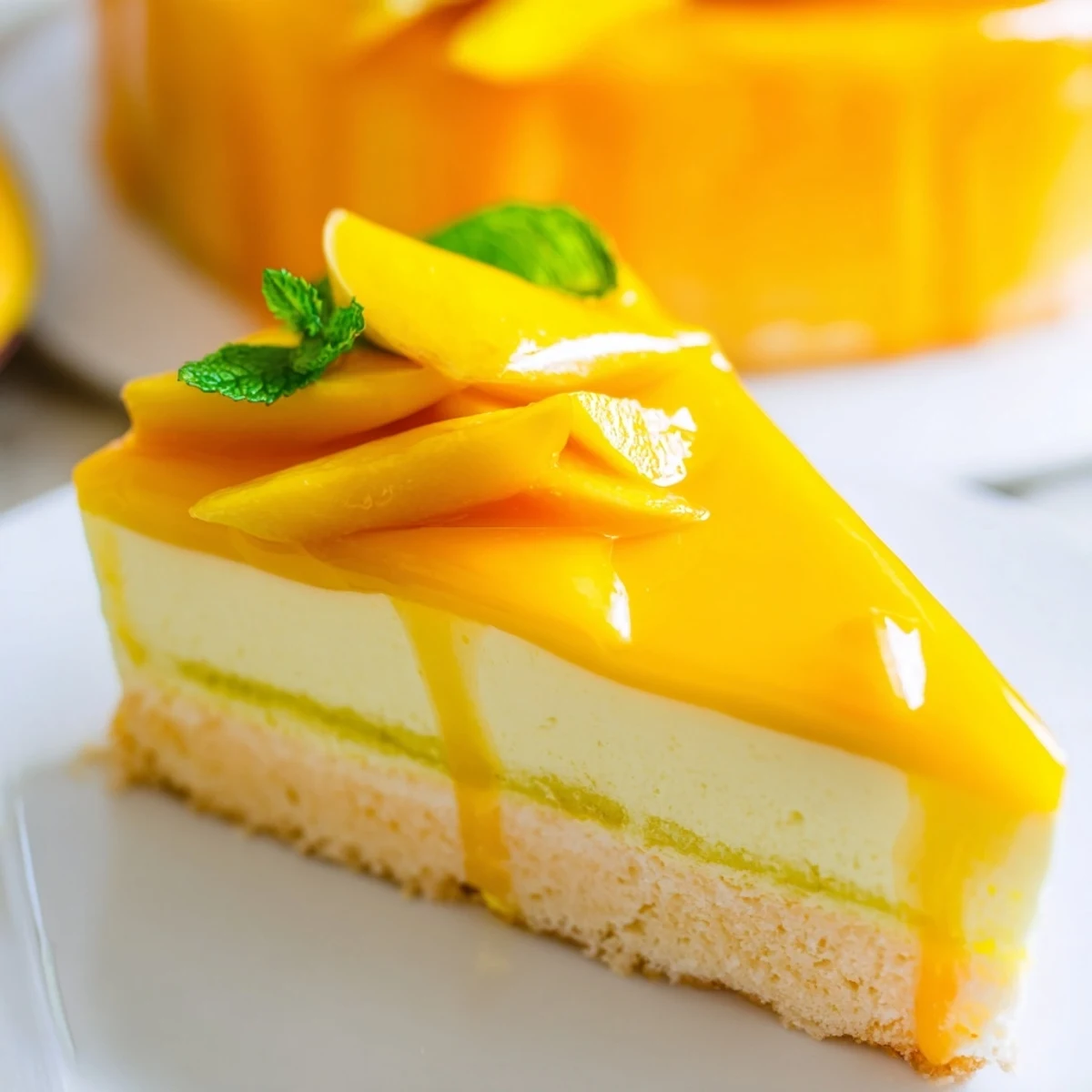
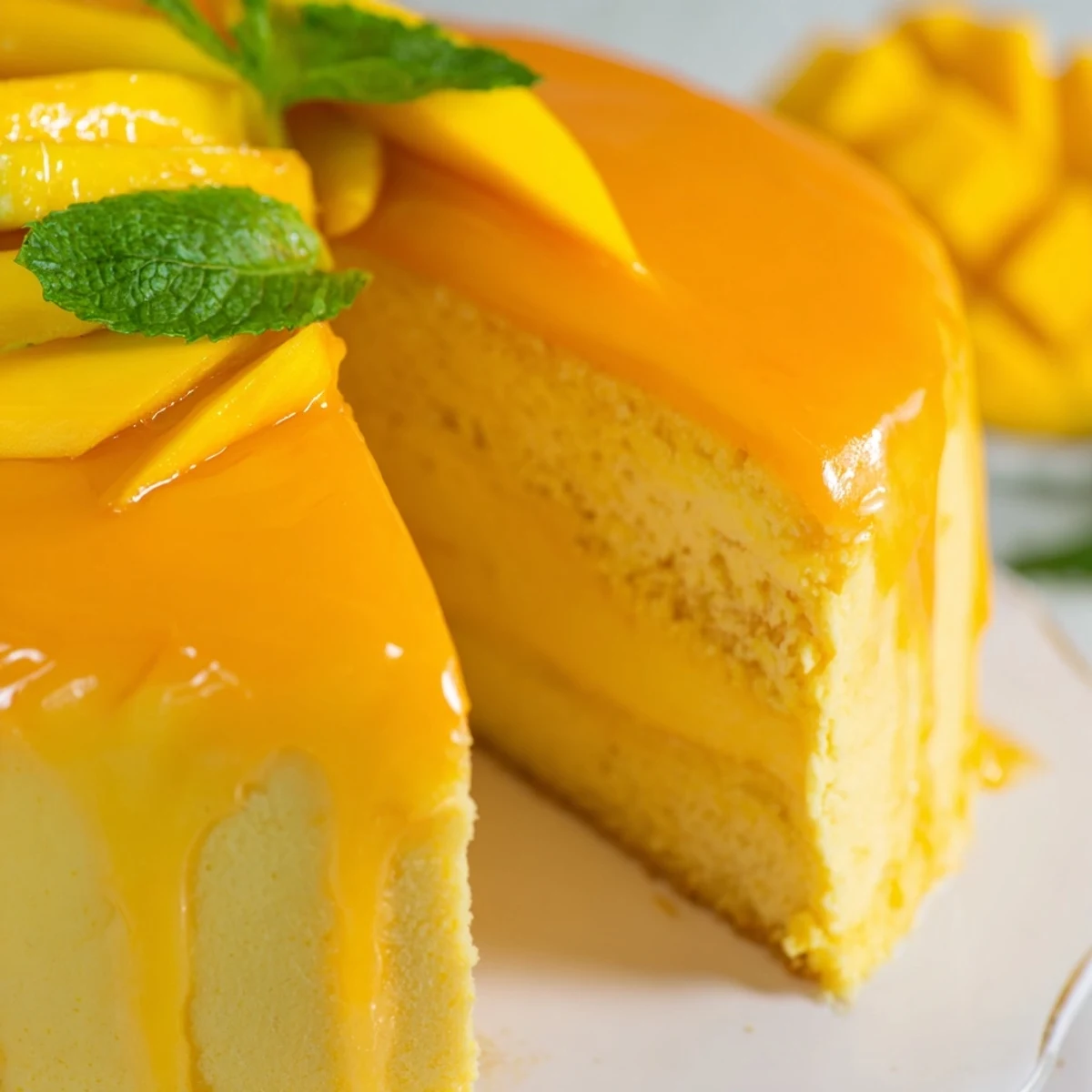
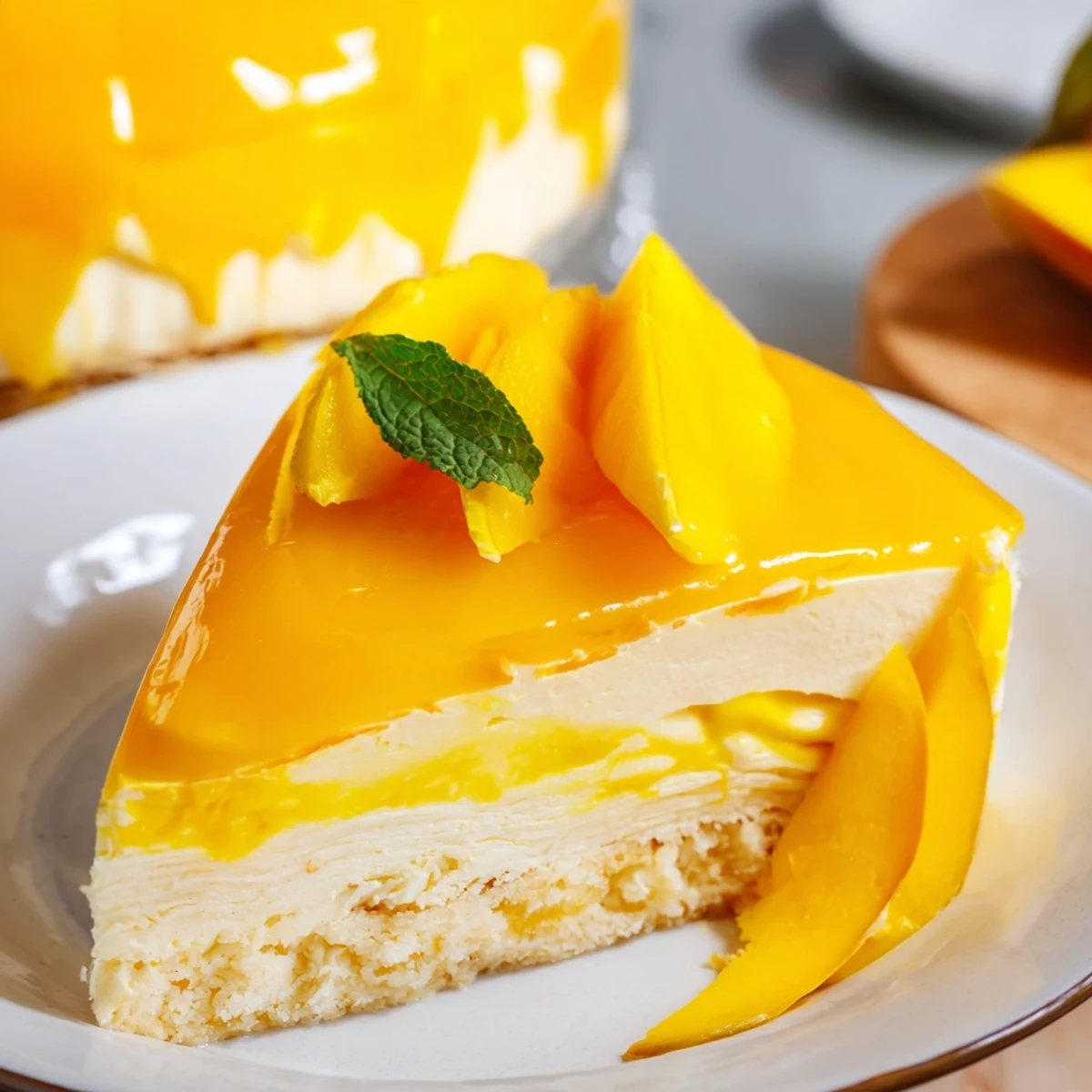
 This elegant dessert features three distinct layers: a tender vanilla sponge base, a light and airy mango mousse made with fresh mango puree and whipped cream, and a glossy mango glaze that adds a beautiful finish. The combination of textures creates a delightful experience—soft sponge, creamy mousse, and smooth glaze all complement the tropical sweetness of fresh mangoes.
The preparation involves creating each component separately before assembling, allowing the mousse and glaze to set properly between steps. While this requires some patience for chilling time, the result is a restaurant-quality dessert that's perfect for summer gatherings, dinner parties, or special celebrations.
My tiny apartment kitchen was barely 90 degrees that July, the AC having given up halfway through making this cake. I had bought way too many mangoes from a street vendor who insisted they were the sweetest of the season, and suddenly I was racing against time before they turned. This mousse cake became my delicious solution to a mango overload, and now I make it every summer when the humidity makes heavy desserts feel wrong.
I brought this to a rooftop dinner party last summer, and my friend Sarah literally stopped mid conversation after her first bite. She made me promise to text her the recipe right then and there, before wed even finished dessert. Theres something about the combination of airy mousse and that glossy mirror glaze that makes people feel like youre showing off, even though the most technical part is just patience.
Ingredients
- 3 large eggs: Room temperature eggs beat up much fluffier, which is crucial for a tender sponge that wont sink under the mousse weight
- 90 g granulated sugar: Split between the sponge and mousse layers, this amount balances the mangos natural sweetness without becoming cloying
- 90 g all-purpose flour: Sift it twice to prevent any lumps that might create dense spots in your delicate sponge layer
- 1/2 tsp vanilla extract: Pure vanilla adds a warm background note that keeps the mango from tasting one dimensional
- Pinch of salt: Just enough to wake up all the flavors without making anything taste salty
- 400 g ripe mango flesh: The riper the mango, the more vibrant your mousse will be, so give them a gentle press to test for slight yield
- 2 tbsp lemon juice: This bright acid cuts through the rich cream and prevents the mousse from feeling too heavy
- 1 tbsp unflavored gelatin powder: The secret to stable slices that hold their shape without becoming rubbery or jiggly
- 300 ml heavy cream: Cold cream whips up faster and holds more air, creating that signature mousse texture
- 150 g mango puree: Reserve your smoothest puree for the glaze, as any fibers will show through the glossy surface
- Fresh mango slices: Arrange these right before serving so they dont weep into your perfect glaze
Instructions
- Bake the foundation:
- Preheat your oven to 180°C (350°F) and line the bottom of a 23 cm springform pan with parchment paper, then beat eggs and sugar until pale and tripled in volume before gently folding in flour, salt, and vanilla until just combined.
- Create the sponge:
- Pour the batter into your prepared pan and bake for 12 to 15 minutes until a toothpick comes out clean, then cool completely in the pan because a warm sponge will melt the mousse layer.
- Prepare the mango base:
- Sprinkle gelatin over 3 tbsp cold water and let it bloom for 5 minutes while you blend mango puree, sugar, and lemon juice until completely smooth.
- Build the mousse:
- Gently heat the bloomed gelatin until dissolved, stir it into the mango mixture, then whip cold heavy cream to soft peaks and fold everything together until no streaks remain.
- Set the first layer:
- Pour the mousse over your cooled sponge base and refrigerate for at least 2 hours until set, resisting the urge to check on it too often.
- Make the mirror glaze:
- Bloom the gelatin in 2 tbsp cold water, heat until dissolved, then mix into the mango puree, lemon juice, and sugar before cooling to room temperature.
- Finish with glass:
- Pour the cooled glaze over your set mousse layer and chill for 2 more hours until firm, then run a knife around the edge before removing the springform ring.
 Pin This
 My mother in law still talks about the first time she tried this, saying she never thought mango could taste so sophisticated. Now she requests it for every family birthday, even in winter when I have to hunt down decent mangoes at three different grocery stores. Its become one of those recipes that feels like giving someone something special, not just feeding them dessert.
Making Ahead
The entire cake can be prepared 2 days in advance, kept covered in the springform pan until youre ready to release it. In fact, the flavors meld and improve overnight, making this ideal for dinner parties or weekend hosting. Just add the fresh mango decoration right before serving to keep everything looking fresh.
Choosing Your Mangoes
Ive learned that Ataulfo or Champagne mangoes have the smoothest texture and most consistent sweetness for purees, while larger Tommy Atkins mangoes can sometimes be fibrous. Always smell the stem end, that sweet floral aroma means the mango is ready to use. If your mangoes are underripe, let them sit on the counter for a few days rather than trying to force them in the recipe.
Getting That Perfect Mirror Finish
The glaze temperature is everything, too hot and it melts the mousse layer, too cold and it sets before you can pour it evenly. I use an instant read thermometer and aim for exactly 27°C before pouring, then tilt the springform pan gently to help the glaze spread without touching the surface. Any drips or imperfections can be smoothed with the back of a warm spoon.
- Work quickly once the glaze reaches temperature, as it starts setting faster than you expect
- Hold the springform pan on a raised surface and pour in the center, letting gravity help the glaze reach the edges
- If you see any bubbles forming, lightly torch the surface or wave a hair dryer over it to pop them
 Pin This
 Theres something deeply satisfying about slicing into this cake and seeing those perfect layers, like youve created something that belongs in a bakery window. The first bite always transports me back to that sweltering July, when too many mangoes became the best mistake I ever made in the kitchen.
Recipe FAQs
- → Can I make this cake ahead of time?
-
Absolutely! This mango mousse cake actually tastes better when made a day ahead, as the flavors have time to meld together. You can prepare it up to 2 days in advance and store it in the refrigerator, covered well with plastic wrap or under a cake dome. The glaze will remain glossy and the mousse will stay perfectly set.
- → What if I can't find fresh mangoes?
-
You can use high-quality frozen mango chunks as a substitute. Thaw them completely and drain any excess liquid before pureeing. The flavor will still be delicious, though slightly less vibrant than fresh mangoes. Avoid canned mango puree if possible, as it often contains added sugar and preservatives that affect the final texture.
- → How do I prevent air bubbles in the mousse?
-
The key is to fold the whipped cream gently into the mango mixture using a rubber spatula. Avoid overmixing, which can deflate the air pockets. When pouring the mousse over the sponge, tap the pan gently on the counter a few times to release any trapped air bubbles. If bubbles appear on the surface after pouring, quickly pop them with a toothpick before chilling.
- → Can I make this gluten-free?
-
Yes! Simply replace the all-purpose flour in the sponge base with a good quality gluten-free flour blend that contains xanthan gum. The texture of the sponge will be slightly denser but still delicious. Ensure all other ingredients, including the gelatin, are certified gluten-free if you're serving someone with celiac disease or severe gluten sensitivity.
- → Why did my mousse not set properly?
-
This usually happens if the gelatin wasn't bloomed correctly or if the mango mixture was too hot when the gelatin was added, causing it to break down. Always let the mango mixture cool to room temperature before combining with the bloomed gelatin. Also ensure you use the correct amount of gelatin—too little will result in a soft mousse, while too much makes it rubbery.
- → How should I store leftovers?
-
Store any leftover cake in an airtight container in the refrigerator for up to 3 days. The glaze may start to weep slightly after the first day, but this won't affect the taste. Avoid freezing, as the texture of the mousse and sponge will become grainy and watery when thawed. For best results, serve the cake chilled but not ice cold—let it sit at room temperature for 10-15 minutes before serving.