 Pin This
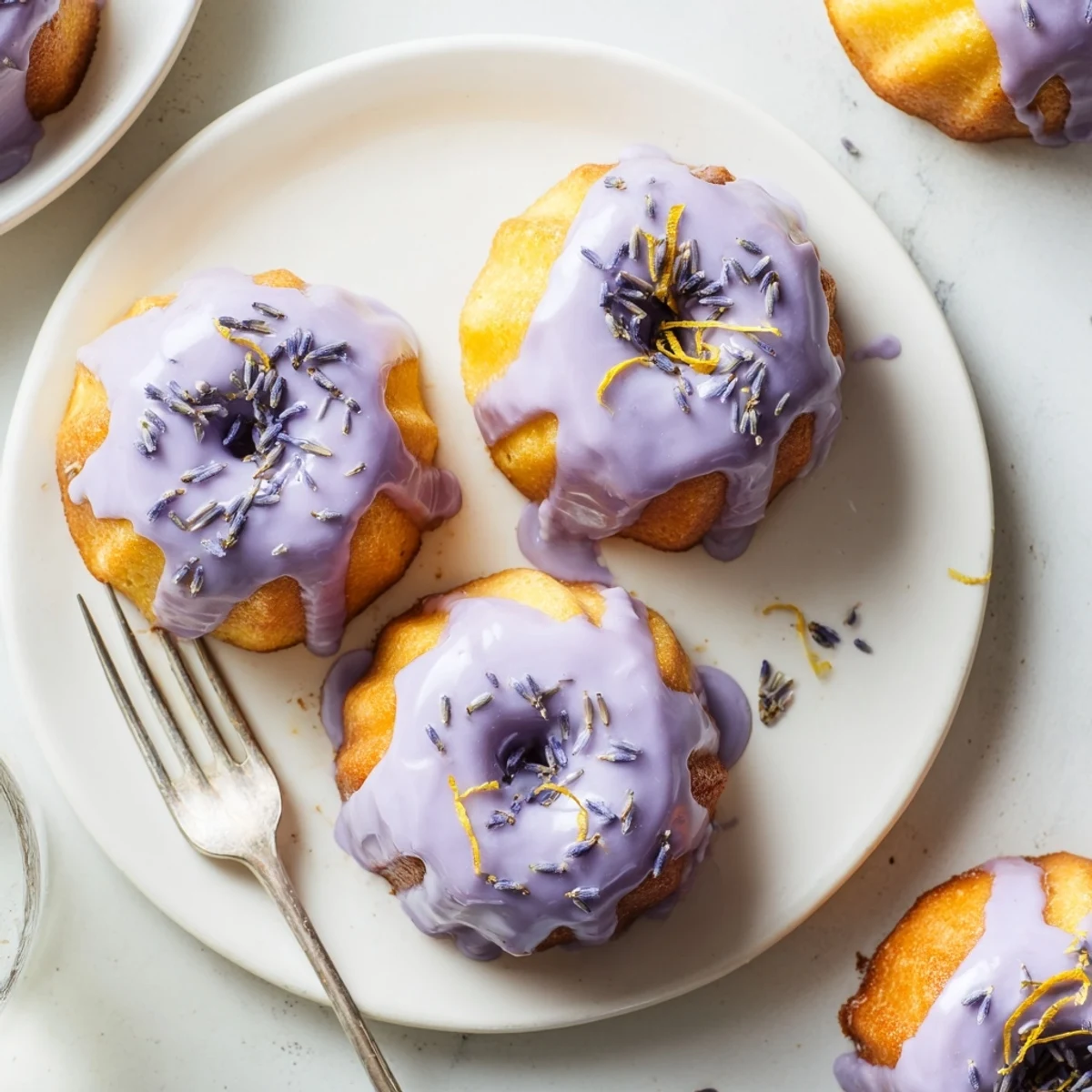
 These delightful mini lemon cakes combine bright citrus flavor with the delicate floral notes of lavender. The tender crumb comes from carefully creamed butter and sugar, while fresh lemon zest and juice provide vibrant tanginess throughout each bite. The signature lavender glaze adds visual elegance and sophisticated floral complexity that balances the lemon's acidity.
Baking these in mini bundt or muffin pans creates individual portions perfect for entertaining. The glaze sets beautifully when poured over completely cooled cakes, creating a lovely dripping effect. For intensified lavender essence, steep the glaze milk with dried buds before straining—this technique infuses the frosting without any bitterness.
The preparation method alternates flour and milk additions to maintain proper batter structure, preventing overdevelopment of gluten. This ensures each mini cake remains tender and moist. Serve alongside Earl Grey tea or chilled Moscato to complement the citrus and floral notes.
The first time I made these mini lemon cakes, my kitchen smelled like a Provence bakery. I had been experimenting with floral flavors for weeks, and something about the combination of bright citrus and delicate lavender just clicked. My roommate wandered in, eyes closed, inhaling deeply, and asked if I'd secretly become a French pastry chef overnight.
I brought these to my sister's baby shower last spring, and I swear the conversation stopped when I set the platter down. My aunt, who's notoriously picky about desserts, took one bite and immediately demanded the recipe. Watching everyone reach for seconds while debating whether the lemon or lavender was the star—that's the kind of kitchen win that keeps you baking.
Ingredients
- 1 1/2 cups all-purpose flour: Sift it first, even though it feels like an extra step. Makes such a difference in texture.
- 1 tsp baking powder and 1/4 tsp baking soda: This combo gives the lift without making them taste metallic or too dense.
- 1/2 cup unsalted butter, softened: Room temperature is non-negotiable. Cold butter creates weird lumps that never quite disappear.
- 1 cup granulated sugar: Cream this with the butter longer than you think you should. We're talking 2-3 minutes of fluffiness.
- 2 large eggs: Also room temperature. Cold eggs can seize up the butter mixture.
- 2 tbsp freshly grated lemon zest: Only fresh zest. That bottled stuff doesn't have the essential oils that make these sing.
- 1/4 cup fresh lemon juice: Strain out the pulp if you're particular, but I like the tiny bits of lemon throughout.
- 1/2 cup whole milk: Whole milk makes these tender. Skim milk works but the texture suffers slightly.
- 1 tsp pure vanilla extract: Don't skip it. It bridges the lemon and lavender flavors.
- 1 1/2 cups powdered sugar: Sift it or you'll spend forever whisking out lumps in the glaze.
- 2-3 tbsp milk: Start with 2, add more only if needed. Runny glaze is a sad glaze.
- 1 1/2 tsp dried culinary lavender: Must be culinary-grade. The stuff from your garden might be treated with things you don't want to eat.
- 1 tbsp fresh lemon juice: Cuts through the sugar's sweetness and adds another layer of brightness.
Instructions
- Getting Started:
- Preheat your oven to 350°F and grease your mini bundt pan with butter, then dust with flour. Tap out any excess flour so the cakes release beautifully later.
- Whisk the Dry Stuff:
- In a medium bowl, combine flour, baking powder, baking soda, and salt. Whisk them together thoroughly so everything's evenly distributed.
- Cream the Butter and Sugar:
- Beat butter and sugar until the mixture turns pale and fluffy, about 2-3 minutes. You'll feel it change texture—that's when you know it's ready.
- Add the Eggs:
- Beat in eggs one at a time, making sure each is fully incorporated before adding the next. Then mix in your lemon zest and vanilla until fragrant.
- Pour in Lemon Juice:
- Mix in the fresh lemon juice. The batter might look slightly curdled—don't panic, it'll smooth out when you add the dry ingredients.
- Combine Everything:
- Add flour mixture in three parts, alternating with milk, starting and ending with flour. Mix until just combined—tiny flour streaks are better than overmixed tough cakes.
- Fill the Pan:
- Divide batter evenly among your prepared mini cake molds, filling each about three-quarters full. An ice cream scoop makes this so much easier.
- Bake Until Golden:
- Bake for 16-18 minutes until the tops are golden and a toothpick comes out clean. The whole house will smell amazing right about now.
- Cool Completely:
- Let them rest in the pan for 10 minutes, then turn onto a wire rack. Patience here—warm cakes melt the glaze right off.
- Make the Glaze:
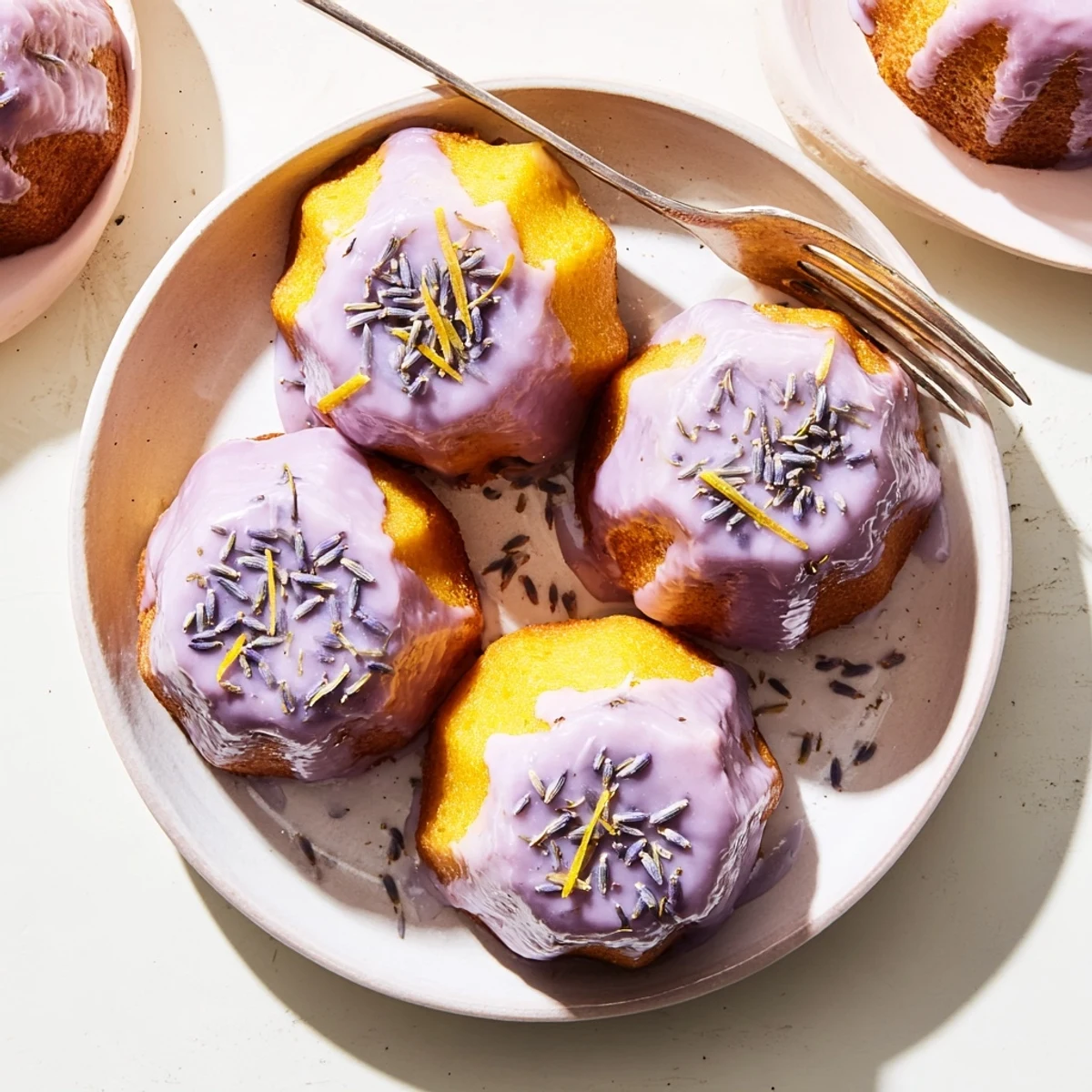
- Whisk powdered sugar, milk, crushed lavender, and lemon juice until smooth and pourable. The color should be a soft, dreamy purple.
- Glaze Generously:
- Spoon the glaze over each cooled cake, letting it drip down the sides naturally. Work quickly before it starts to set.
- Add the Final Touch:
- Sprinkle with extra lavender buds and lemon zest strips while the glaze's still slightly tacky so they stick.
 Pin This
 My mom called me after she tried these, sounding skeptical about the whole lavender thing. She's old-school, flavors she can pronounce and recognize. But then she admitted she ate three in one sitting and now keeps a jar of culinary lavender in her pantry. Sometimes the best recipes are the ones that surprise you.
Making Them Your Own
I've swapped the lavender for fresh thyme when I wanted something more earthy, and it's surprisingly good. Rosemary works too if you're feeling adventurous. The key is keeping the herbs subtle—they should whisper, not shout.
The Glaze Game
Sometimes I skip the food coloring entirely because that natural pale lavender hue is so pretty. Other times I go all in and make them jewel-toned for a pop of color. Both ways get compliments, so it's really about your vibe.
Serving Suggestions
These shine brightest when served slightly warm, with the glaze still a bit soft. Set them out on a pretty platter and watch them disappear. I've paired them with everything from afternoon tea to champagne brunches.
- Stack them on a cake stand for maximum impact
- Wrap individually in cellophane for adorable party favors
- Store in an airtight container at room temperature for up to 3 days
 Pin This
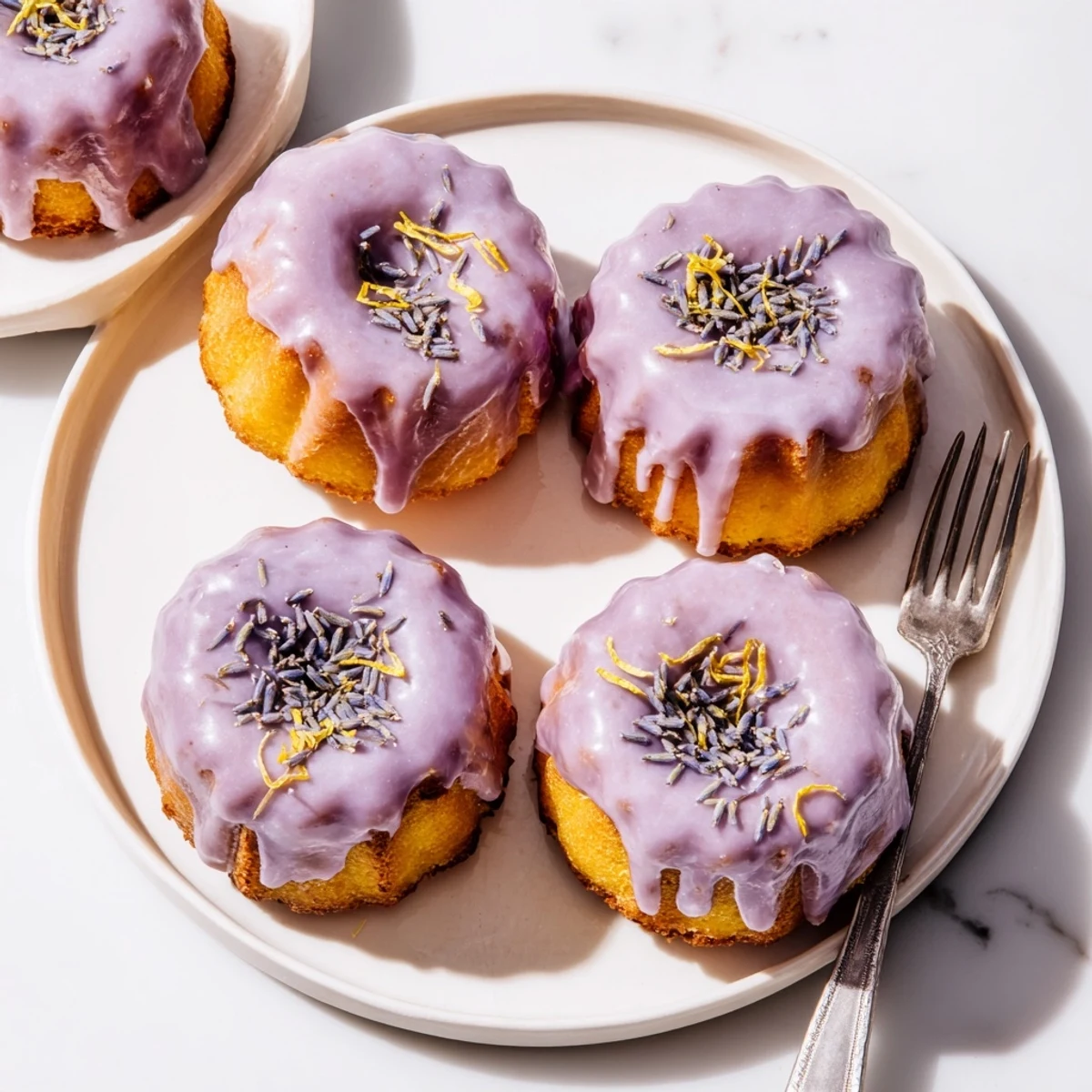
 There's something magical about cutting into these little cakes and seeing that bright yellow crumb topped with dreamy purple glaze. They're the kind of dessert that makes people pause and savor, and isn't that why we bake?
Recipe FAQs
- → Can I make these mini cakes ahead of time?
-
Yes, you can bake the cakes up to one day in advance. Store them in an airtight container at room temperature, then glaze shortly before serving for the freshest appearance and texture.
- → What type of lavender should I use?
-
Always choose culinary-grade dried lavender buds, which are specifically grown and processed for food use. Ornamental lavender from gardens may contain pesticides and taste bitter or soapy.
- → How do I prevent the glaze from being too thick or runny?
-
Start with 2 tablespoons of milk in the glaze mixture, then add more one teaspoon at a time until reaching desired consistency. The glaze should flow slowly but not drip rapidly off a spoon.
- → Can I substitute regular cake pans for mini bundt molds?
-
You can use a standard muffin tin or even a loaf pan, though baking times will vary. Muffins typically take 14-16 minutes, while a loaf may require 35-40 minutes. Test for doneness with a toothpick.
- → Why must the ingredients be at room temperature?
-
Room-temperature eggs, butter, and milk emulsify more readily, creating a uniform batter that bakes evenly. Cold ingredients can cause the butter to seize, resulting in dense or unevenly textured cakes.
- → How can I intensify the lavender flavor without bitterness?
-
Steep the milk with crushed lavender for 10-15 minutes, then strain thoroughly before mixing with powdered sugar. This extracts the floral essence while removing plant material that can cause harsh flavors.