
 Pin This
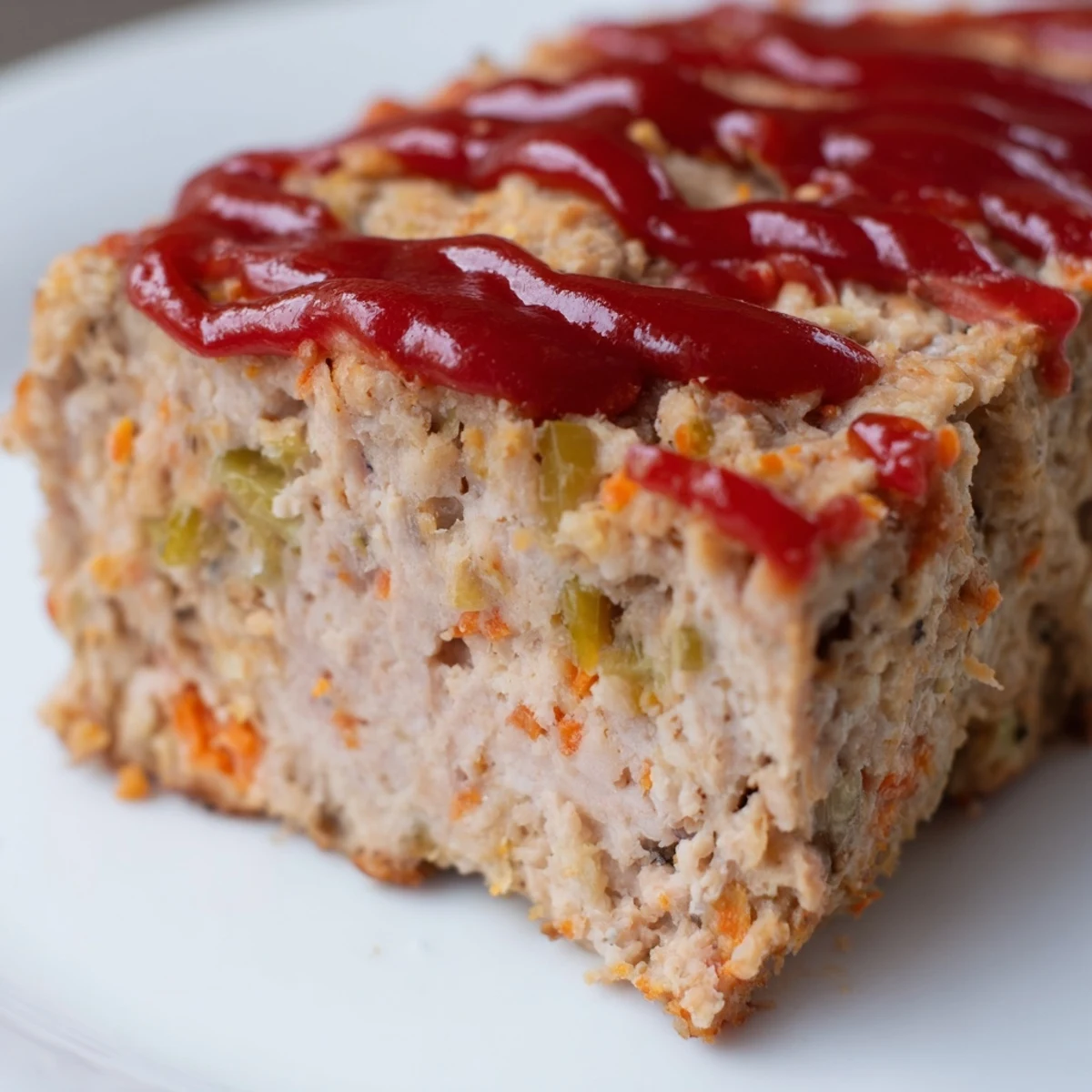
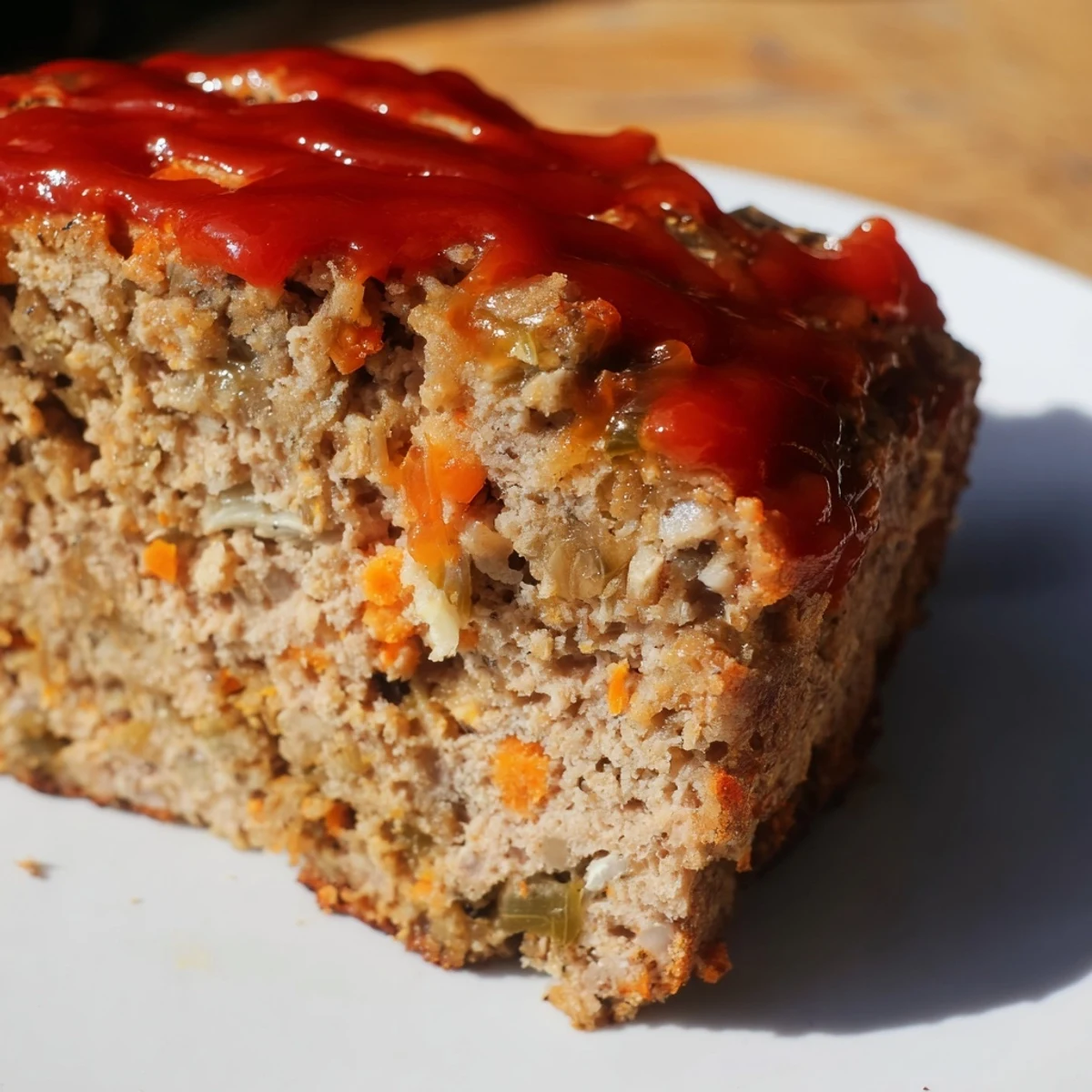
 This moist turkey loaf slice offers a lighter alternative to heavier meat dishes. Combining lean ground turkey with finely chopped vegetables, herbs, and breadcrumbs, it delivers a tender texture and rich flavor. A ketchup and Dijon mustard glaze adds savory notes to the dish. Bake until cooked through, then let it rest before slicing for easy serving. Perfect for weeknight dinners or prepping ahead, it pairs well with side salads or steamed vegetables.
My mom used to make meatloaf every other Thursday, and I'd watch the ketchup glaze bubble up in the oven while we talked about our day. Years later, when I was trying to eat lighter, I realized turkey could do everything beef meatloaf does—but gentler on the stomach and easier on the conscience. The first time I sliced into a warm turkey loaf and saw how tender it was, I knew this would become my weeknight answer to "what's for dinner."
I made this for a potluck once, nervous that turkey loaf would seem boring next to everyone else's contributions. Someone went back for thirds and asked for the recipe with genuine surprise in their voice—that's when I realized this quiet dish had more charm than any flashy casserole.
Ingredients
- Ground turkey (1 1/2 lbs): Lean ground turkey is your foundation—it's forgiving and stays juicy when you don't overwork it.
- Onion, garlic, carrot, and celery: This aromatic base is where flavor lives; grating the carrot helps it disappear into the mixture and keep everything moist.
- Breadcrumbs and milk (1/2 cup and 1/4 cup): This combination is magic—the breadcrumbs absorb the milk and create a tender crumb structure, not a dense brick.
- Eggs (2 large, beaten): They bind everything together without making the loaf rubbery.
- Ketchup and Worcestershire sauce (2 tbsp and 1 tsp): These add a subtle umami backbone that makes turkey taste like itself, only better.
- Thyme and oregano (1 tsp and 1/2 tsp): Dried herbs work beautifully here—no fresh herbs needed, and they won't get lost.
- Salt and pepper (3/4 tsp and 1/2 tsp): Season generously; turkey is mild and needs your help.
- Ketchup and Dijon mustard for topping (2 tbsp and 1 tsp): The glaze is your visual promise that something delicious is happening.
Instructions
- Heat your oven and prepare:
- Set the oven to 350°F and line a 9x5-inch loaf pan with parchment paper or a light grease. This temperature is low enough to let the turkey cook through gently without browning too fast on the outside.
- Mix the meat mixture gently:
- Combine turkey, chopped vegetables, breadcrumbs, milk, eggs, ketchup, Worcestershire sauce, and seasonings in a large bowl. The key is to mix just until everything comes together—overmixing makes the texture dense and tough, like you're kneading dough.
- Shape and top:
- Press the mixture evenly into your prepared pan, then spread the ketchup-mustard glaze over the top in a thin, even layer. This glaze will caramelize slightly and seal in moisture.
- Bake until cooked through:
- Bake for 55 to 60 minutes, watching for the top to darken slightly and the internal temperature to hit 165°F with a meat thermometer. You'll know it's close when you smell that warm, savory aroma filling your kitchen.
- Rest before serving:
- Let the loaf sit in the pan for 10 minutes—this allows the juices to redistribute so every slice stays moist instead of weeping onto the plate.
 Pin This
 The moment my partner took the first bite and closed their eyes, I realized this simple loaf had earned a permanent spot in our rotation. It's the kind of dish that doesn't need fanfare, just a warm plate and maybe some vegetables on the side.
Why Turkey Loaf Wins Over Beef
Turkey has a reputation for being dry, but that reputation comes from overcooked turkey breast, not from the meat itself. Ground turkey, when treated with care and moisture-rich binders, is actually more delicate and tender than beef. I've found that turkey takes on the flavors you give it without the heaviness of beef, making it perfect for weeknight meals where you want something substantial but not sluggish.
Storage and Make-Ahead Magic
This loaf is a meal-prep dream because it tastes just as good cold as it does warm. I often make it on Sunday and eat it three different ways throughout the week—sliced warm with roasted vegetables on Monday, cold in sandwiches on Wednesday, and crumbled into a salad by Friday. You can also wrap a cooled loaf tightly and freeze it for up to three months, then thaw it overnight in the refrigerator before reheating gently in a 325°F oven.
Small Changes That Make a Big Difference
Once you're comfortable with the basic recipe, you can play with it without losing what makes it work. Bell peppers, mushrooms, or even finely grated zucchini all add moisture and flavor without changing the structure. I've also mixed in a tablespoon of Dijon mustard into the meat mixture instead of just on top, and it adds a subtle sharpness that keeps the loaf from tasting one-note.
- Swap half the breadcrumbs for finely crushed crackers for a slightly different texture.
- Add a tablespoon of soy sauce to deepen the umami without making it taste Asian—it just tastes more like turkey.
- If you have fresh herbs, use them in the mixture but keep dried herbs in the topping for concentrated flavor.
 Pin This
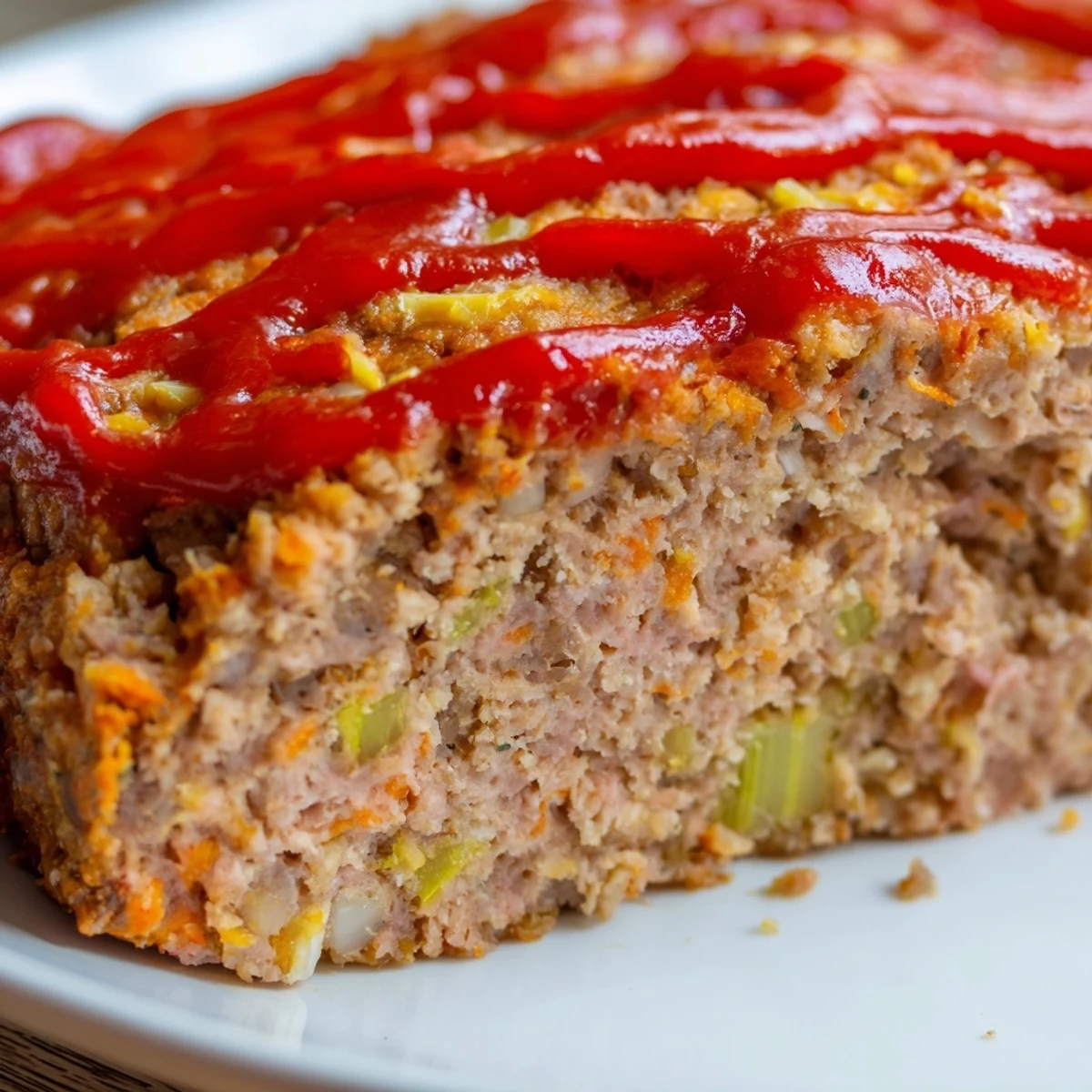
 Turkey loaf is the kind of quiet comfort that doesn't need explaining—it just needs a warm plate and good company. Make it once, and it becomes part of your regular rhythm.
Recipe FAQs
- → What is the best way to keep the loaf moist?
-
Incorporate finely chopped vegetables and use a mixture of eggs and milk to bind ingredients, ensuring moisture retention during baking.
- → Can I substitute the turkey with other meats?
-
Yes, lean ground chicken or a mix of poultry can be used to maintain similar texture and flavor profiles.
- → How can I make this suitable for gluten-free diets?
-
Replace breadcrumbs with gluten-free alternatives and verify all seasonings for gluten-free certification.
- → What is the purpose of the ketchup and mustard glaze?
-
The glaze adds tangy and savory layers, enhancing the overall taste and creating a moist surface crust.
- → How long should the loaf rest before slicing?
-
Allow the loaf to rest for about 10 minutes to let juices redistribute, resulting in tender slices.
- → What sides pair well with this dish?
-
Fresh salads, steamed vegetables, or roasted potatoes complement the flavors and balance the meal.