
 Pin This
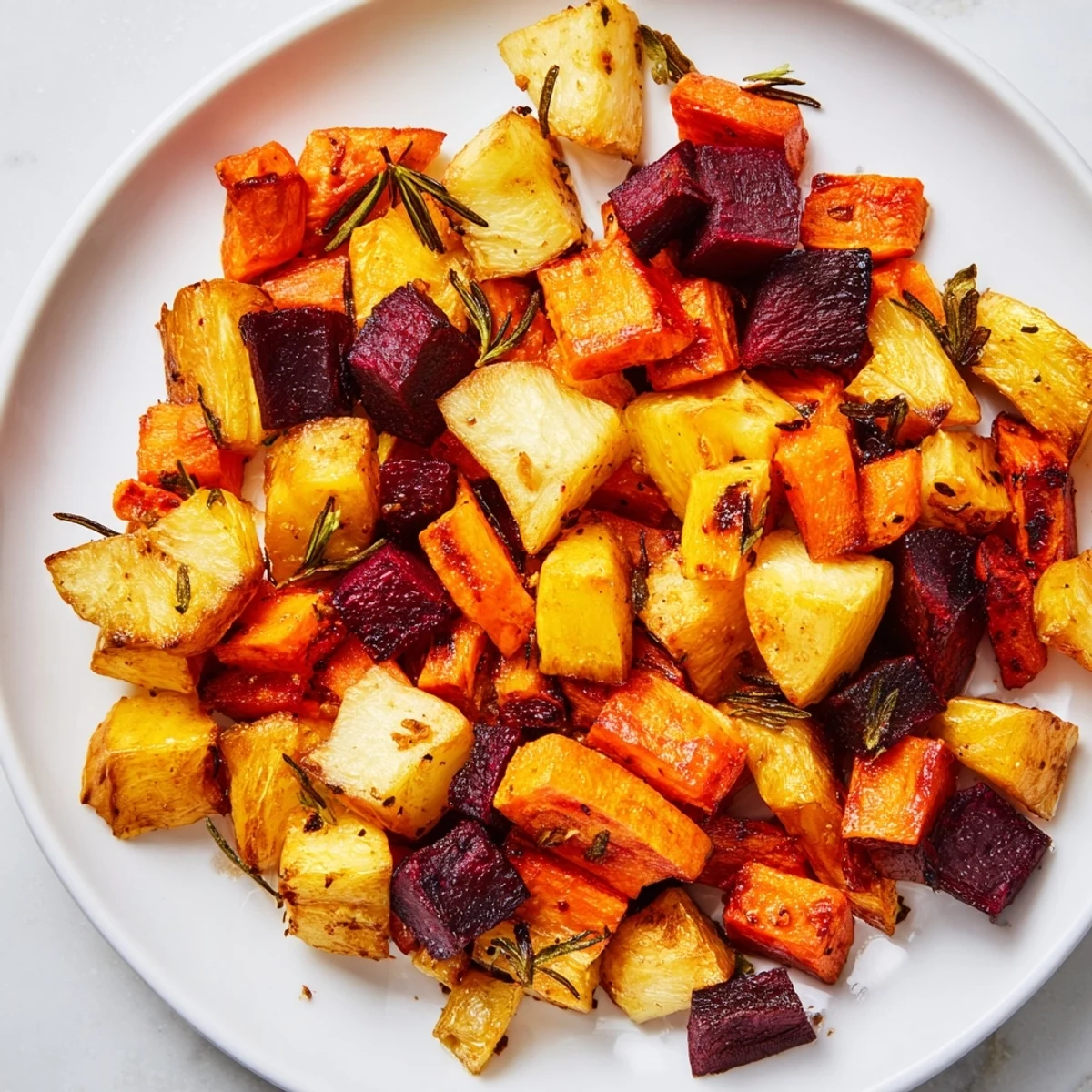
 This dish features a colorful assortment of root vegetables such as carrots, parsnips, sweet potatoes, beets, and rutabaga. They are tossed with olive oil, fresh rosemary, garlic, salt, and pepper, then roasted at high heat until tender and golden. The process caramelizes the natural sugars, enhancing their flavor and aroma. Enjoy this simple yet satisfying side, perfect for pairing with a variety of main courses or as a hearty vegetarian option.
My neighbor dropped off a bunch of root vegetables from her garden one autumn afternoon, and I had maybe twenty minutes to figure out dinner. I tossed them with rosemary and olive oil, shoved them in a hot oven, and walked away. When I came back, the kitchen smelled like a forest after rain, and the vegetables had turned golden and caramelized in places where I'd never imagined they could. That one accident became my go-to whenever I need something that feels both simple and special.
I made this for a potluck last winter when everyone was bringing heavy casseroles, and someone asked me for the recipe before they'd even finished their plate. It was funny because it's so straightforward, but there's something about roasted vegetables with visible caramelization that people find almost luxurious. That's when I realized this wasn't just a side dish—it was a confidence builder.
Ingredients
- Carrots and parsnips: The backbone of this dish, they caramelize beautifully and their natural sugars concentrate in the heat.
- Sweet potato and beet: They add color and sweetness without needing any added sugar, though the beet will stain a little if you cut it too early.
- Rutabaga: It's the secret that keeps everything interesting—slightly earthy with a texture that holds up to roasting.
- Fresh rosemary: Dried works in a pinch, but fresh rosemary releases oils as it roasts and makes the whole thing feel intentional.
- Garlic and olive oil: Garlic browns alongside the vegetables and becomes almost caramel-like, while olive oil is what makes the caramelization happen.
- Sea salt and black pepper: These are your only seasonings, so don't skimp.
Instructions
- Heat your oven and prep:
- Set the oven to 425°F and line a large baking sheet with parchment paper. The high heat is what gives you those crispy, caramelized edges, so don't be tempted to lower it.
- Cut everything evenly:
- Aim for pieces roughly the same size so they roast at the same rate. I learned this the hard way when some pieces turned to soft mush while others were still crunchy.
- Coat generously:
- Toss all the vegetables with olive oil, rosemary, garlic, salt, and pepper until everything has a light coating. This is where the magic starts.
- Spread in a single layer:
- Don't crowd the pan. If vegetables overlap too much, they steam instead of roast, and you lose that caramelization you're after.
- Roast and stir:
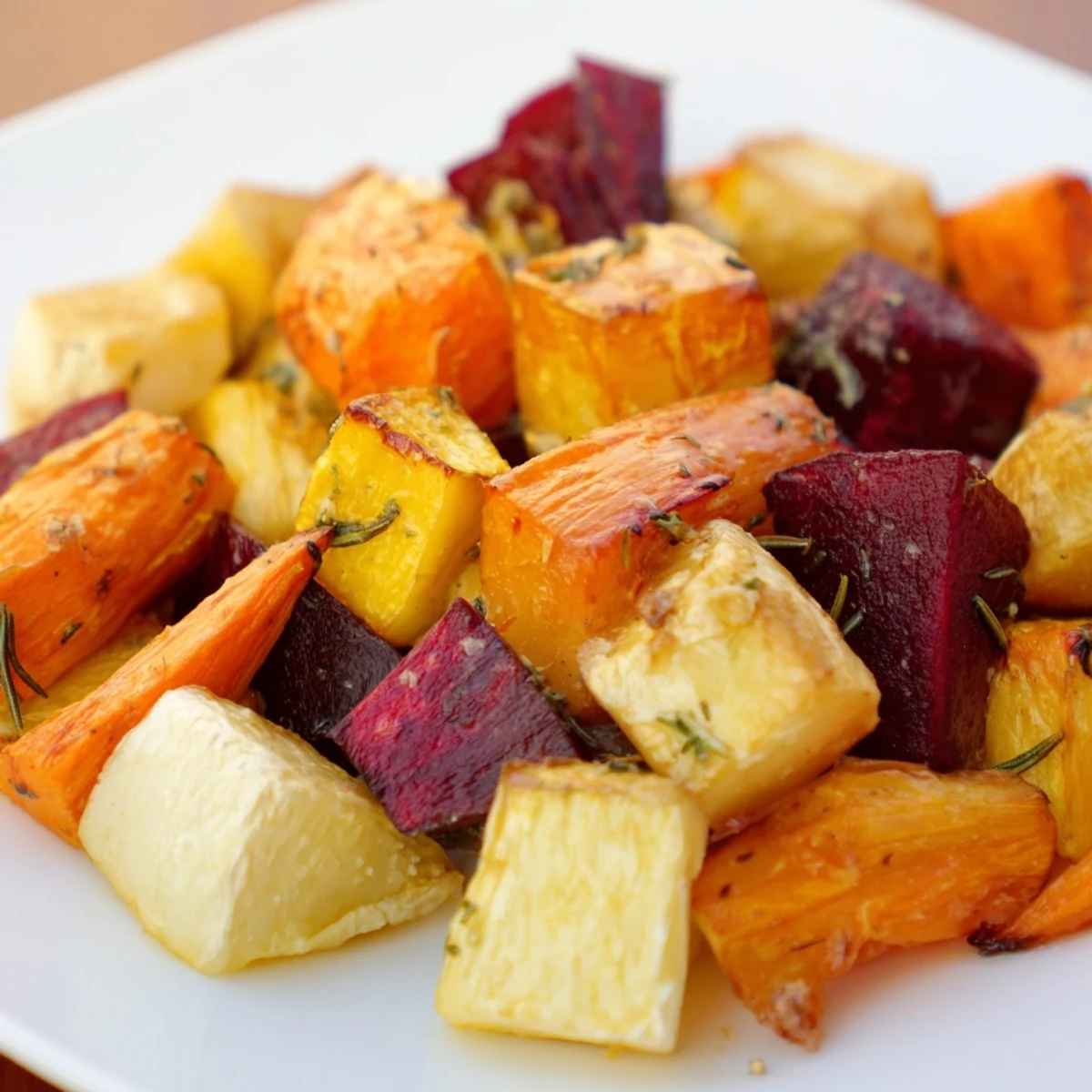
- Put them in the oven for 35 to 40 minutes, stirring halfway through. The vegetables are done when the edges are golden brown and a fork slides through easily.
- Finish and serve:
- Taste for seasoning and add more salt if needed. A tiny pinch of fleur de sel on top just before serving makes people think you're fancier than you are.
 Pin This
 My partner came home while these were roasting and asked if we could eat this every week. I didn't expect root vegetables to become something we'd actually crave, but there it was. Now it's what I make when I want to feel like I'm taking care of people without overthinking it.
Why Root Vegetables Matter
Root vegetables spend their whole growing season storing energy and sweetness in their flesh, which is why roasting concentrates those flavors into something almost candy-like. When you cook them hot and long enough, you're not just heating them—you're triggering the Maillard reaction, which is the chemistry that makes caramelization taste so good. It's the same reason a sear on meat matters, and it works just as well on vegetables if you respect the process.
Variations That Work
The vegetable combination here is flexible, which is the whole point. Turnips, celeriac, and even regular potatoes belong here. I've also used Brussels sprouts when I wanted something less sweet, and squash in late summer when I was trying to use up what I had. The formula stays the same: cut into roughly equal pieces, coat with oil and herbs, and roast until the edges brown.
Serving and Keeping
These are just as good the next day, which is why I often make them on a Sunday and pick at them all week. Reheat them in a 375°F oven for about ten minutes to crisp the edges again, or eat them cold straight from the container if you're standing over the sink at 11 p.m. They're actually better served warm but not piping hot, which gives you some flexibility with timing.
- Pair with roasted chicken, fish, or grains for a complete meal.
- A drizzle of maple syrup or balsamic vinegar on top adds complexity without extra work.
- Leftovers freeze well for up to three months if you store them in an airtight container.
 Pin This
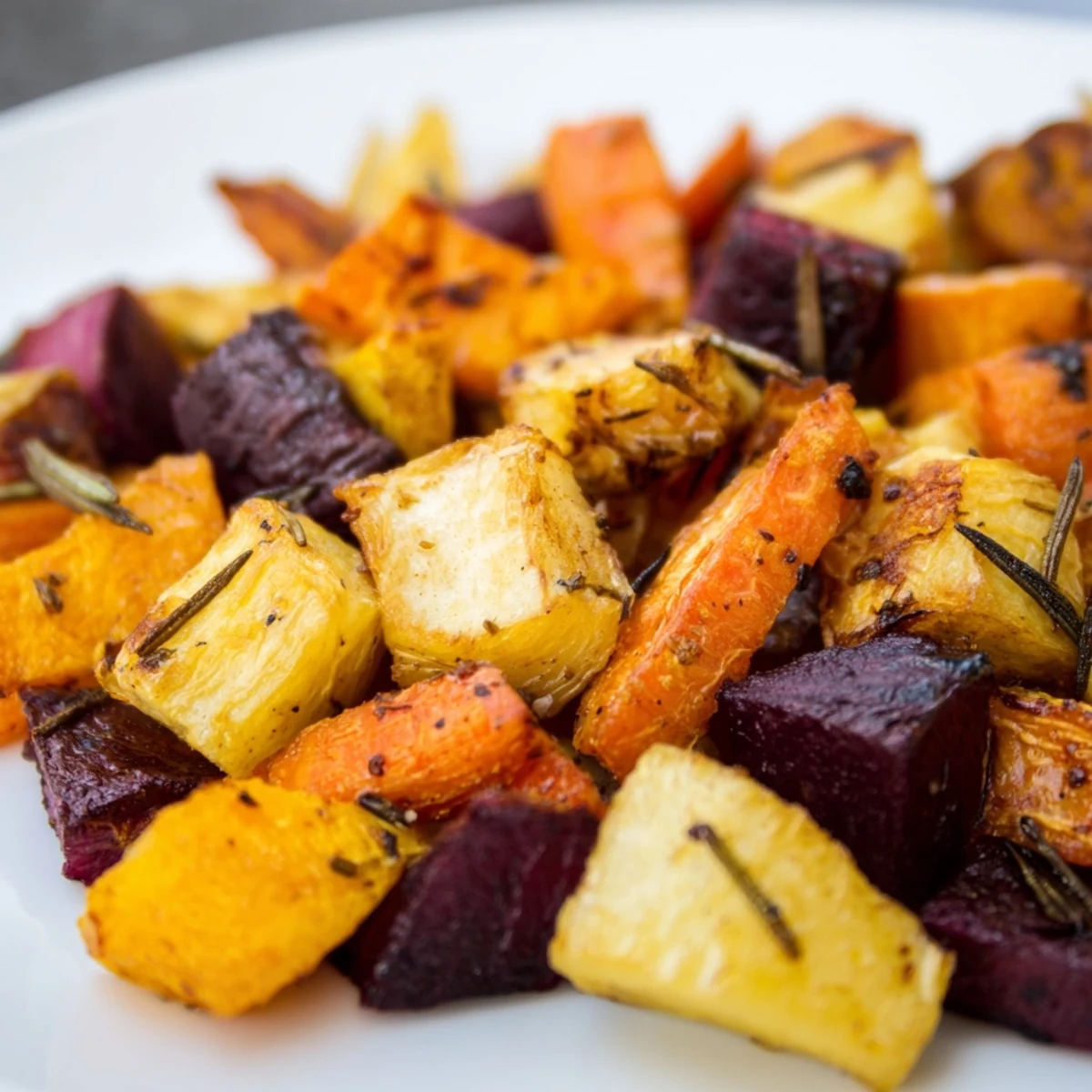
 This recipe taught me that you don't need fancy techniques or a long ingredient list to make something that feels thoughtful. Root vegetables and rosemary are humble, but together they're proof that good cooking is really just about respecting what you have.
Recipe FAQs
- → What vegetables are best for roasting in this medley?
-
Root vegetables like carrots, parsnips, sweet potatoes, beets, and rutabaga work well due to their firm texture and natural sweetness that deepens with roasting.
- → How should the vegetables be prepared before roasting?
-
Peel and cut the vegetables into uniform 1-inch chunks to ensure even cooking and caramelization.
- → What temperature is ideal for roasting these vegetables?
-
Roasting at 425°F (220°C) allows the vegetables to cook through while developing a golden, flavorful crust.
- → Can I customize the herb seasoning?
-
Yes, while fresh rosemary imparts a distinct aroma, you can add herbs like thyme or sage according to your taste preferences.
- → How can I add a hint of sweetness to the dish?
-
Drizzling a little maple syrup or honey before roasting enhances the natural sugars and balances the savory notes.
- → What tools are recommended for preparing these vegetables?
-
A sharp chef's knife, large mixing bowl, baking sheet lined with parchment paper, and a spatula make preparation easier and cleaner.