
 Pin This
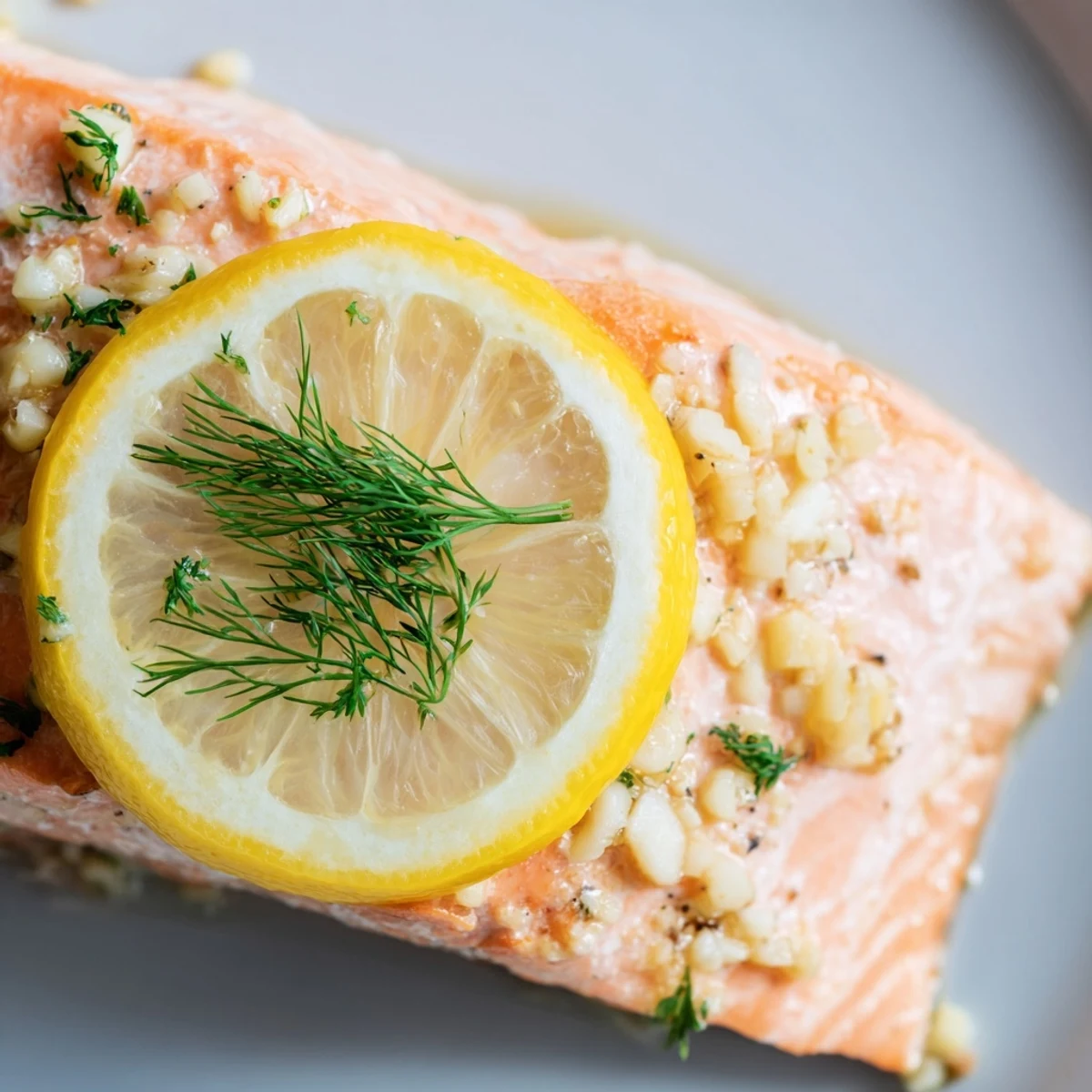
 This dish features salmon fillets baked to tender perfection, infused with lemon juice, fresh thyme, dill, and a subtle hint of garlic. The marinade combines olive oil and Dijon mustard, delivering a bright, savory flavor, while the baking process ensures a flaky, moist texture. Topped with lemon slices and fresh herbs, it’s ideal for a quick, wholesome main course suited for gluten-free and pescatarian diets.
There was a Tuesday evening when my sister called saying she'd be over in an hour, and I had salmon in the fridge but zero inspiration. I opened my spice cabinet, found a sad jar of dried thyme, squeezed a lemon, and realized I was about to cook something that would surprise us both. That one sheet pan became the easiest dinner that somehow tasted like I'd been planning it all week.
I started making this for my roommate who swore she didn't like salmon, mainly because her family had served it overcooked and dry her whole childhood. Watching her take that first bite and then immediately ask for seconds felt like solving a puzzle. Turns out what she needed wasn't salmon to change, but the right way to cook it.
Ingredients
- Salmon fillets (4, about 170 g each): Skin-on keeps things tender and adds flavor if you crisp it up, but skinless works just as well if that's what you prefer.
- Olive oil (2 tablespoons): This carries all your flavors straight into the fish, so use something you'd actually taste in a salad.
- Fresh lemon juice (1 tablespoon): Bottled works in a pinch, but fresh lemon makes the difference between good and memorable.
- Dijon mustard (2 teaspoons): This is your secret weapon—it builds flavor without tasting mustardy, I promise.
- Garlic cloves (2, minced): Don't skip the mincing; big chunks turn bitter in the oven.
- Fresh thyme and dill (1 teaspoon each): Dried versions work if fresh isn't around, just use half the amount since they're more concentrated.
- Salt and pepper (½ teaspoon and ¼ teaspoon): Taste as you go; fish needs a lighter touch than you'd think.
- Lemon slices and fresh herbs (for garnish): These make it look intentional, which matters more than you'd expect.
Instructions
- Heat your oven and prepare:
- Set the oven to 200°C and line your tray with parchment paper—it saves cleanup and keeps the fish from sticking. If parchment isn't there, a light oil coating works fine.
- Make the marinade:
- In a small bowl, whisk the olive oil, lemon juice, mustard, garlic, thyme, and dill until it looks like a loose paste. This is your flavor delivery system, so don't rush it.
- Coat and arrange:
- Place fillets skin-side down, then brush the mixture evenly over each one—get into the edges where flavor hides. Top with a lemon slice that'll warm through and release its oils.
- Bake until just cooked:
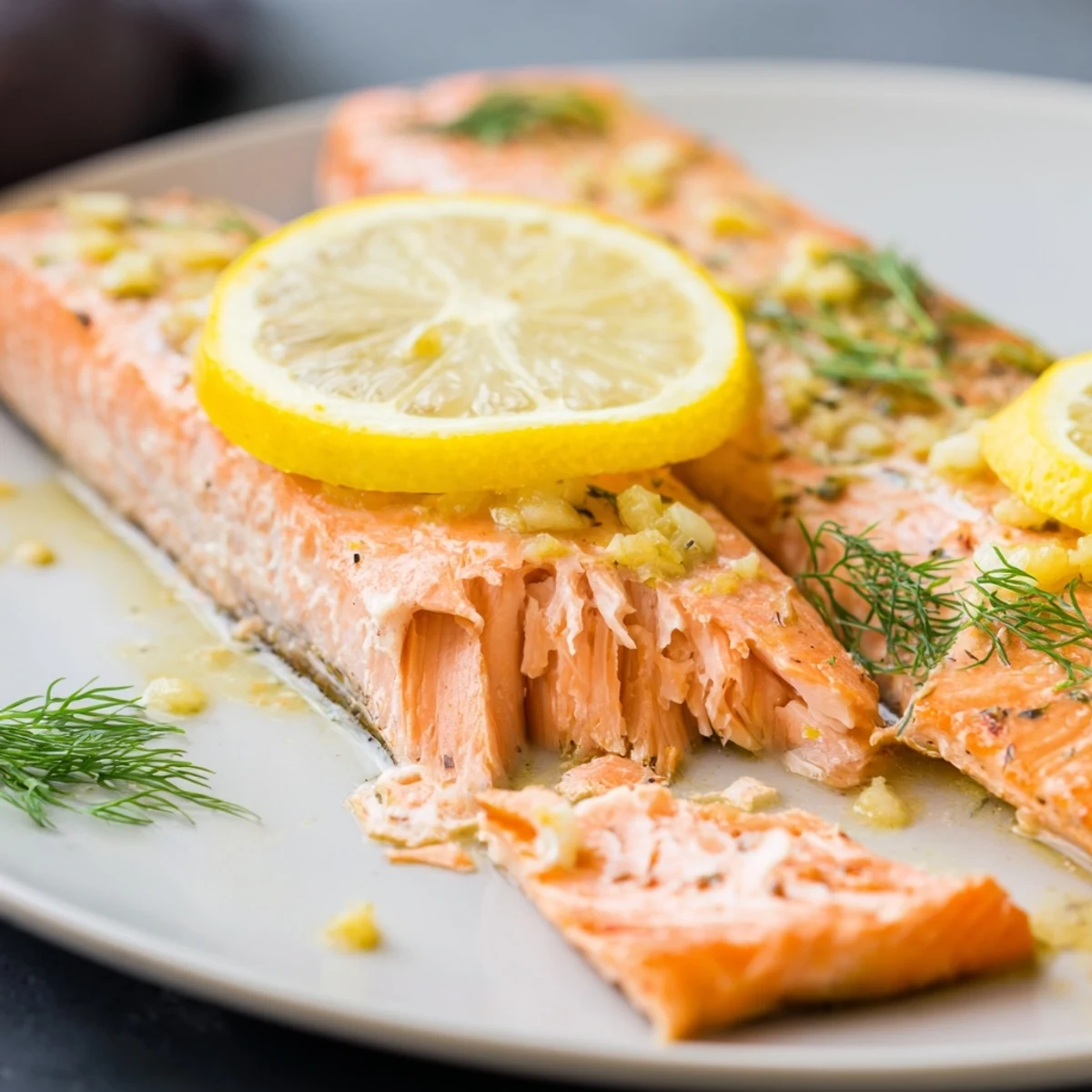
- Slide everything in for 15 to 18 minutes; you're aiming for that moment when the center just turns opaque and flakes easily with a fork. Pull it out a minute early rather than a minute late.
- Finish and serve:
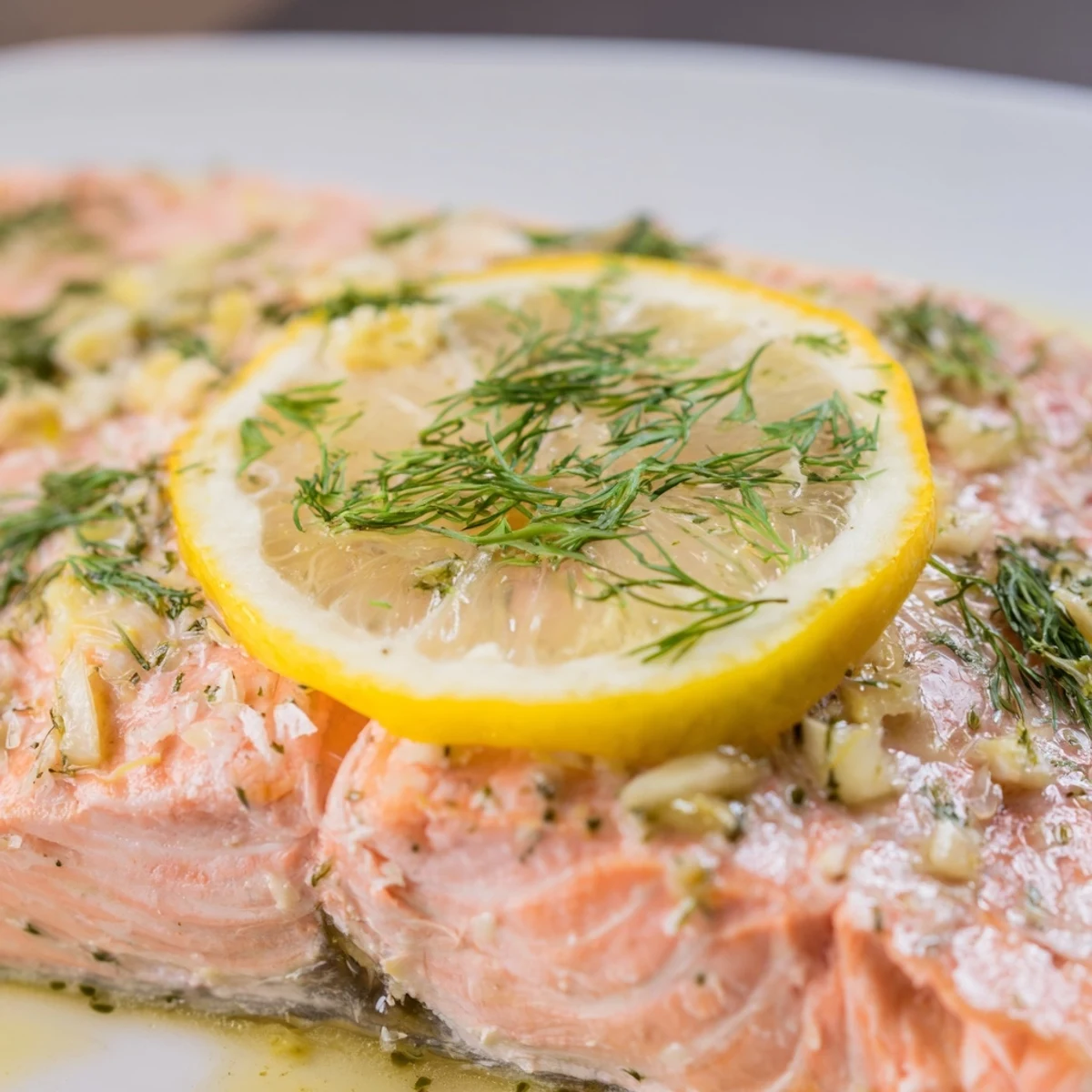
- A scatter of fresh dill or parsley right before plating makes it look restaurant-quality. Trust me on this small gesture.
 Pin This
 My neighbor stopped by right as I pulled the pan out, and the smell alone made her linger. We ended up eating together at the kitchen counter, and that's when I realized this recipe had quietly become a way to turn an ordinary evening into something worth remembering.
Why This Becomes a Regular Rotation
Once you've made this once, you'll find yourself reaching for it whenever you want something that feels both easy and impressive. It's the kind of recipe that lives in your back pocket for those nights when you need to feed people without making a drama out of dinner. I've made it for dates, for family, and for myself on Thursdays when I just need something nourishing that tastes like I tried.
Pairing Ideas That Actually Work
Roasted asparagus or broccoli tossed with garlic and olive oil sits perfectly next to this salmon. A simple rice pilaf or even steamed basmati soaks up the subtle flavors without competing. If you want something fresher, a green salad with a light vinaigrette balances the richness of the fish beautifully.
Variations and Personal Tweaks
This marinade is flexible enough to bend with what you have. I've swapped the dill for tarragon, skipped the mustard when I didn't have any, and even added a tiny pinch of paprika for a different mood. The core formula—something acidic, something aromatic, something creamy—stays the same, so you can play around and make it yours.
- Marinate for 15 to 30 minutes before baking if you want the flavors deeper and the fish more tender.
- If your salmon fillets are thicker than usual, add a few minutes to the baking time and keep an eye on it.
- Leftovers stay good for two days in the fridge and are somehow even better cold in a salad the next day.
 Pin This
 This recipe taught me that the best dinners aren't complicated, they're just made with a little intention. Once you've mastered this, you'll have a skill that works for any night of the week.
Recipe FAQs
- → How do I prevent salmon from drying out when baking?
-
Brush the salmon with a marinade or olive oil and avoid overcooking by baking until just opaque and flaky. Keeping skin on helps retain moisture.
- → Can I use dried herbs instead of fresh?
-
Yes, dried herbs can be used. Use half the amount of dried thyme and dill compared to fresh to maintain balanced flavor.
- → Is it necessary to marinate the salmon?
-
Marinating for up to 30 minutes enhances flavor but is optional. Even a quick brush of marinade before baking adds great taste.
- → What sides pair well with baked salmon?
-
Roasted vegetables, steamed rice, or fresh green salads complement the flavors and provide a balanced meal.
- → Can I bake salmon skin-side up?
-
It’s best to bake skin-side down to help retain moisture and protect the delicate flesh during cooking.