
 Pin This
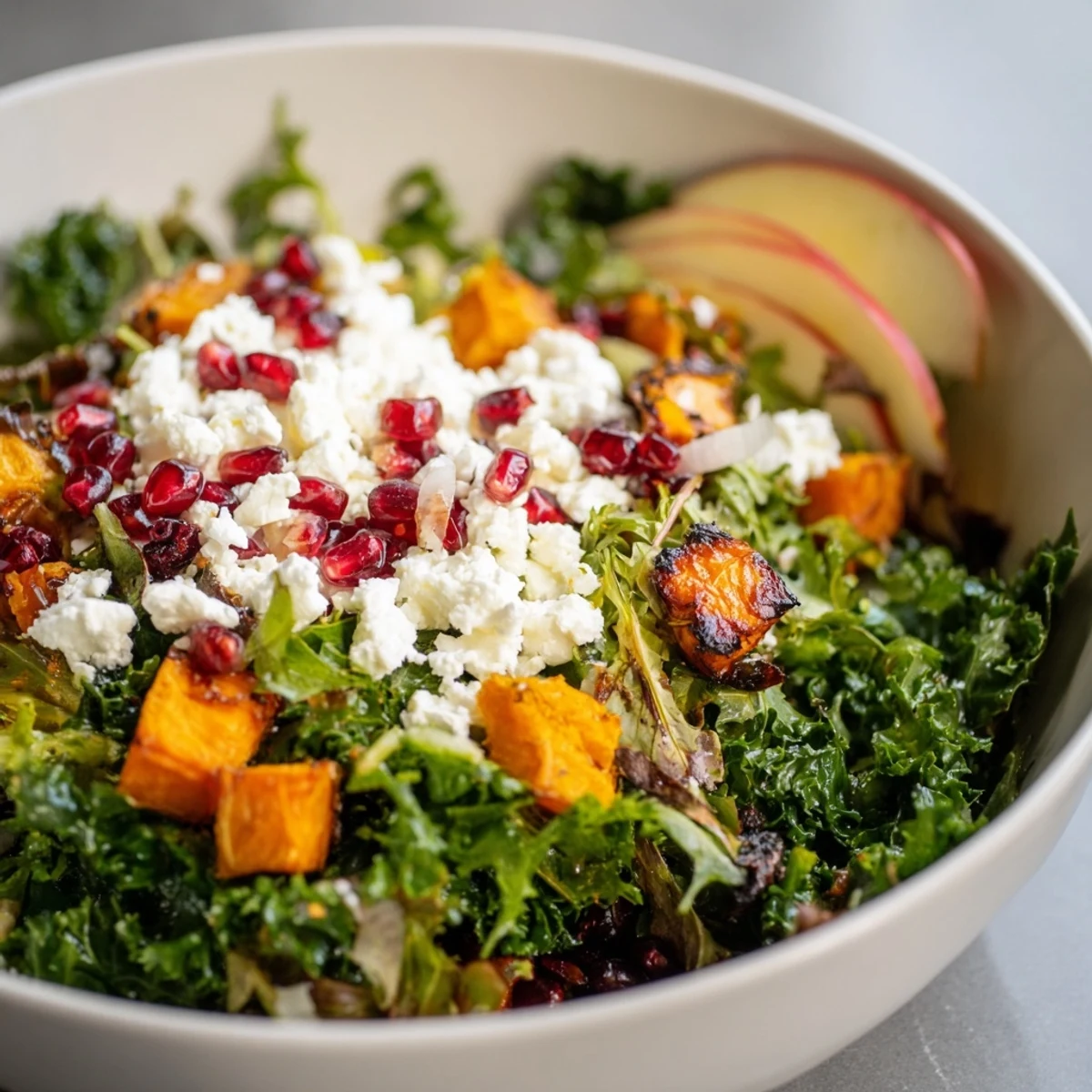
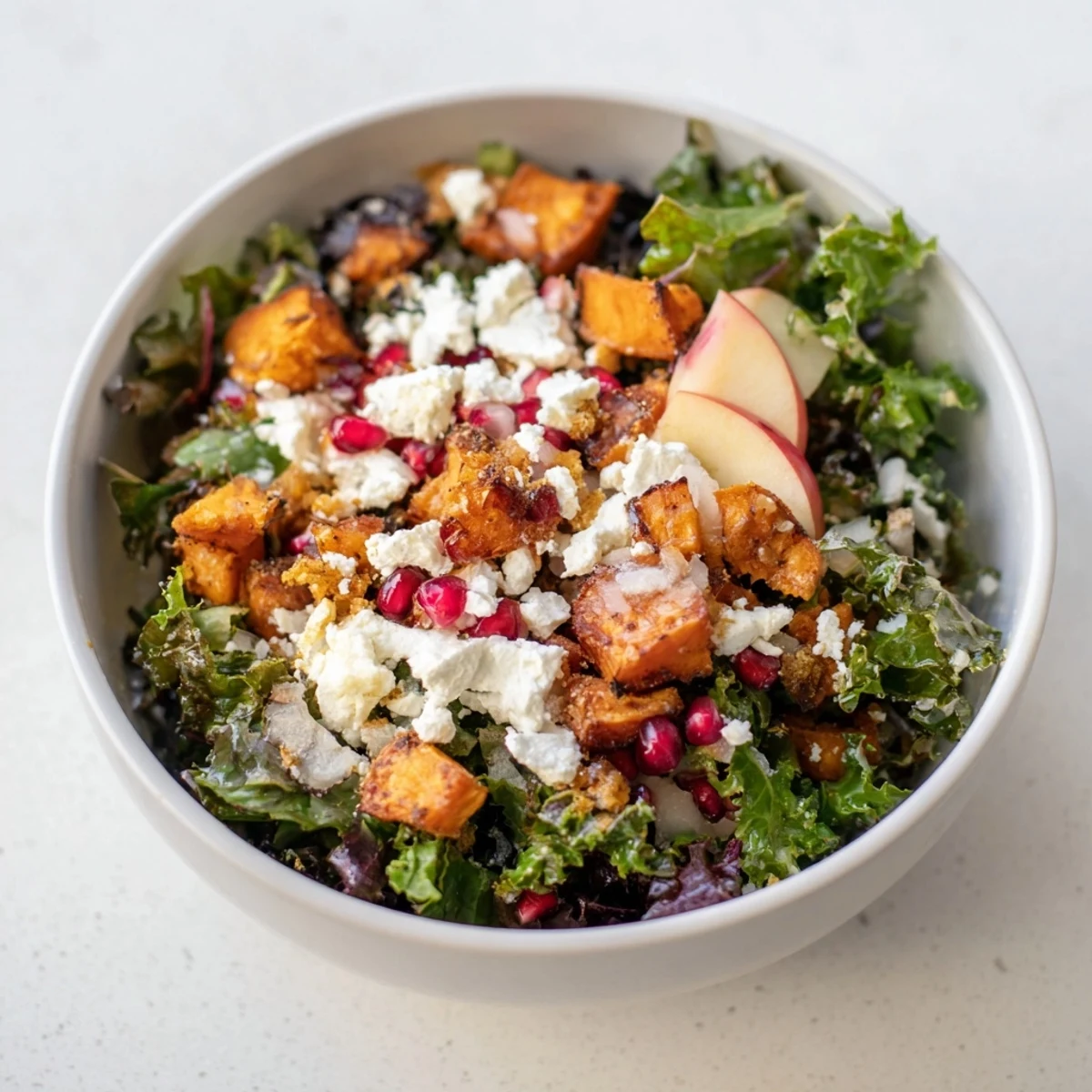
 This winter salad mix combines tender baby kale, peppery arugula, and slightly bitter radicchio with caramelized roasted carrots, sweet potato, and beetroot. Toasted walnuts and creamy goat cheese add texture and richness, while fresh apple slices and pomegranate seeds contribute a bright, sweet contrast. The citrus dressing of orange juice, apple cider vinegar, and Dijon mustard ties all elements together with a lively tang, perfect for chilly days. Enjoy a balanced blend of flavors and textures in this colorful, wholesome salad.
There's something about the first truly cold snap that makes me crave salad—which sounds backwards, I know. But a few winters ago, I was standing in my kitchen on a gray afternoon, staring at a bunch of kale that had somehow survived the frost, and I realized that winter greens didn't need to be sad. They needed the company of something warm and caramelized, something bright. That's when this salad was born: a deliberate clash of seasons that somehow made perfect sense.
I made this for my sister during her first visit after moving back to the city, and watching her face when she bit into the combination of warm beetroot and cool goat cheese—I'll never forget that small, genuine smile. She asked for the recipe before she left, and honestly, that moment felt like the real victory of the afternoon.
Ingredients
- Baby kale and arugula: Winter greens have a deeper, more mineral-forward flavor than their summer cousins—they're tougher too, so they won't wilt the moment you dress them.
- Radicchio: This purple and white striped leaf brings a pleasant bitterness that keeps everything from feeling too sweet.
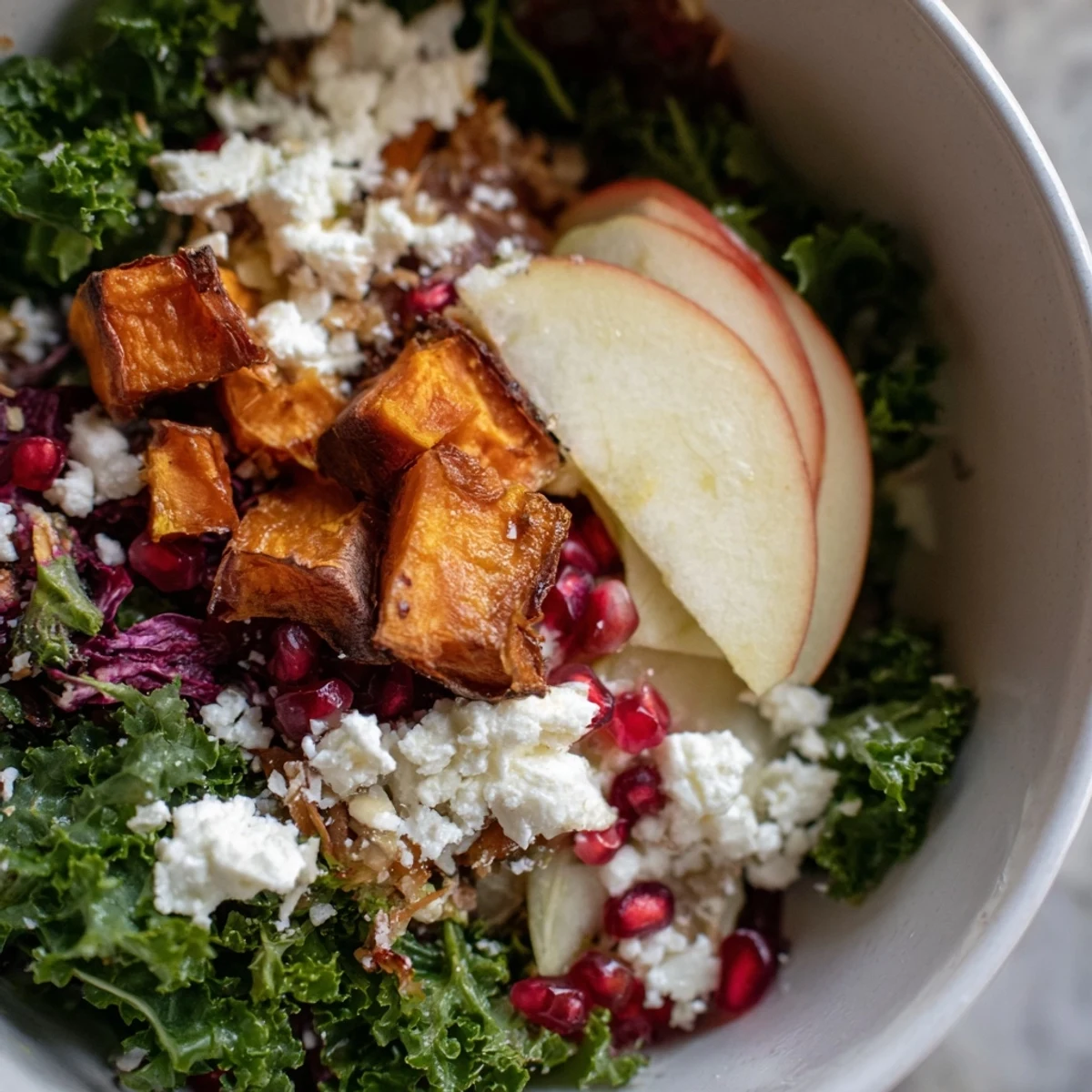
- Carrots, sweet potato, and beetroot: These are the stars of the show—their natural sugars concentrate when roasted, creating little caramelized pockets that make each bite interesting.
- Walnuts: Toast them yourself in a dry pan for two minutes; the difference between raw and toasted is night and day.
- Goat cheese: The tanginess cuts through the sweetness and adds a creamy texture that brings everything together.
- Apple slices: They add a fresh, crisp counterpoint; toss them in a squeeze of lemon juice to prevent browning.
- Pomegranate seeds: Their bright jewel-like appearance and subtle tartness feel like a small celebration in every forkful.
- Extra-virgin olive oil: Use a good one you actually like tasting; it's half the dressing, so it matters.
- Orange juice and apple cider vinegar: Together they create a dressing that's balanced—bright without being harsh, sweet without being cloying.
Instructions
- Heat your oven and prep your pan:
- Set the oven to 200°C (400°F) and line your baking tray with parchment paper—this makes cleanup easy and prevents sticking. A hot oven is going to caramelize those vegetables beautifully.
- Season and spread the root vegetables:
- Toss your diced carrots, sweet potato, and beetroot with 2 tablespoons of olive oil, salt, and pepper until they're well coated. Spread them in a single layer on the tray, trying to give each piece a little space so they roast rather than steam.
- Roast until golden:
- Pop them in the oven for 20–25 minutes, turning them halfway through with a wooden spoon. You're looking for tender flesh with lightly caramelized, slightly darkened edges. The kitchen will smell incredible—that's how you know it's working.
- Build your greens base:
- While the vegetables are roasting, combine your baby kale, arugula, and radicchio in a large salad bowl. The sturdy winter greens can handle some gentle massaging at this point if you like them more tender, but a light hand is fine too.
- Assemble the components:
- Once the roasted vegetables have cooled just slightly (warm is actually perfect), add them to the greens along with your apple slices, toasted walnuts, crumbled goat cheese, and pomegranate seeds. Don't dress it yet—the vegetables are still warm and you want them to stay that way.
- Make your dressing:
- In a small bowl, whisk together the extra-virgin olive oil, fresh orange juice, apple cider vinegar, Dijon mustard, and honey. Keep whisking for a minute—you want the mustard and honey to help emulsify everything into something cohesive and glossy. Taste it and adjust the salt and pepper.
- Dress and serve:
- Drizzle the dressing over the salad just before serving and toss gently with your hands or two wooden spoons. The warmth of the roasted vegetables will soften the kale just enough, and everything will come together into something greater than its parts.
 Pin This
 What I didn't expect was how this became my go-to salad for those moments when I needed to feel like I had my life together—the kind of dish that looks intentional and tastes like you spent hours on it, when really you just channeled your seasons and your pantry into something honest. That matters more than the recipe itself.
Why Roasted Vegetables Change Everything
Raw vegetables are fine, but there's an alchemy that happens when you apply heat to something with natural sugars in it. The roasting caramelizes those sugars, creating depth and complexity that you simply cannot get from raw. It's the difference between a snack and a meal. In winter especially, when fresh produce is naturally smaller and more concentrated in flavor, this technique makes your vegetables sing rather than whisper.
The Dressing Makes the Salad
I've learned that a great dressing isn't about being complicated—it's about balance. The orange juice brings brightness, the apple cider vinegar adds complexity, and the tiny bit of honey rounds out the acidity so it feels like a warm hug rather than a slap. That Dijon mustard in there isn't about flavor so much as it is about emulsification; it helps the oil and vinegar play nicely together instead of separating on the plate. This is restaurant-quality thinking applied to something you're making in ten minutes.
Variations and Flexibility
The beauty of this salad is that it's a template rather than a rigid instruction. I've made it with roasted Brussels sprouts instead of carrots on days when I had those on hand. I've used pecans when walnuts weren't available, and the flavor shifts subtly but stays in the same family. Once you understand the logic—warm roasted vegetables, sturdy winter greens, something creamy, something tart, something that crunches—you can adapt it to whatever your week looks like.
- For a vegan version, skip the goat cheese or use a plant-based alternative like cashew cream or dairy-free feta.
- Pecans, pumpkin seeds, or sunflower seeds work beautifully in place of walnuts.
- Try this with a crisp Sauvignon Blanc or a light-bodied Pinot Noir if you're in the mood to pair it with something.
 Pin This
 Winter salads don't have to feel like punishment masquerading as health. This one tastes like kindness, and that's the kind of cooking worth remembering.
Recipe FAQs
- → What greens are best for this salad mix?
-
Baby kale, arugula, and radicchio provide a balanced mix of flavors, combining peppery, bitter, and tender textures ideal for this salad.
- → How should the root vegetables be prepared?
-
Peel and dice carrots, sweet potato, and beetroot before roasting them in olive oil, salt, and pepper until tender and caramelized.
- → Can I substitute the goat cheese?
-
Yes, for a dairy-free version, replace goat cheese with a plant-based alternative or omit it altogether.
- → How is the citrus dressing made?
-
Whisk together extra-virgin olive oil, freshly squeezed orange juice, apple cider vinegar, Dijon mustard, honey, salt, and pepper until emulsified.
- → What is a good wine pairing for this salad?
-
A crisp Sauvignon Blanc or a light-bodied Pinot Noir complements the salad’s vibrant flavors beautifully.