 Pin This
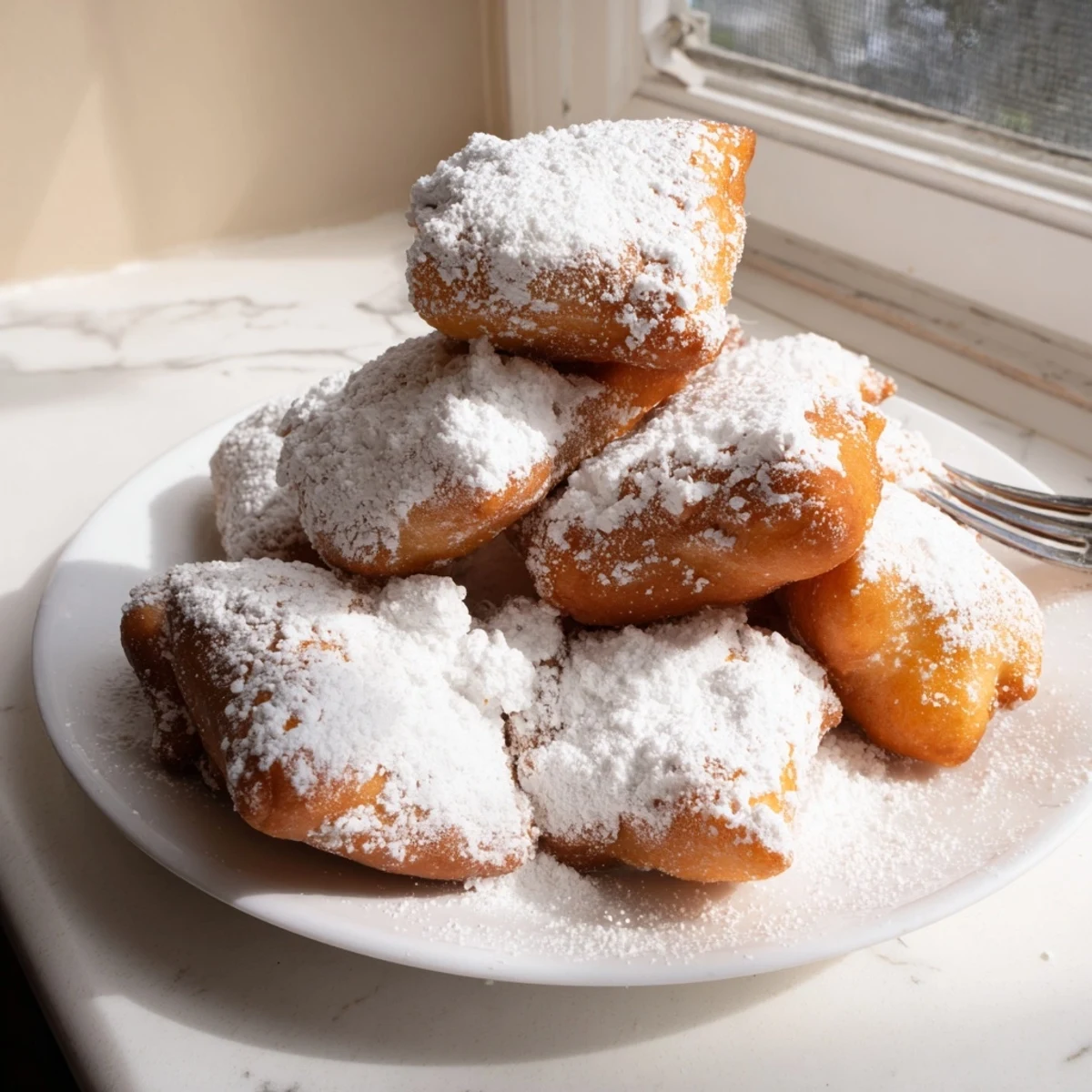
 These traditional vanilla French beignets deliver the perfect balance of pillowy texture and delicate vanilla flavor. The dough rises beautifully to create airy, light squares that fry up golden and crisp. After a quick dusting of powdered sugar while warm, each bite melts in your mouth with subtle sweetness. The process requires patience for rising time, but the result is an authentic café-style pastry that rivals any New Orleans bakery. Perfect alongside morning coffee or as an elegant dessert, these beignets are best served fresh and warm for that irresistible just-made texture.
The first time I walked into Café du Monde in New Orleans, the air was so thick with powdered sugar floating around that I had to laugh. My black sweater looked like it had been through a snowstorm by the time I left, but taking that first bite of hot, pillowy beignet made me completely understand the obsession. I came home determined to recreate that experience in my tiny kitchen, and after many batches and some serious trial and error, I developed this vanilla-scented version that my family now asks for every Sunday morning.
Last winter my sister came over for what was supposed to be a quick coffee catch up, but I had a batch of these rising on the counter. Two hours later we were still at the kitchen table, fingers sticky with powdered sugar, coffee long gone cold, just talking and eating warm beignets straight from the paper towels. Thats when I realized these arent just breakfast, they are an excuse to slow down and linger a little longer with people you love.
Ingredients
- All purpose flour: This creates the perfect structure for pillowy beignets without making them too dense or chewy
- Active dry yeast: Make sure your water is warm but not hot to properly activate the yeast for that gorgeous rise
- Whole milk: Room temperature milk incorporates better into the dough and creates a tender crumb
- Unsalted butter: Melt and cool this completely so it does not cook your eggs when you add it to the mixture
- Pure vanilla extract: Do not skimp here, this is what elevates these from simple fried dough to something memorable
- Powdered sugar: Dust them while they are still warm so it melts slightly and creates that signature coating
Instructions
- Wake up the yeast:
- Combine warm water with yeast in a small bowl and let it get foamy for about 5 minutes, which tells you it is alive and ready to work
- Mix the dry ingredients:
- Whisk flour, sugar, and salt together in your stand mixer bowl so everything is evenly distributed
- Bring the dough together:
- Add yeast mixture, milk, eggs, melted butter, and vanilla, then mix with dough hook for 5 to 7 minutes until smooth and slightly sticky
- Let it rise:
- Transfer dough to an oiled bowl, cover with plastic wrap, and let it double in size in a warm spot for 1 to 1.5 hours
- Shape the beignets:
- Punch down dough, roll to half inch thickness on floured surface, and cut into 2 inch squares with a sharp knife
- Second rise:
- Place squares on parchment paper, cover loosely, and let them puff up for another 30 minutes
- Heat the oil:
- Bring vegetable oil to 350 degrees in a heavy bottomed pot, using a thermometer to maintain the temperature
- Fry to golden:
- Cook beignets for 1 to 2 minutes per side until golden brown and puffed, being careful not to crowd the pot
- Sugar shower:
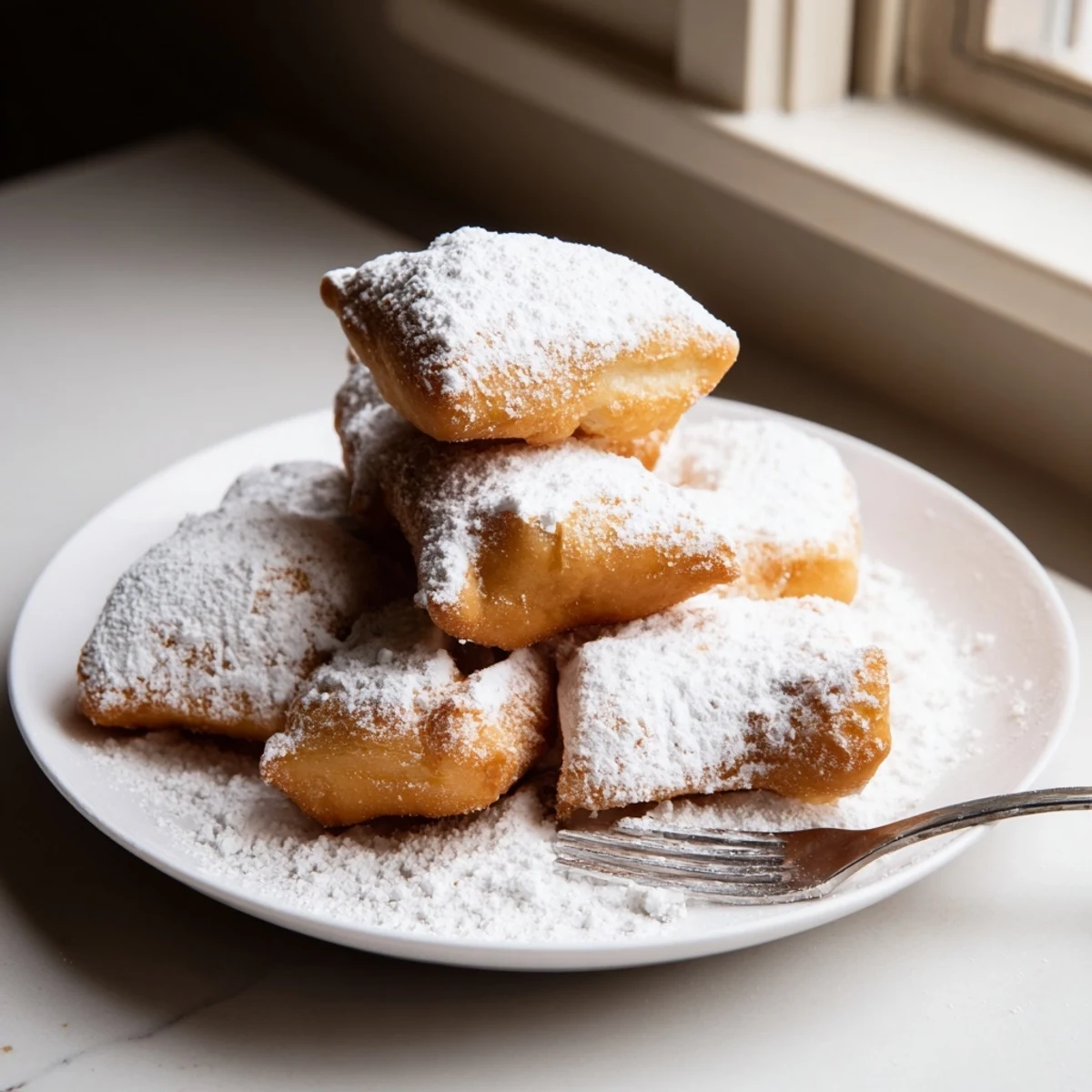
- Drain briefly on paper towels and generously dust with powdered sugar while still warm
 Pin This
 My daughter asked if we could have a beignet party for her eighth birthday, and I thought she meant just eating them. She invited three friends over, I set up a station with bowls of colored powdered sugar, and they decorated their own beignets like little artists. The kitchen was covered in sugar and laughter, and seeing those proud faces holding their creations is one of my favorite cooking memories ever.
Making Ahead
You can make the dough the night before and let it do its first rise in the refrigerator, which actually develops more flavor. Just bring it to room temperature for about 30 minutes before rolling and cutting, then proceed with the second rise as usual.
Frying Wisdom
I learned the hard way that a splatter guard is your best friend when frying these. Also, keep a bowl of ice water near the stove in case you get splashed, and never walk away from hot oil even for a second.
Serving Ideas
While these are perfect on their own, I love serving them with a simple raspberry jam for dipping, or you can go full café style and serve alongside strong coffee or hot chocolate for dipping.
- Try chocolate sauce for an extra indulgent dessert version
- Honey drizzled over warm beignets creates this lovely sticky sweet situation
- A squeeze of fresh lemon juice cuts through the richness beautifully
 Pin This
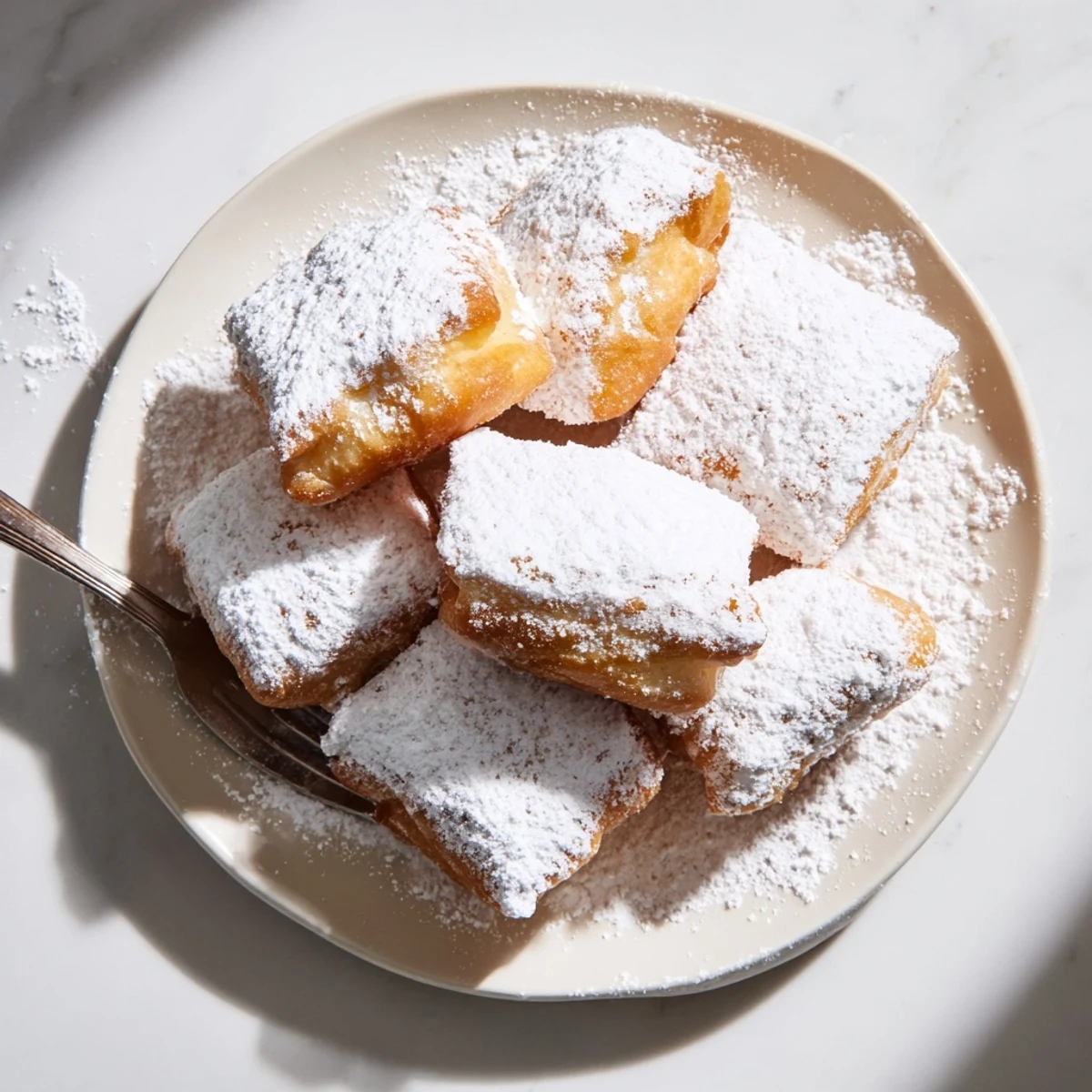
 There is something magical about pulling warm beignets from the oil and watching that snowfall of powdered sugar coat them. They bring a little bit of New Orleans magic right into your kitchen.
Recipe FAQs
- → What makes beignets different from regular donuts?
-
Beignets are a French pastry made from a yeast-risen dough that's square-cut and deep-fried until puffy and golden. Unlike American donuts, beignets have no hole, a lighter airier texture, and are always generously dusted with powdered sugar rather than glazed. The dough includes eggs and butter for richness, creating that signature pillowy bite.
- → Can I make the dough ahead of time?
-
Yes, the dough actually benefits from an overnight rise in the refrigerator. This slow fermentation develops deeper flavor. After the initial rise, punch down the dough, wrap tightly, and refrigerate for up to 24 hours. Let it come to room temperature for 30 minutes before rolling and cutting, then proceed with the second rise as directed.
- → Why did my beignets turn out dense or heavy?
-
Dense beignets usually result from under-rising dough or oil that's too cool. Ensure your dough doubles in size during both rises, and maintain oil at 350°F — too cool and they absorb excess grease, too hot and they burn outside while remaining raw inside. Also avoid overworking the dough during rolling, which can toughen the texture.
- → What's the best way to keep beignets warm for serving?
-
Place a wire cooling rack on a baking sheet in a 200°F oven. As you finish frying each batch, transfer them to the rack in the oven. This keeps them warm and crisp while you finish the remaining dough. Avoid covering them with foil or paper towels, which traps steam and makes them soggy.
- → Can I bake these instead of frying?
-
While baking produces a similar treat, they won't be authentic beignets. For a baked version, brush dough squares with melted butter and bake at 375°F for 12-15 minutes until golden, then dust with sugar. However, the texture will be more like a bread roll rather than the characteristic crispy exterior and soft interior of fried beignets.
- → How do I know when the oil is ready for frying?
-
Use a kitchen thermometer to maintain 350°F — this is crucial for proper results. Without a thermometer, test by dropping a small piece of dough into the oil; it should sizzle immediately and rise to the surface within 2-3 seconds. If it sinks without bubbling, the oil is too cool. If it browns instantly, it's too hot.