 Pin This
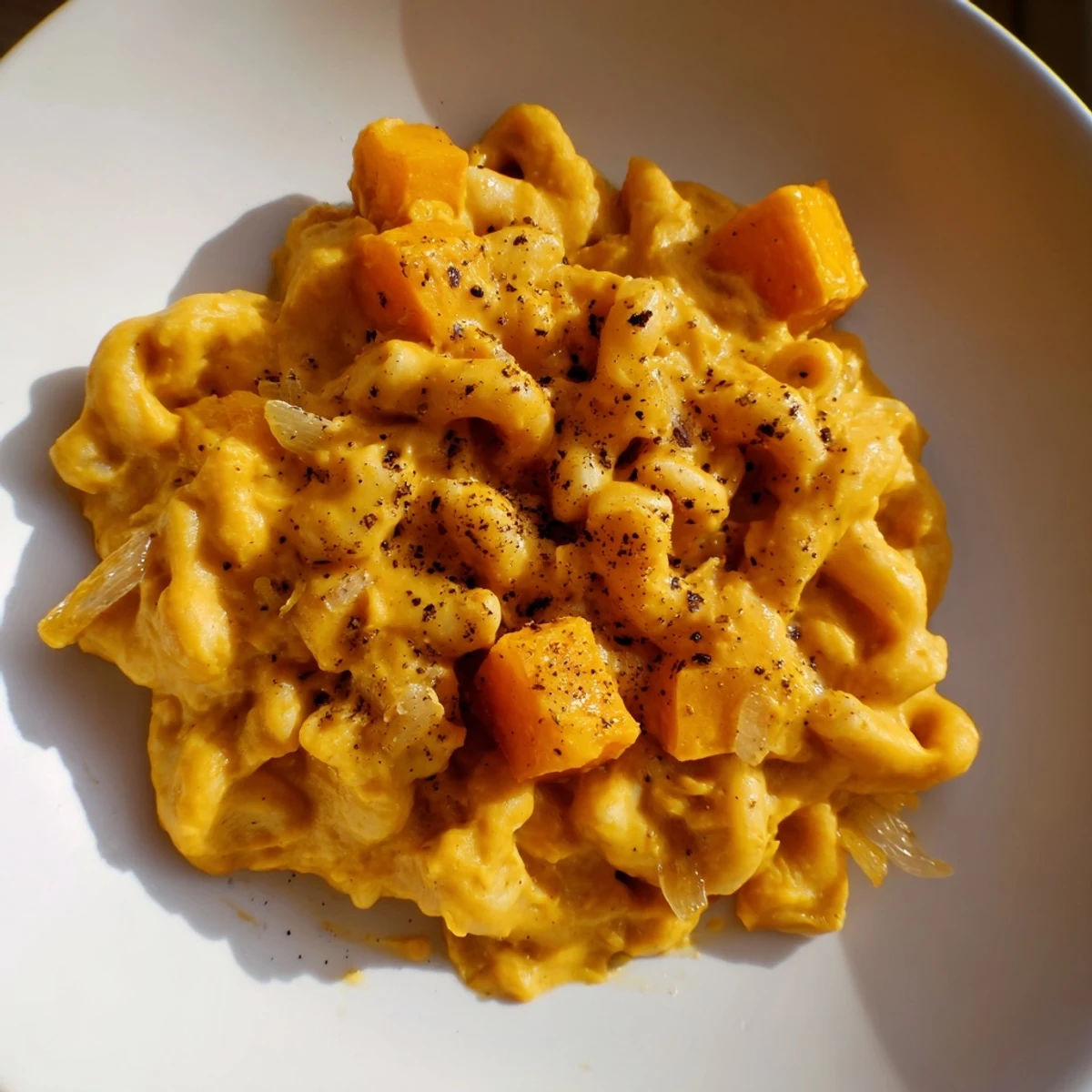
 This dish showcases tender roasted butternut squash blended into a creamy, dairy-free sauce, perfectly coating elbow macaroni. Aromatic spices like smoked paprika and turmeric add warmth, while nutritional yeast offers a subtle cheesy depth. Roasting the squash brings out sweetness, and optional panko topping adds delightful crunch. Ideal for a comforting, plant-based meal packed with rich flavors and wholesome ingredients.
I tossed the first forkful of this vegan mac and cheese to my sister without warning, and she paused mid-chew, confused. "Wait, where's the cheese?" she asked, squinting at the bowl. The butternut squash had blended into something so creamy and rich, she couldn't believe it was dairy-free. That moment sold me on this recipe for good.
I made this on a Sunday when my nephew announced he was trying veganism for a month. He sat at the table, arms crossed, clearly bracing for bland food. By his third serving, he stopped talking entirely and just scraped the bottom of the dish. My brother texted me later asking for the recipe.
Ingredients
- Elbow macaroni: The ridges grab onto the sauce beautifully, but shells or cavatappi work just as well if thats what you have in the pantry.
- Butternut squash: Roasting it brings out a caramelized sweetness that balances the tang from the lemon and mustard, don't skip this step.
- Yellow onion and garlic: Roasting them mellows the sharpness and adds a deep, savory backbone to the sauce.
- Soy or oat milk: Use unsweetened or the sauce will taste like dessert, oat milk gives a slightly creamier finish.
- Nutritional yeast: This is what gives the sauce that cheesy, umami flavor without any dairy.
- Lemon juice and Dijon mustard: They add brightness and a subtle sharpness that keeps the sauce from feeling one-dimensional.
- Turmeric and smoked paprika: Turmeric gives it that golden cheese color, paprika adds a whisper of smokiness.
- Panko breadcrumbs: Optional, but if you like a little crunch on top, this toasted topping is worth the extra two minutes.
Instructions
- Roast the vegetables:
- Preheat your oven to 200°C (400°F) and toss the squash, onion, and garlic with a little olive oil and salt. Spread them out on parchment paper and roast for 25 to 30 minutes until everything is soft and starting to brown at the edges.
- Cook the pasta:
- While the vegetables roast, boil your pasta according to the package directions. Drain it and set it aside, don't rinse it or the sauce won't cling as well.
- Blend the sauce:
- Toss the roasted vegetables into a blender with the plant milk, nutritional yeast, lemon juice, mustard, turmeric, paprika, salt, and pepper. Blend until its completely smooth and tastes like something youd want to eat with a spoon.
- Heat and combine:
- Warm a tablespoon of olive oil in a large pot over medium heat, pour in the sauce, and stir for a couple of minutes. Add the cooked pasta and toss until every piece is coated.
- Add the topping:
- If you want crunch, mix panko with a bit of olive oil, sprinkle it over the mac and cheese, and broil for two to three minutes until golden. Watch it closely so it doesn't burn.
 Pin This
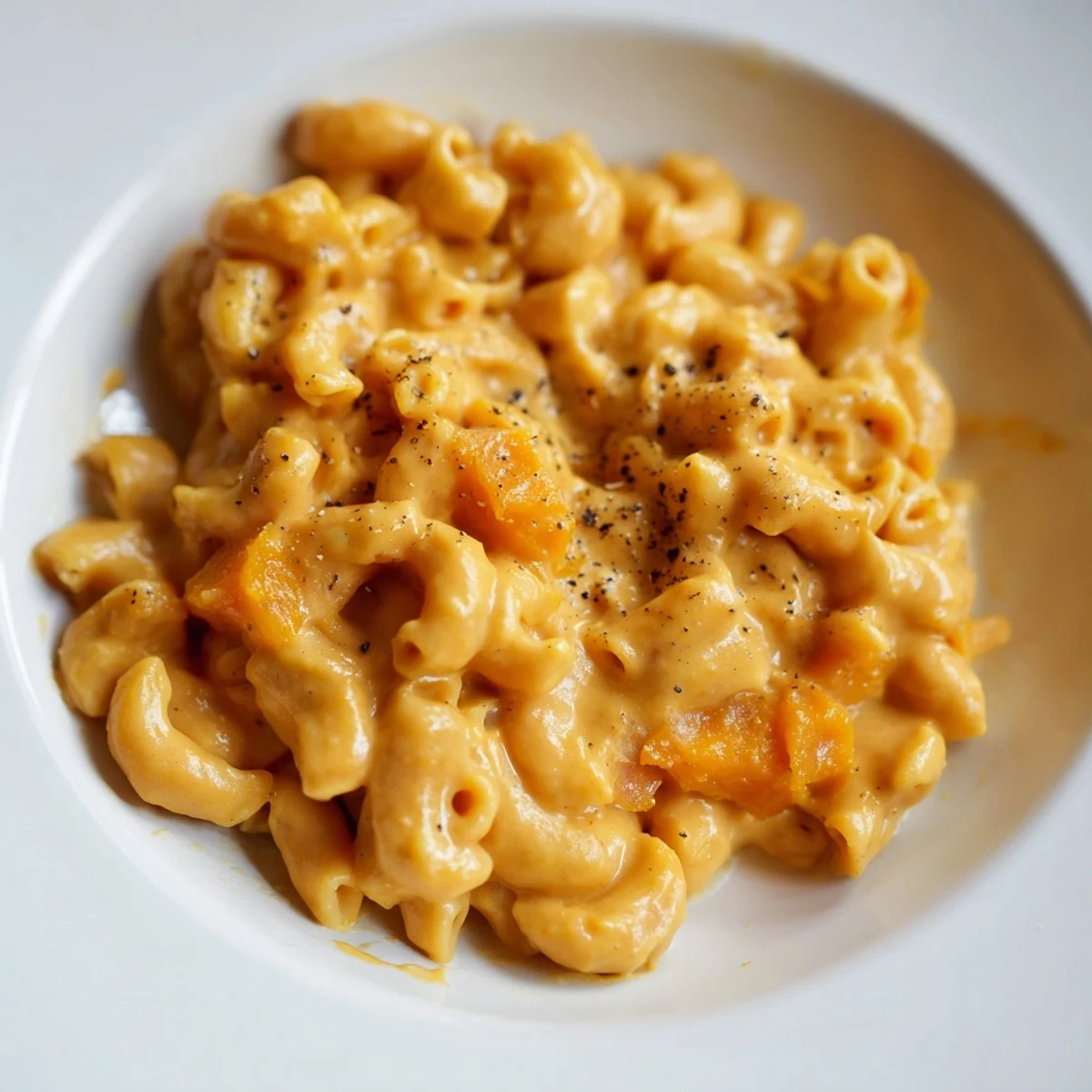
 The first time I brought this to a dinner party, someone asked if I'd used cashews. I hadn't, but the squash had done all the heavy lifting on its own. It felt like a small victory, proving that vegan comfort food doesn't need to rely on expensive nuts or processed cheese substitutes.
How to Pick the Right Squash
Look for a butternut squash that feels heavy for its size and has a matte, tan skin without soft spots. The neck should be long and thick, thats where most of the flesh is. I learned the hard way that a squash with a huge bulb and skinny neck leaves you with more seeds than usable cubes.
Make It Your Own
I've stirred in sautéed spinach, roasted broccoli, and even caramelized mushrooms depending on what needed using up in the fridge. A pinch of cayenne or red pepper flakes adds a gentle heat that plays nicely with the sweetness. Once I added a tablespoon of miso paste to the sauce and it became almost too savory to stop eating.
Storing and Reheating
This keeps in the fridge for up to four days in an airtight container. Reheat it gently on the stove with a splash of plant milk to loosen the sauce, microwaving works but can make the pasta a little rubbery. I've never had leftovers last long enough to freeze, but I imagine it would hold up fine for a month if you wanted to prep ahead.
- Add the milk slowly when reheating so you don't end up with soup.
- If the topping gets soggy, refresh it under the broiler for a minute.
- Leftover sauce freezes beautifully on its own and works as a dip or veggie coating later.
 Pin This
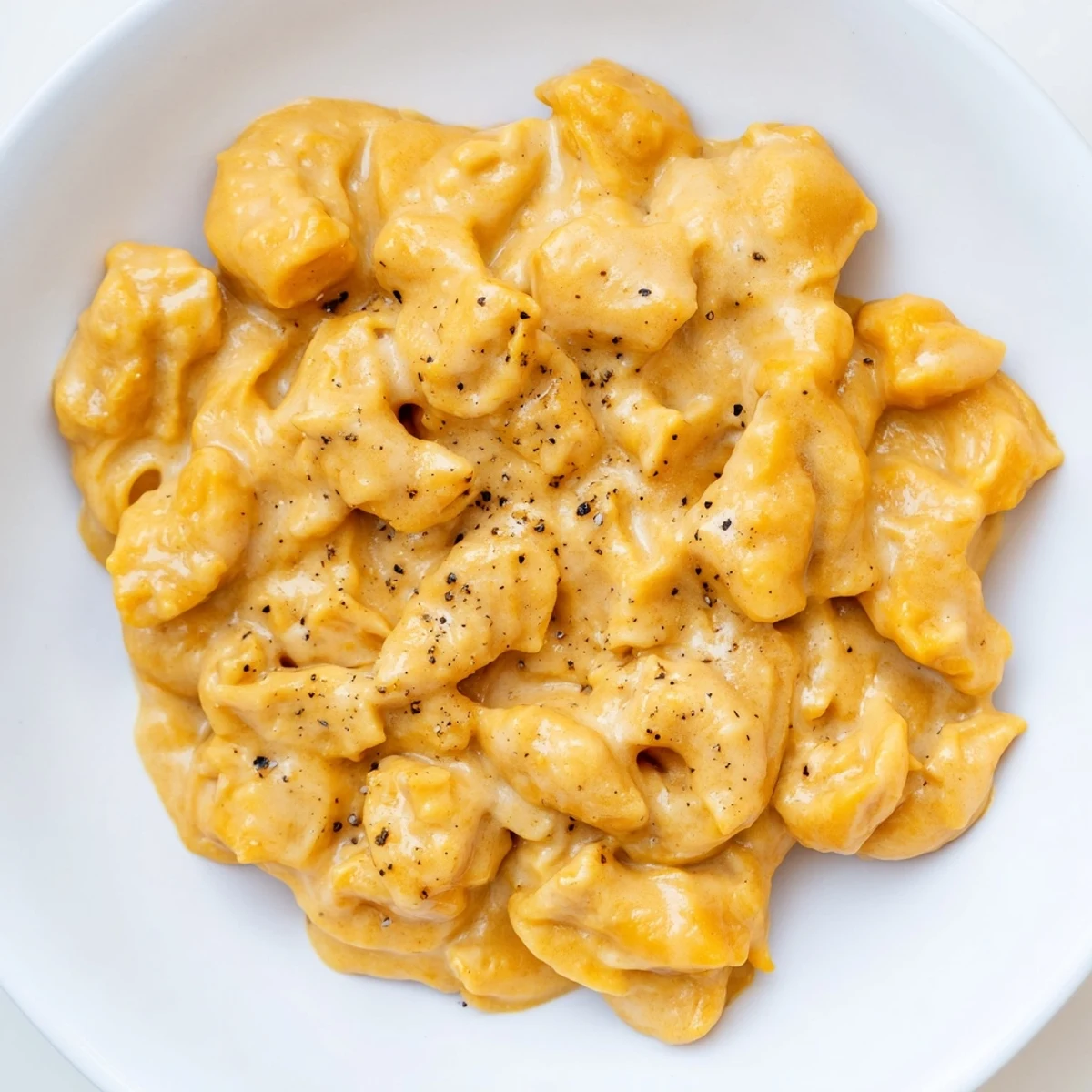
 This dish has converted more skeptics than I can count, and it never gets old watching someone realize comfort food doesnt need dairy to feel like a hug. Make it once and youll understand why I keep butternut squash stocked year-round.
Recipe FAQs
- → Can I use other pasta shapes?
-
Yes, short pasta like shells or cavatappi work well to hold the sauce.
- → How do I make the sauce creamy without dairy?
-
Blending roasted squash with plant-based milk and nutritional yeast creates a smooth, rich sauce.
- → What spices enhance the flavor?
-
Smoked paprika, turmeric, Dijon mustard, and black pepper add warmth and depth.
- → Can I add a crunchy topping?
-
Panko breadcrumbs tossed in olive oil and broiled briefly create a nice crisp layer.
- → Is there a nut-free option?
-
The base version is nut-free; optional cashews can be added for extra richness if desired.
- → How to store leftovers?
-
Keep refrigerated in an airtight container up to 3 days; reheat gently on stove or microwave.