
 Pin This
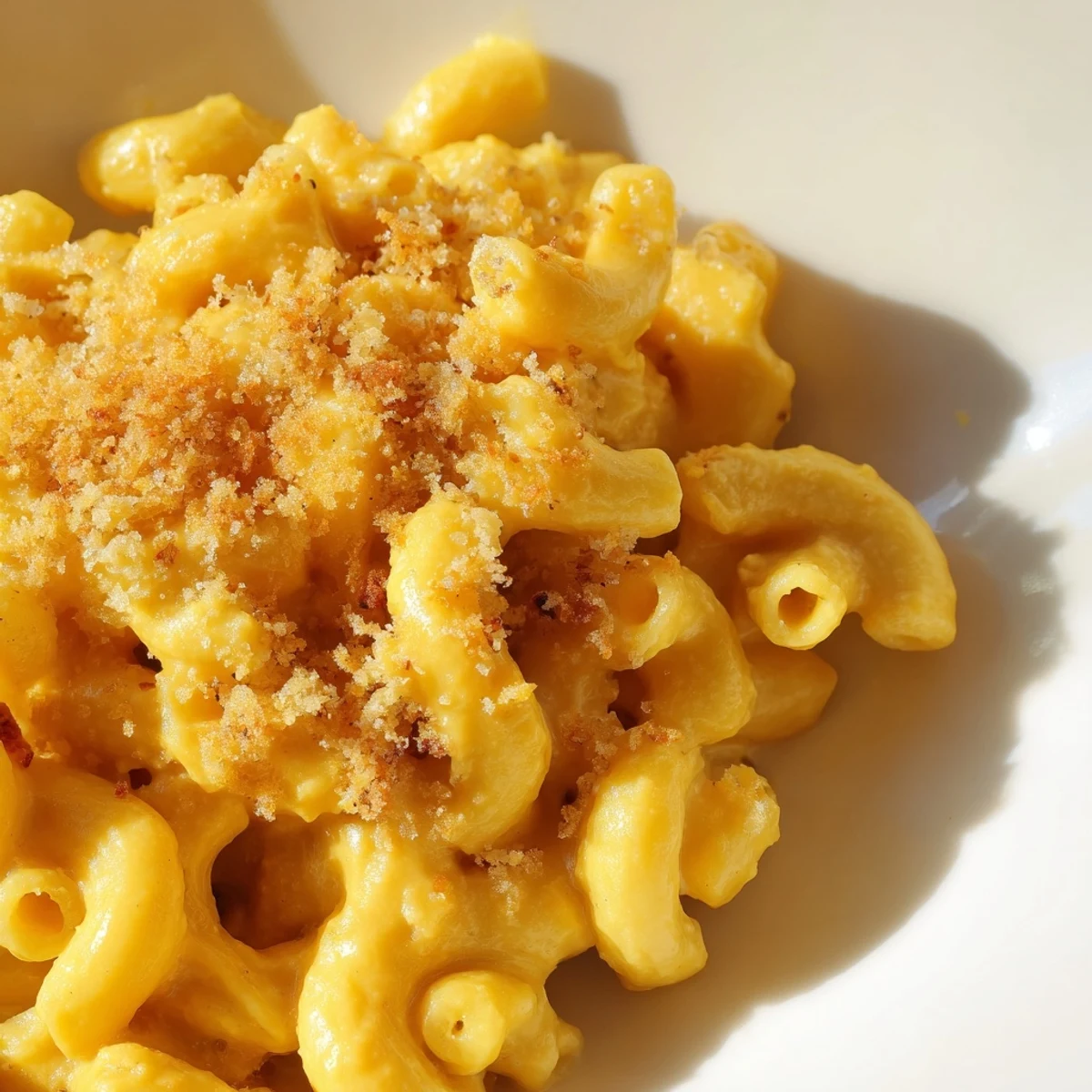
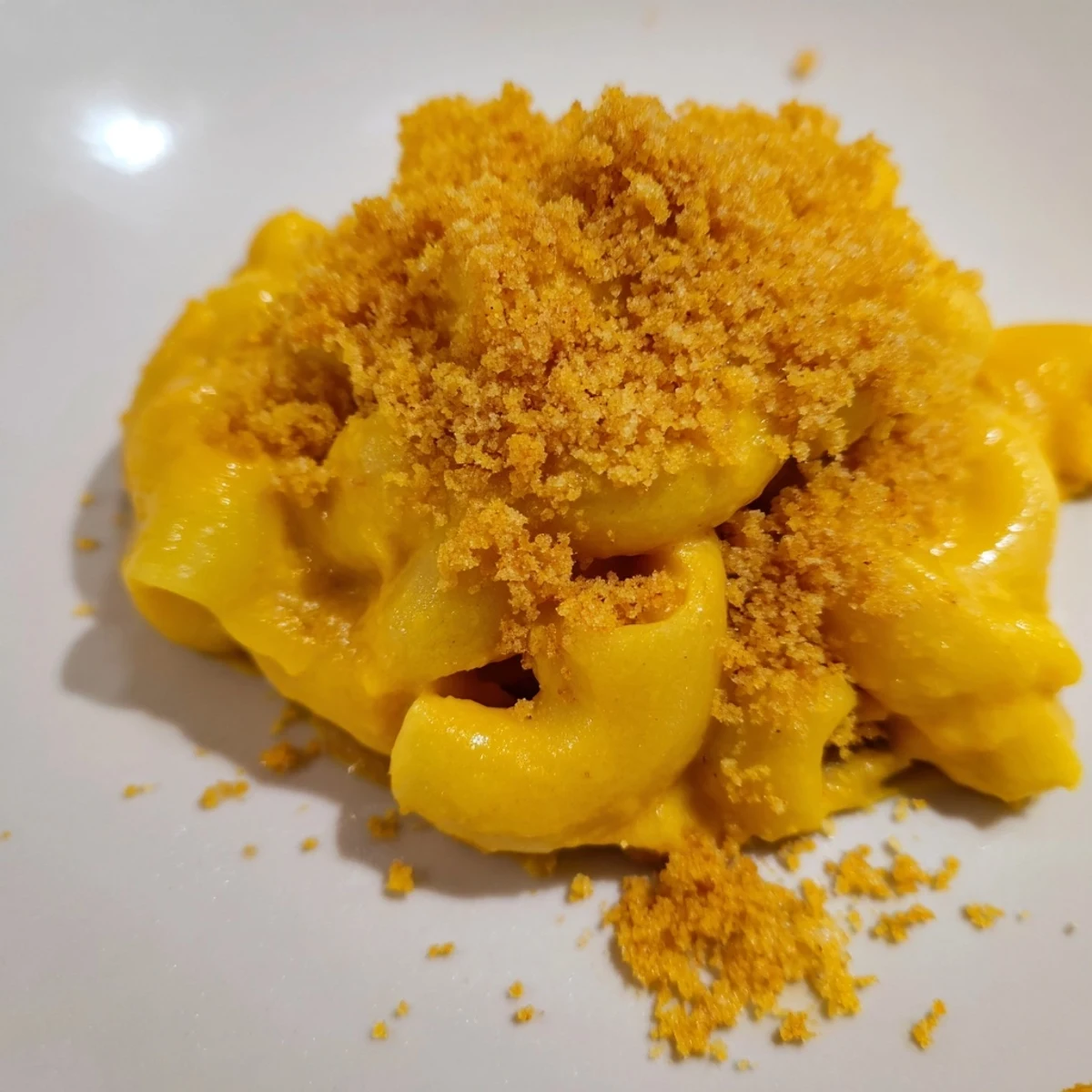
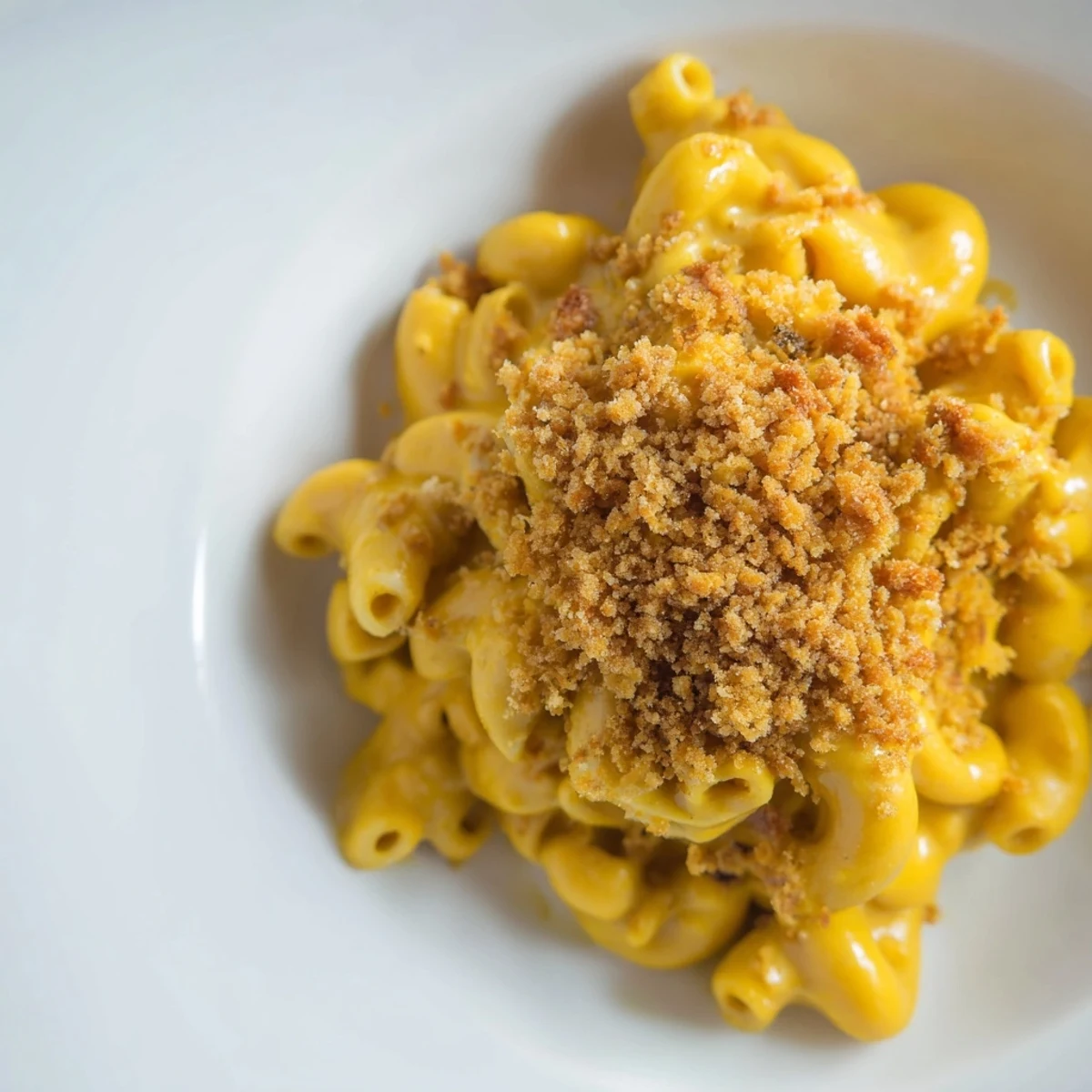
 This comforting dish features roasted butternut squash blended into a smooth, creamy sauce, combined with tender pasta for a satisfying, dairy-free meal. Roasting the squash enhances its natural sweetness and adds depth to the sauce, which includes nutritional yeast and spices for a rich, cheesy flavor. Optional crispy breadcrumbs topping adds texture, making it an inviting dish for any vegan or plant-based menu.
I discovered this recipe on a rainy Tuesday when my roommate mentioned craving mac and cheese but we had nothing in the fridge except a butternut squash that had been sitting there for weeks. Out of necessity and curiosity, I roasted it, blended it into a sauce, and what came out was unexpectedly luxurious—the kind of comfort food that surprised even me with how naturally vegan it felt. That bowl became legendary in our apartment, and now whenever someone visits, they ask for it by name.
I'll never forget serving this to my skeptical uncle at Thanksgiving, the kind of person who'd never eaten anything vegan intentionally. He took a forkful, paused for what felt like forever, then asked for seconds without a word. Watching someone's mind shift about what vegan food could be was worth every minute in the kitchen.
Ingredients
- Butternut Squash: Choose one that feels heavy for its size and has a deep orange color—these hints at sweetness and moisture that will make your sauce naturally creamy without any dairy.
- Plant Milk: Oat milk is my go-to because it froths and blends like it was made for this, though soy gives you extra creaminess if you prefer richness.
- Nutritional Yeast: This is the secret ingredient that gives the sauce its savory, almost cheesy depth—don't skip it or substitute it with anything else.
- Lemon Juice: A small amount keeps the sauce bright and prevents it from feeling one-dimensional, so measure it carefully.
- Smoked Paprika: This adds a subtle smokiness that makes people pause and wonder what that amazing flavor is.
- Olive Oil: Use your good olive oil here since it's a main player in both roasting and the sauce itself.
Instructions
- Prep and Roast Your Vegetables:
- Preheat your oven to 400°F and spread your cubed squash, onion, and garlic on a parchment-lined baking sheet. Toss everything with olive oil until it's glistening, then slide it into the oven for 25 to 30 minutes, watching as the edges start to caramelize and turn golden—this is where the magic happens.
- Cook Your Pasta:
- While the vegetables roast, get your water boiling and cook your pasta according to the package until it's just tender. The pasta will finish cooking slightly when you warm it with the sauce, so don't go past al dente.
- Blend the Sauce:
- Once your roasted vegetables are soft and fragrant, transfer them straight to a blender along with your plant milk, nutritional yeast, olive oil, lemon juice, mustard, paprika, and seasonings. Blend until the mixture transforms into something completely smooth and silky, which should take about a minute.
- Combine and Taste:
- Pour your creamy sauce over the drained pasta in the pot and stir gently to coat every piece. Taste a spoonful and adjust your salt and pepper—this is your moment to make it exactly right.
- Optional Crispy Topping:
- If you want texture, mix breadcrumbs with a tablespoon of olive oil and scatter it over the mac and cheese in an oven-safe dish. Broil for just 2 to 3 minutes until everything is golden and irresistibly crunchy.
 Pin This
 There's something quietly special about setting a big bowl of this in front of people and watching them eat without complaint, without questioning whether anything is missing. Comfort food speaks louder than explanations ever could.
Making It Yours
The beauty of this dish is how adaptable it is once you understand the base. I've added roasted broccoli, spinach, and even crispy chickpeas depending on what I had around and what mood I was in. Some nights I keep it pure and simple, other nights I'm looking for an excuse to throw in vegetables that need using up.
Plant Milk Swaps and Variations
Different plant milks behave in subtle ways—soy gives you the creamiest result and works beautifully if you want a richer sauce, while oat milk is lighter and lets the squash flavor shine through more clearly. If you're nut-free, stick with soy or oat and you'll never notice the difference. I've even used cashew cream when I wanted maximum luxury, though that's getting into the realm of unnecessary indulgence.
Storing and Reheating Like a Pro
This dish actually improves after a day in the fridge as flavors meld together, and it reheats beautifully in a pot with a splash of extra plant milk to loosen the sauce back up. You can also freeze it for up to three months in an airtight container, though I rarely do because it never lasts that long.
- Store leftovers in the fridge for up to four days and add a little plant milk when reheating to restore the creamy texture.
- To make ahead, prepare the sauce the day before and store it separately, then combine with fresh pasta when you're ready to eat.
- The breadcrumb topping loses its crunch after a day, so save that for freshly cooked servings.
 Pin This
 This mac and cheese has become my answer to the question of what vegan food really tastes like, and the answer is: delicious, nourishing, and completely unforgettable. Make it once and you'll understand why.
Recipe FAQs
- → What type of squash is best for this dish?
-
Butternut squash is ideal due to its naturally sweet, creamy texture that blends smoothly into the sauce.
- → Can I use gluten-free pasta?
-
Yes, gluten-free pasta works well and keeps the dish suitable for gluten-sensitive diets.
- → How do I make the sauce creamy without dairy?
-
Using plant milk combined with nutritional yeast and roasted squash creates a rich, creamy consistency without dairy.
- → What spices enhance the flavor in this sauce?
-
Dijon mustard, smoked paprika, and turmeric add depth and warmth, complementing the natural sweetness of the squash.
- → Is the breadcrumb topping necessary?
-
The topping adds a delightful crunch but is optional; the dish remains flavorful without it.