
 Pin This
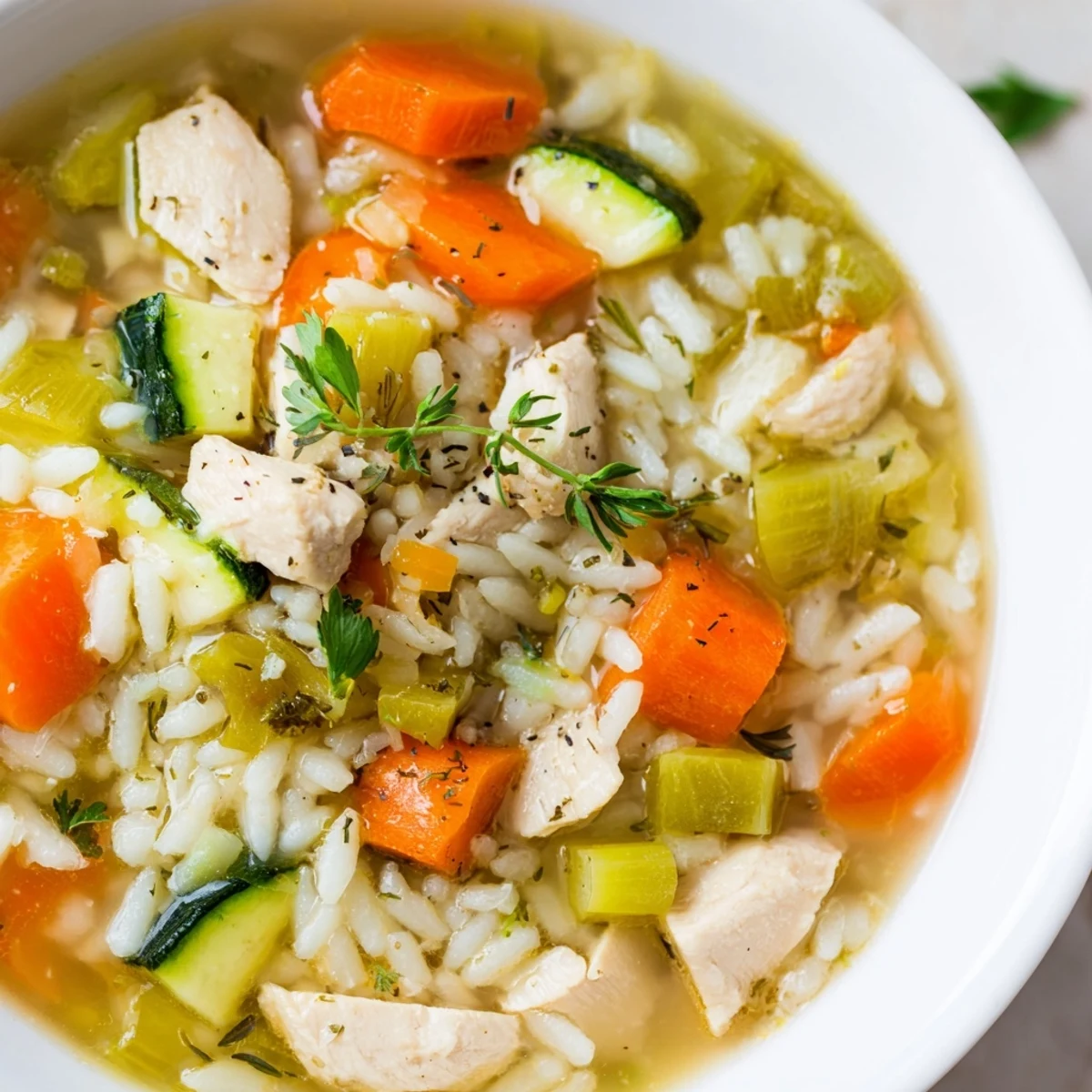
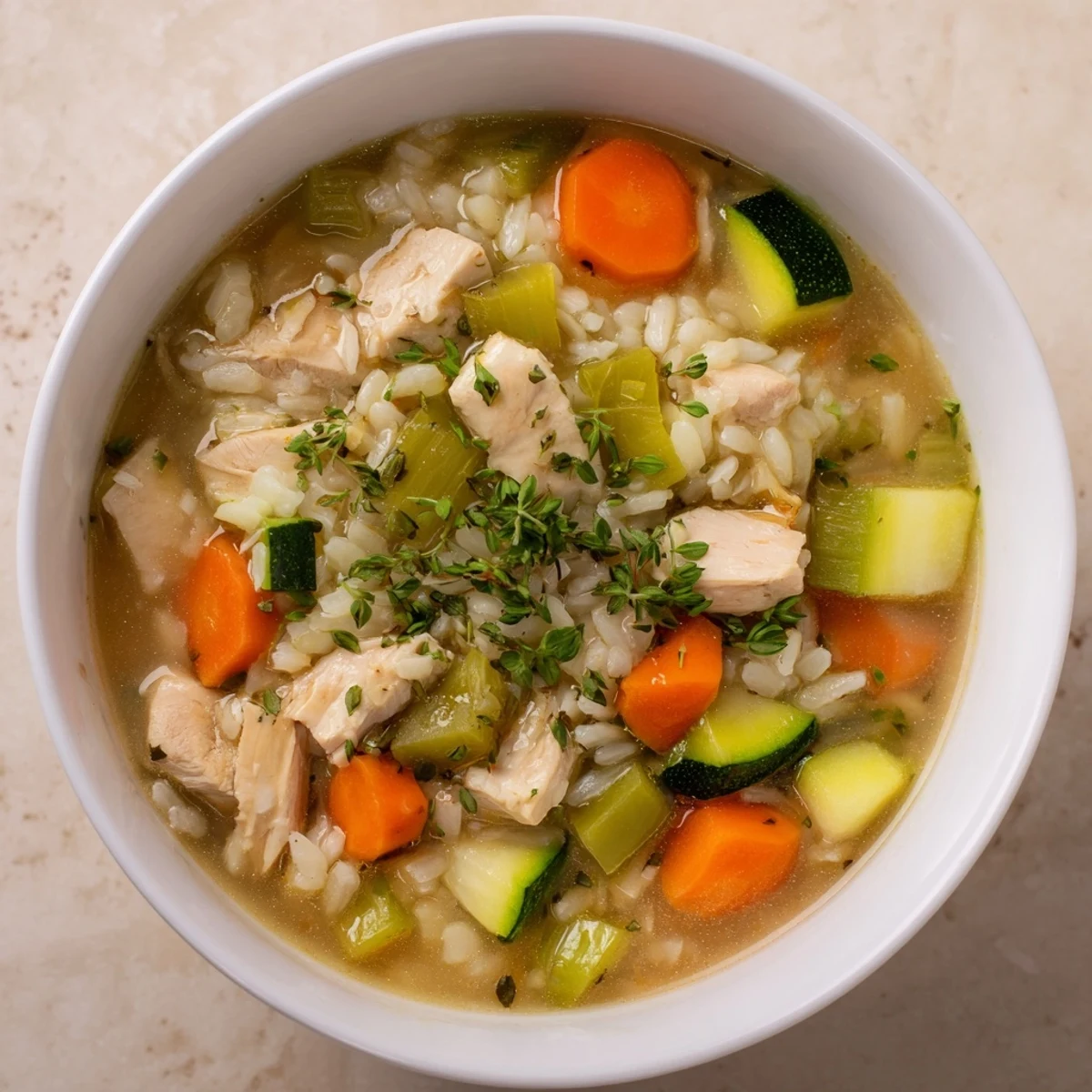
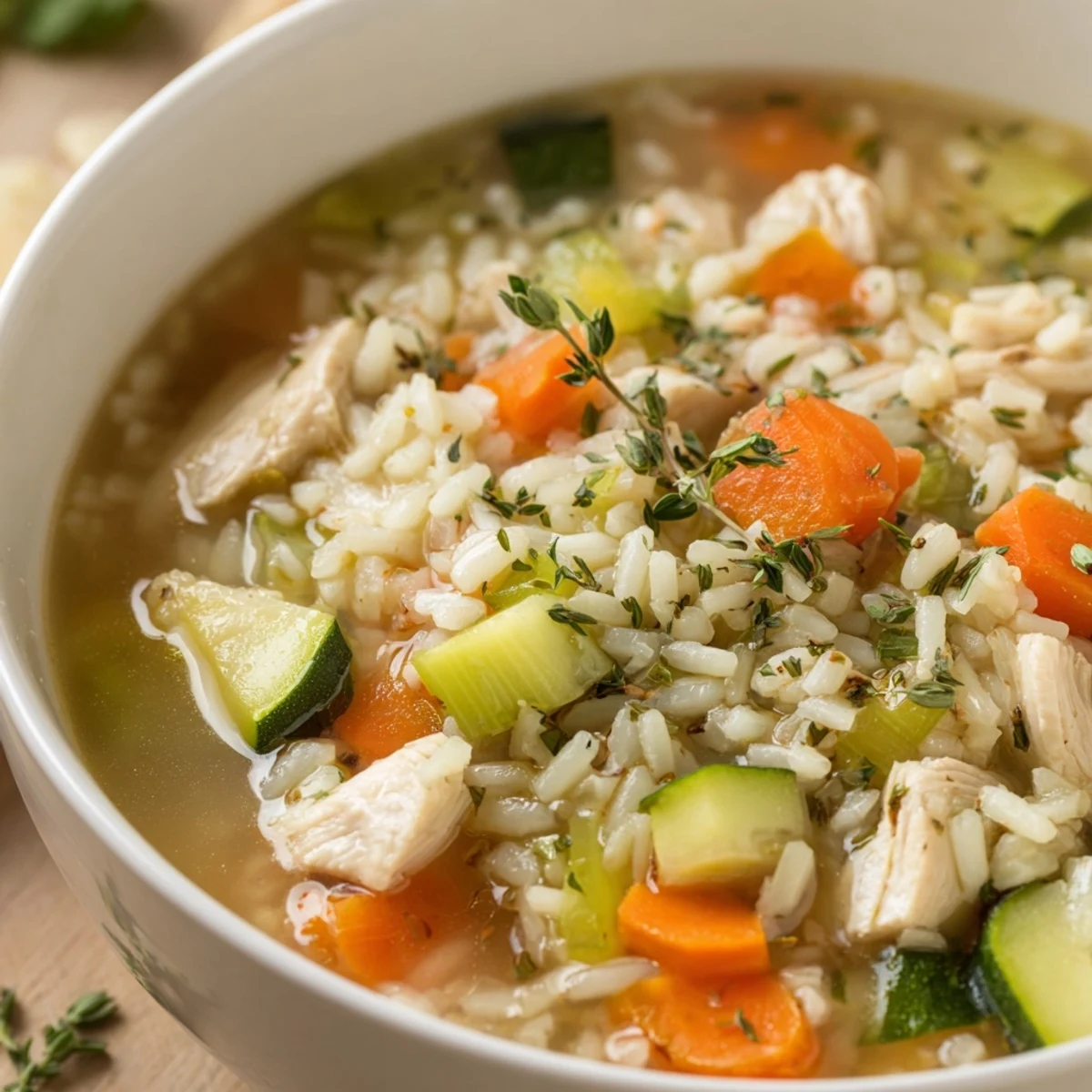
 This comforting dish combines tender chicken pieces with a mix of fresh vegetables and long-grain rice simmered in a savory broth. Carrots, celery, onion, and zucchini add vibrant flavors and textures, while herbs like thyme and parsley enhance the aroma. The method involves sautéing aromatics, browning chicken, then gently simmering all ingredients until tender and flavorful. Perfect for a nourishing, gluten-free main course on cool days.
There's something about soup that pulls you back to simpler times—my neighbor once brought over a pot of chicken and vegetable soup on a gray afternoon when I'd been stuck inside all week, and suddenly the whole kitchen smelled like home again. That's when I realized this wasn't just comfort food; it was a way to turn a handful of ordinary ingredients into something that could change the mood of an entire day. I started making my own version, tinkering with the ratio of vegetables and rice until I found that perfect balance where every spoonful feels substantial yet light. Now it's the first thing I reach for when I want to feed people without overthinking it.
I made this soup for my brother the first time he came back from living abroad, and he sat at my kitchen table eating bowl after bowl without saying much—which meant everything. The way the steam rose from the bowl seemed to unlock memories he'd been carrying around, and I understood then why people describe food as a love language. That afternoon taught me that you don't need complicated techniques or rare ingredients to make something meaningful; you just need to pay attention to what goes into the pot.
Ingredients
- Boneless, skinless chicken breasts: Two medium breasts, diced into bite-sized pieces, cook quickly and stay tender when you don't overcrowd the pot—the key is giving them space so they brown instead of steam.
- Carrots and celery: These form the aromatic foundation; slice them into rounds thin enough to cook through but thick enough to hold their shape in the finished soup.
- Onion and garlic: Start with these two—the sauté that happens in those first few minutes is where all the flavor begins, so take time with this step and let them turn translucent and fragrant.
- Zucchini: Dice this into small cubes so it softens evenly without disappearing into the broth; it adds a subtle sweetness and body without being heavy.
- Frozen peas: These go in near the end so they stay bright green and keep a slight firmness that contrasts with the softer vegetables.
- Long-grain white rice: Rinse it well before adding to remove excess starch, which keeps the broth clear and the rice grains separate rather than mushy.
- Low-sodium chicken broth: Six cups gives you a brothiness without overwhelming the vegetables; you control the salt level, which matters more than you'd think.
- Thyme and bay leaf: These two are the quiet backbone of the flavor—the thyme is dried so it releases slowly into the broth, while the bay leaf sits there like a tiny flavor guardian that you remove before serving.
- Fresh parsley: A couple tablespoons stirred in at the end and extra scattered on top adds a brightness that makes the whole soup taste fresher, even if it's been simmering for a while.
- Olive oil: Just one tablespoon is enough to get a good sauté going without making the soup greasy or heavy.
Instructions
- Build your flavor base:
- Warm the olive oil in a large pot over medium heat, then add your chopped onion and minced garlic. Let them cook for two to three minutes, stirring occasionally—you'll know it's right when the garlic stops smelling sharp and the onion turns translucent and soft.
- Soften the supporting vegetables:
- Add your carrot and celery slices and let them cook for another four to five minutes, stirring every so often. This gives them a head start so they're tender by the time the soup finishes simmering.
- Brown the chicken:
- Stir in your diced chicken pieces and cook for about four minutes, turning them occasionally so they pick up a light golden color. This browning step adds depth that you'd miss if you just dumped raw chicken into broth.
- Assemble the soup:
- Add the zucchini, rinsed rice, chicken broth, water, thyme, bay leaf, salt, and pepper all at once. Stir everything together, then turn the heat up until you see a gentle boil starting to form around the edges.
- Let it simmer low and slow:
- Reduce your heat to low, cover the pot, and let it bubble gently for twenty minutes, giving it a stir every few minutes. The rice will gradually absorb the broth and the chicken will finish cooking through, filling your kitchen with the smell of something wholesome happening.
- Finish with green things:
- Uncover the pot, add the frozen peas and fresh parsley, and let everything cook for five to seven more minutes. The peas will turn a bright green, the rice should be tender but not falling apart, and the chicken should be cooked all the way through.
- Season and serve:
- Fish out the bay leaf with a spoon, taste the soup, and add more salt and pepper if it needs it. Ladle into bowls, scatter extra parsley on top, and serve while it's still steaming.
 Pin This
 The first time I made this soup for someone who was going through a rough patch, they asked for the recipe before they'd even finished eating, which is the highest compliment a cook can receive. That moment reminded me that the best recipes aren't complicated—they're the ones that let good ingredients speak for themselves while making whoever eats them feel taken care of.
Why This Soup Works
This is the kind of soup that respects your time but doesn't taste rushed. The vegetables cook down just enough to be tender, but they don't dissolve or turn into mush, and the rice cooks right in the broth so it picks up all the savory flavor instead of being bland. Most importantly, there's no fancy technique hiding in here—just good timing and paying attention to what's happening in the pot. It's the perfect meal when you want to feed people something they'll actually want to eat and feel good about.
Flavor Variations and Swaps
Once you understand how this soup works, you can pivot it in different directions without losing what makes it good. Try swapping the rice for cooked quinoa or barley if you want a different texture and a slightly nuttier flavor, or use chicken thighs instead of breasts for something richer and more forgiving—they're harder to overcook and the meat is more flavorful, though you'll need to remove the bones and shred the meat before serving. A squeeze of lemon juice stirred in at the very end brightens everything and cuts through the richness in a way that feels like waking up, or you can add a pinch of hot sauce if you want to nudge the soup in a spicier direction.
Making It Your Own
The architecture of this soup is forgiving enough that you can adjust it based on what's in your vegetable drawer or what sounds good to you that day. Swap the zucchini for diced bell peppers, add a handful of spinach or kale at the end, throw in some diced tomatoes if you have them, or double the garlic if that's your inclination.
- This soup tastes even better on day two or three, so make a double batch and you'll have easy lunches waiting in your fridge.
- If your broth seems thin after the rice has cooked, you can simmer it uncovered for a few more minutes, or if it seems too thick, just stir in a bit of water.
- The secret to keeping soup from being boring is tasting it as you go and being willing to adjust the seasonings once it's done cooking.
 Pin This
 This soup is the kind of thing that teaches you something important about cooking if you're paying attention: the best meals don't require showing off. They require care, decent ingredients, and the willingness to let simple flavors do what they're supposed to do.
Recipe FAQs
- → What type of chicken works best for this soup?
-
Boneless, skinless chicken breasts provide tender meat, but bone-in thighs can add richer flavor if shredded before serving.
- → Can I substitute the rice with another grain?
-
Yes, cooked quinoa or barley can be used as alternatives for different textures and tastes.
- → How do I enhance the flavor of the broth?
-
Using low-sodium chicken broth with added thyme, bay leaf, and fresh parsley helps build depth and aroma.
- → When should I add frozen peas to the soup?
-
Frozen peas are stirred in during the last 5 to 7 minutes of simmering to retain their color and slight crunch.
- → What cooking equipment is needed?
-
A large pot for simmering, a wooden spoon for stirring, and a ladle for serving are essential tools.