
 Pin This
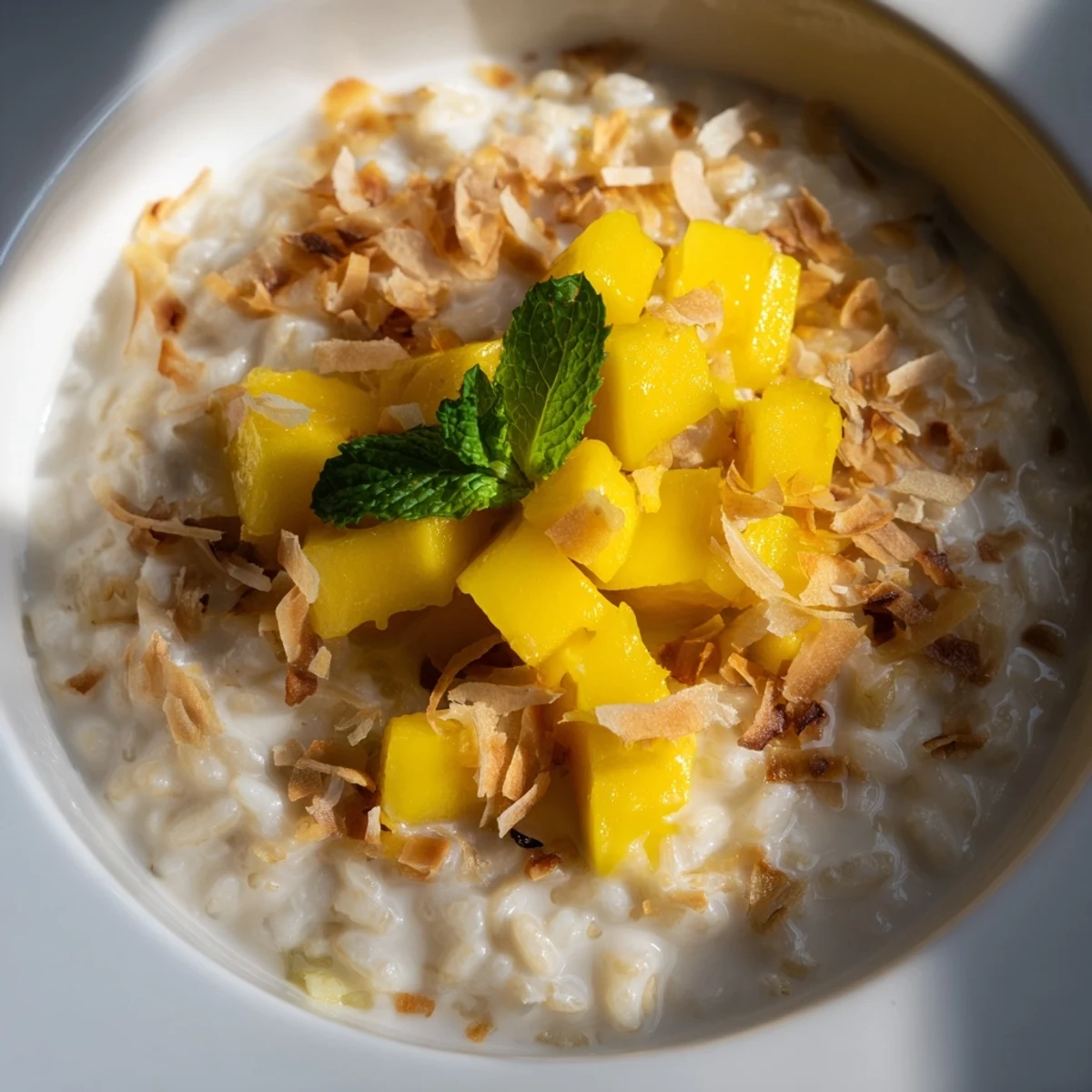
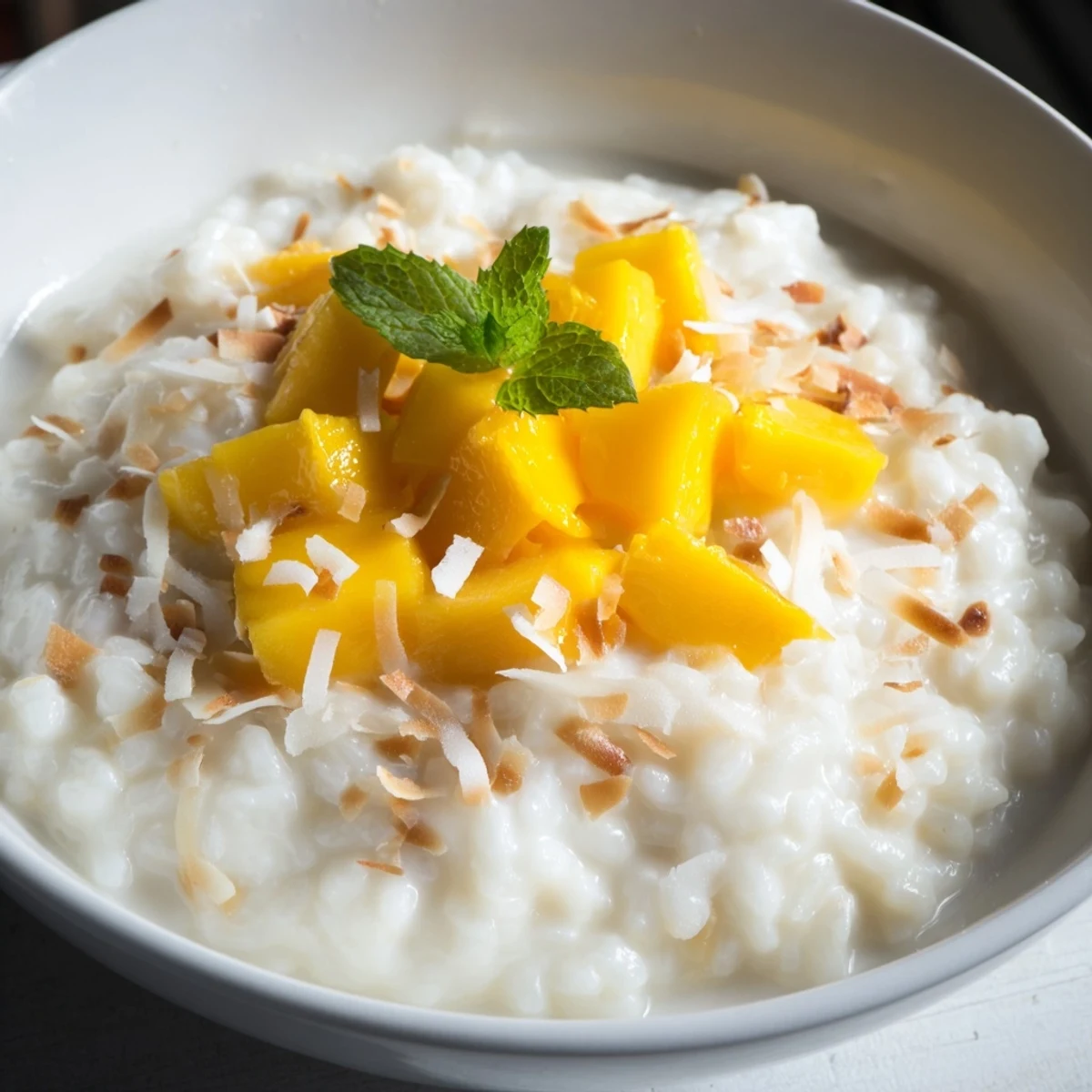
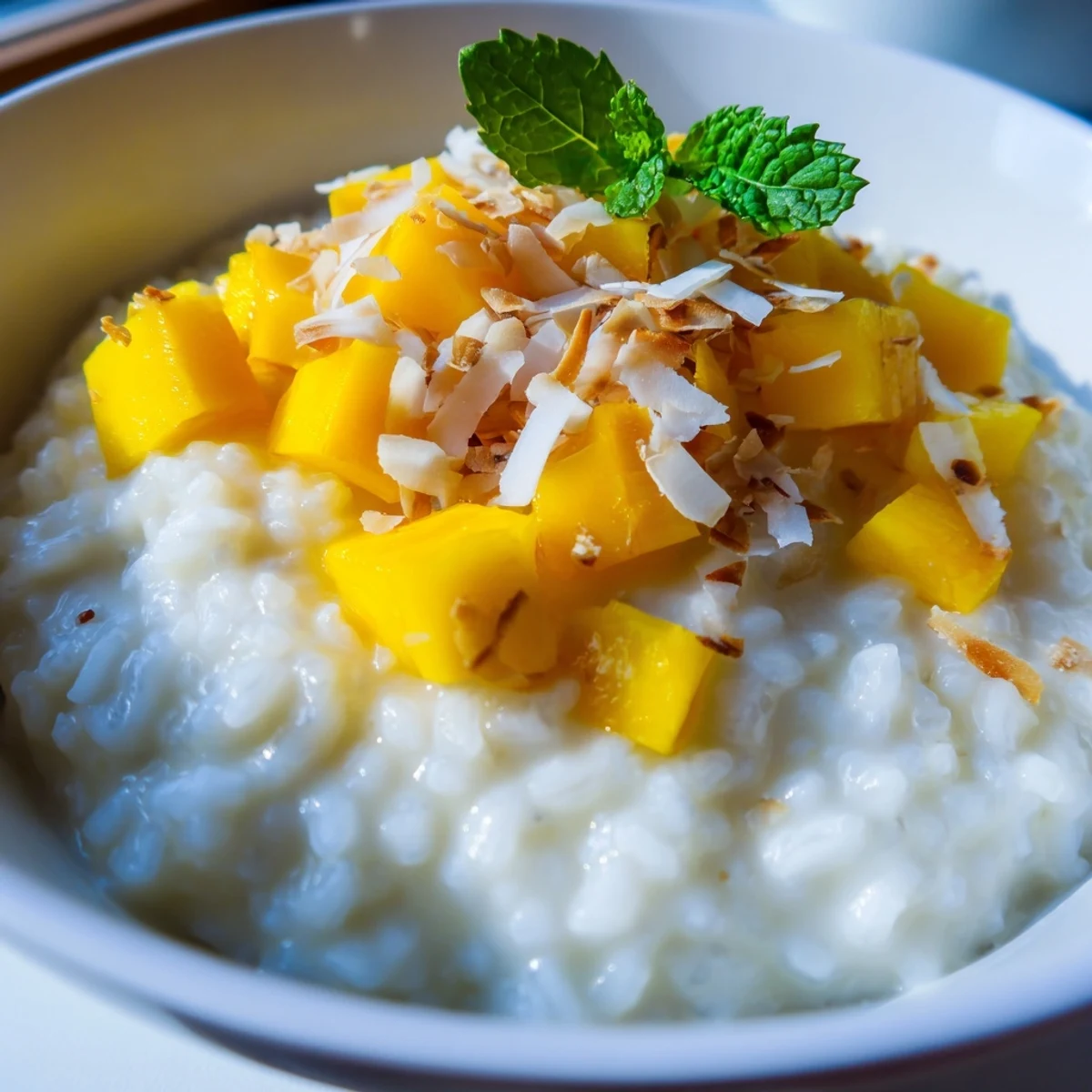
 This luscious dish combines creamy coconut and tender rice cooked gently to a smooth texture. Infused with vanilla and balanced by a hint of sweetness, it’s topped with fresh diced mango that adds bright, juicy notes. Optional toasted coconut flakes and mint leaves introduce delicate aromas and texture, making every bite refreshing and satisfying. Easy to prepare and versatile, it can be served warm or chilled, offering a tropical escape in every spoonful.
I discovered this recipe on a particularly hot afternoon when a friend brought over a gorgeous mango from her garden, and I had a can of coconut milk sitting in my pantry looking for purpose. The combination felt obvious in theory but turned out to be genuinely magical—creamy, tropical, and unexpectedly comforting despite the heat outside. That first spoonful, with warm coconut rice meeting cool, sweet mango, convinced me this was going to be a regular in my kitchen.
I made this for a dinner party once and watched people's faces light up when they took that first bite—there's something about tropical flavors that instantly makes people feel transported. My brother, who usually skips dessert, went back for seconds and asked if I'd remembered to add the vanilla because he swore it tasted like a fancy resort version of what I usually make. That moment sold me on keeping this recipe close.
Ingredients
- Arborio rice: Short-grain rice naturally releases starch as it cooks, which creates that signature creamy texture without needing cream.
- Coconut milk (full fat): Don't reach for light coconut milk here; the richness is essential to the whole experience.
- Whole milk: This balances the intensity of the coconut and keeps the pudding from becoming overly heavy.
- Granulated sugar: Start with the quarter cup and taste as you go—your mangoes might be sweeter than expected.
- Salt: Just a pinch, but it matters; it wakes up all the other flavors.
- Vanilla extract: Use pure vanilla, not imitation; the difference is noticeable when everything else is this simple.
- Mangoes: Ripe is non-negotiable here—you want them fragrant and yielding slightly to pressure.
- Toasted coconut flakes: These add textural contrast and a subtle nuttiness that feels intentional.
- Fresh mint: A small handful is enough to brighten the whole bowl without overwhelming anything.
Instructions
- Rinse your rice with intention:
- Run the Arborio under cold water, stirring gently with your fingers until the water goes from cloudy to clear. This removes excess starch and prevents the pudding from becoming gluey.
- Build your pudding base:
- Combine the rinsed rice, coconut milk, whole milk, sugar, and salt in a medium saucepan. The liquid should look generous around the rice; this is what becomes your creamy sauce.
- Find that gentle simmer:
- Turn the heat to medium and let it warm gradually, stirring now and then. You're aiming for small, lazy bubbles breaking the surface, not a rolling boil.
- Tend to your pudding patiently:
- Lower the heat to low and partially cover the saucepan—just rest the lid on top without sealing it. Stir frequently over the next 30 to 35 minutes, scraping the bottom and edges where grains like to stick. You'll watch it transform from soupy to creamy and thick, and that's the magic happening.
- Add the vanilla finishing touch:
- When the rice is tender and the pudding coats the back of a spoon, remove it from heat and stir in the vanilla. The warmth will release the vanilla's fragrance in a way that feels ceremonial.
- Let it rest and thicken:
- Give the pudding 5 to 10 minutes off the heat to continue thickening as it cools slightly. This also gives the flavors a moment to settle and deepen.
- Compose your bowls:
- Divide the pudding into serving bowls while it's still warm, then crown each portion with diced mango, a scatter of toasted coconut flakes, and a few mint leaves if you're using them. Serve it warm to let the heat intensify the coconut flavor, or chill it for a lighter summer version.
 Pin This
 There's a particular comfort in serving someone a warm bowl of this pudding and watching them pause mid-conversation, completely absorbed in the flavor. It's become my go-to when I want to feel like I've done something special without spending hours in the kitchen.
Timing Matters
The entire process takes less than an hour, but don't let that fool you into thinking it's rushed. The slow, attentive cooking is actually what gives you the creaminess—you can't skip ahead on this one. I learned that when I tried to speed things up on high heat once and ended up with grainy, separated pudding that no amount of extra vanilla could rescue.
Mango Selection and Ripeness
A truly ripe mango is soft enough to yield slightly when you hold it gently, and it should smell floral and sweet at the stem end. Underripe mangoes will taste starchy and disappoint against the creamy pudding. I've learned to buy them a day or two ahead if they're not quite ready, then let them sit on the counter where they'll finish ripening. The warm pudding actually brings out the mango's sweetness in a way that cold desserts don't, so the ripeness of your fruit really shows.
Make It Your Own
This recipe is a foundation, not a rule book, and it welcomes adaptation gracefully. I've made it with cardamom stirred into the pudding, with a drizzle of passion fruit coulis, and even with toasted almonds when I ran out of coconut flakes. The beauty is in the coconut-rice core staying consistent while you play with what goes on top.
- For dairy-free versions, swap the whole milk for oat or almond milk and use full-fat coconut milk exclusively.
- A tablespoon of coconut cream stirred in just before serving bumps the richness up noticeably if you want maximum indulgence.
- If your mangoes are particularly sweet, you might want to reduce the sugar to three tablespoons and taste before deciding.
 Pin This
 This pudding has quietly become my answer to nearly every occasion—when I want to impress without stress, when someone's having a rough day, when I need dessert to feel like more than just dessert. It's one of those recipes that reminds me why I love cooking in the first place.
Recipe FAQs
- → What rice is best for this dish?
-
Short-grain rice, such as Arborio, works best as it becomes tender and creamy when cooked, creating the perfect texture.
- → Can I use other types of milk?
-
Yes, plant-based milks like almond or oat can replace whole milk for a dairy-free option, though texture may vary slightly.
- → How long should I cook the rice mixture?
-
Simmer gently for about 30–35 minutes, stirring frequently until the rice is tender and the mixture is creamy.
- → What does adding vanilla extract do?
-
Vanilla adds a warm, sweet aroma that enhances the natural flavors of the coconut and mango.
- → Can I prepare this dish ahead of time?
-
Yes, it can be enjoyed warm or chilled. Refrigerate leftovers and reheat gently if desired.