
 Pin This
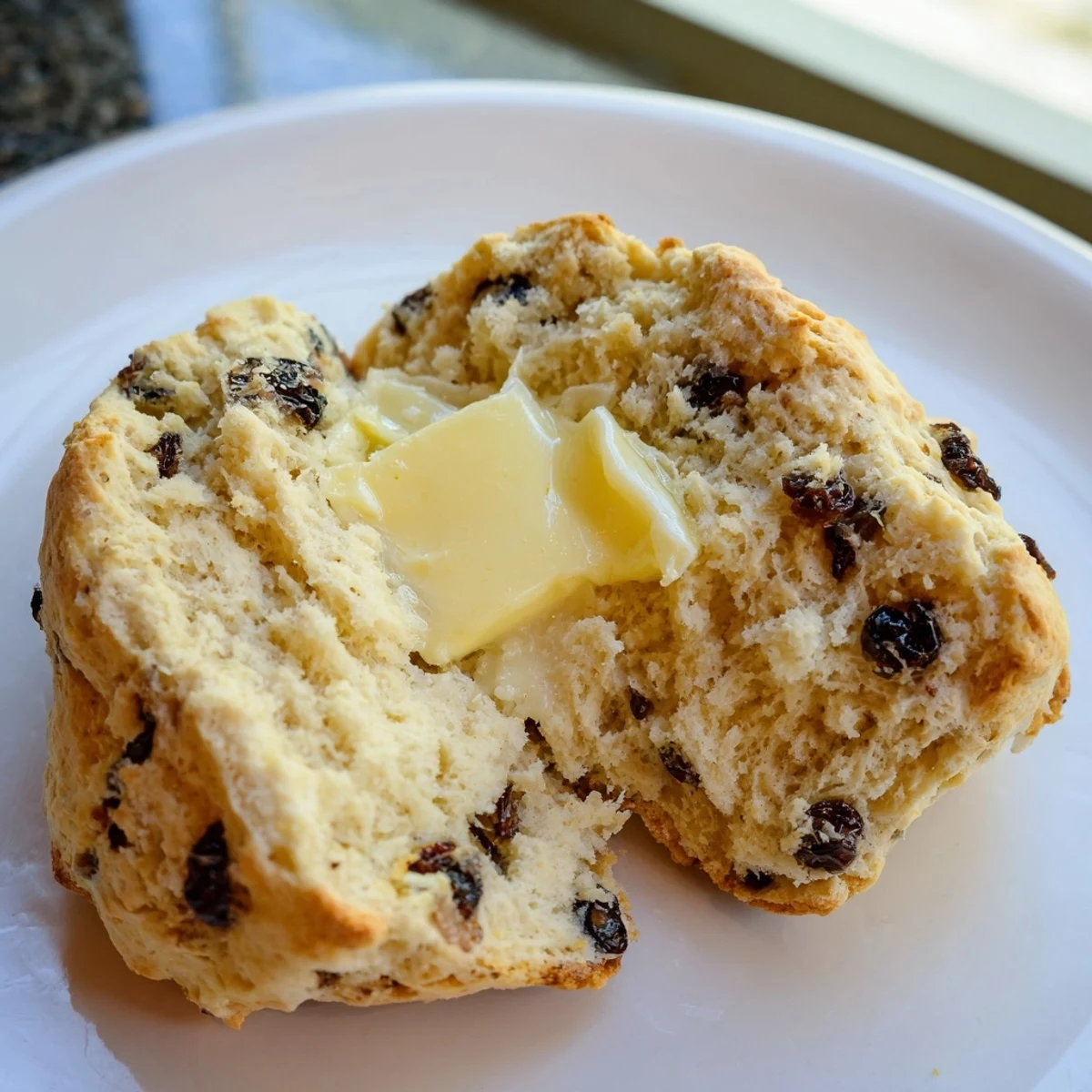
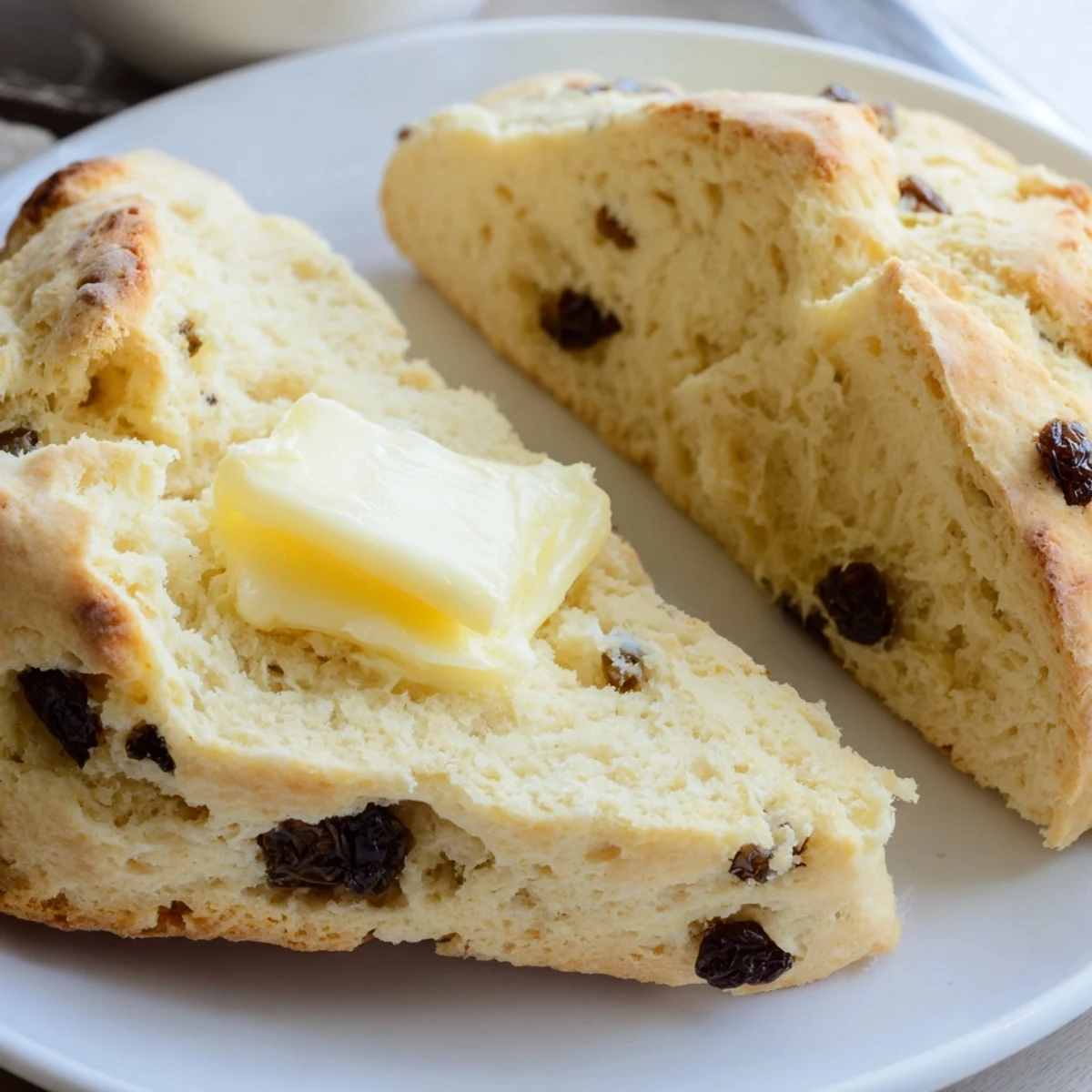
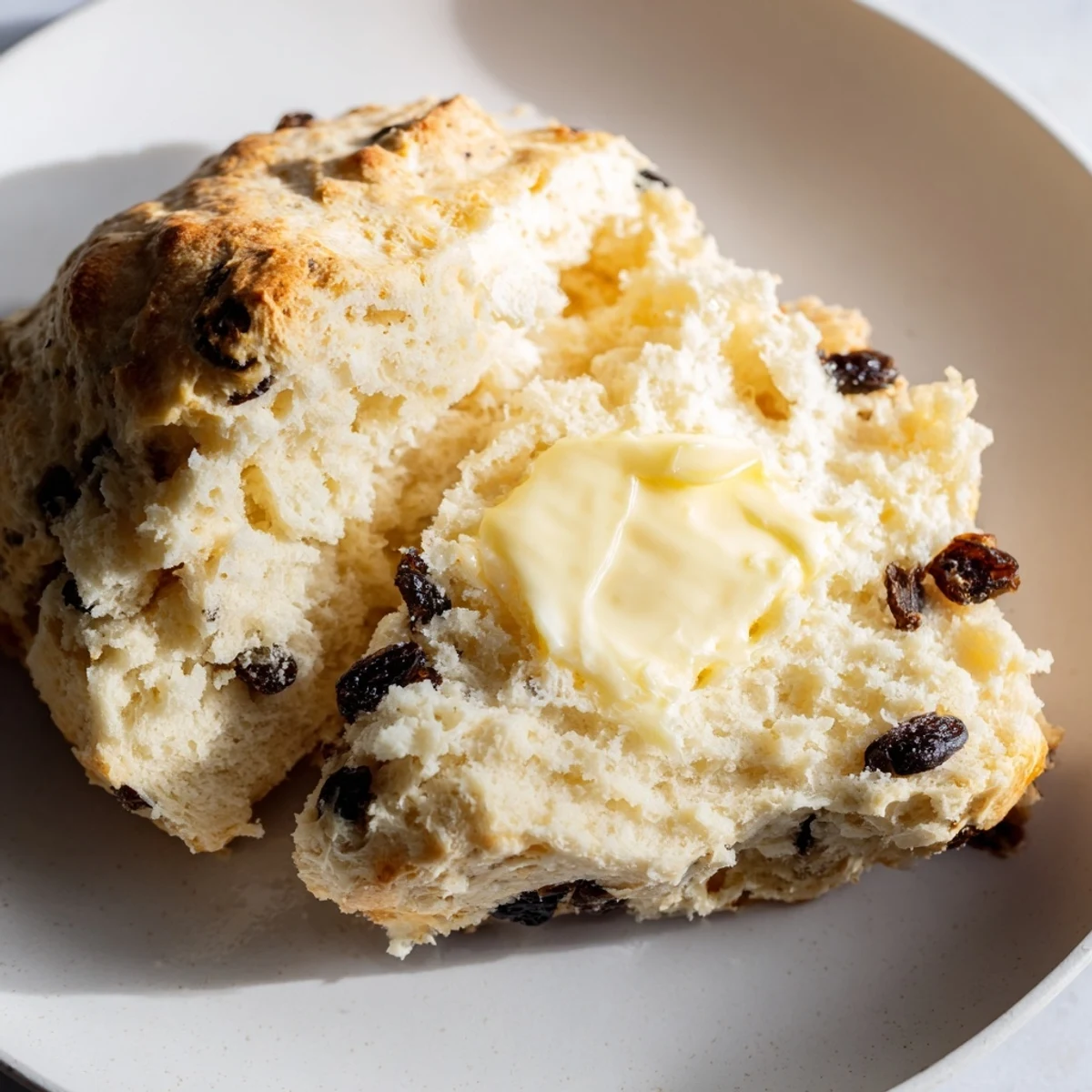
 These tender scones draw inspiration from traditional Irish soda bread, offering a golden, crisp crust paired with a soft, delicate crumb. Made with a blend of all-purpose and whole wheat flours, baking soda, and a touch of sugar, currants add subtle sweetness. The dough requires gentle mixing and is shaped with a round cutter before baking to a perfect golden-brown. Served warm with softened butter, they make a delightful breakfast or snack.
The first time I made these, my tiny apartment smelled like a bakery in County Cork. I had just moved into a place with an actual oven, and my neighbor across the hall knocked on my door to investigate. We ended up splitting warm scones right there on the floor, since I hadn't bought furniture yet.
Last winter, during that week when everything was closed and time felt strange, I made three batches back to back. Each morning, I'd wrap two still-warm scones in foil and walk them over to my parents' house. We'd eat them on their back porch watching the snow, and something about that simple ritual made everything feel okay.
Ingredients
- 2 cups all-purpose flour: The backbone of the dough, providing structure and that classic scone texture
- 1/2 cup whole wheat flour: Adds subtle nuttiness and heartiness without making these feel like health food
- 1/4 cup granulated sugar: Just enough to hint at sweetness without competing with the butter
- 1 teaspoon baking soda: Works with the buttermilk for that signature quick-rise action
- 1 teaspoon baking powder: Ensures consistent lift for tender, airy results
- 1/2 teaspoon salt: Balances sweetness and wakes up all the flavors
- 1/2 cup currants or raisins: Little pockets of tart sweetness throughout each bite
- 1 cup buttermilk, cold: Creates tenderness and reacts with baking soda for rise
- 1 large egg: Adds richness and helps bind everything together
- 4 tablespoons unsalted butter, melted: Brings flavor and moisture to every crumb
- 4 tablespoons unsalted butter, softened: For spreading while they're still warm, which is non-negotiable
Instructions
- Get your oven ready:
- Preheat to 400°F (200°C) and line a baking sheet with parchment paper
- Whisk the dry ingredients:
- In a large bowl, combine both flours, sugar, baking soda, baking powder, and salt until well blended
- Add the fruit:
- Fold in currants or raisins if you're using them, distributing evenly
- Mix the wet ingredients:
- In a separate bowl, whisk together cold buttermilk, egg, and melted butter until combined
- Bring it together:
- Pour wet ingredients into dry and stir with a fork just until combined
- Shape the dough:
- Turn onto a floured surface and gently pat into a 1-inch thick circle
- Cut them out:
- Use a floured 2.5-inch round cutter to cut scones and place on the prepared baking sheet
- Bake to golden:
- Bake for 18-20 minutes until golden brown and a toothpick comes out clean
- Warm and buttered:
- Transfer to a wire rack, split while warm, and slather with softened butter
 Pin This
 My grandmother used to say that soda bread was about making something from nothing, but these scones feel like making something special from almost nothing. That morning with my parents, watching steam rise into the cold air, I understood what she meant about simple food being the best kind.
Making Them Your Own
I've tried swapping dried cranberries during fall, and they become entirely different but equally wonderful. Chopped dried apricots work beautifully too, bringing a bright tartness that cuts through the butter. The base recipe is forgiving enough that you can experiment without fear.
The Buttermilk Secret
Real buttermilk makes a difference you can taste. If you only have regular milk, add a tablespoon of vinegar and let it sit for five minutes. That acidity is what activates the baking soda and creates those tender, pillowy layers we're after.
Storing and Freezing
These are absolutely best the day they're made, preferably within an hour of coming out of the oven. That said, life happens and sometimes you need to plan ahead. Freeze baked scones in an airtight bag for up to a month, then reheat at 350°F for about 8 minutes.
- Brush with extra buttermilk before baking for a deeper golden crust
- Freeze unbaked scones on a tray, then transfer to bags for fresh-baked anytime
- Wrap cooled scones in foil and reheat at 300°F to refresh
 Pin This
 There's something deeply satisfying about turning simple ingredients into something that makes people pause and smile. Maybe that's why I keep coming back to this recipe, year after year.
Recipe FAQs
- → What makes these scones similar to Irish soda bread?
-
The use of baking soda and buttermilk creates a tender crumb and distinct flavor reminiscent of traditional Irish soda bread.
- → Can I substitute currants with other dried fruits?
-
Yes, dried cranberries or chopped apricots work well as flavorful alternatives to currants.
- → How should I mix the dough for best results?
-
Mix the wet and dry ingredients gently and briefly to avoid overworking, which keeps the scones tender.
- → Is it necessary to use a round cutter?
-
A round cutter helps achieve uniform shapes and even baking, but you can shape by hand if preferred.
- → What is the ideal baking temperature and time?
-
Bake at 400°F (200°C) for 18–20 minutes until the scones are golden and a toothpick comes out clean.